
Introduction
Have you ever watched a production line stop and felt that tight, sinking pause in your chest?
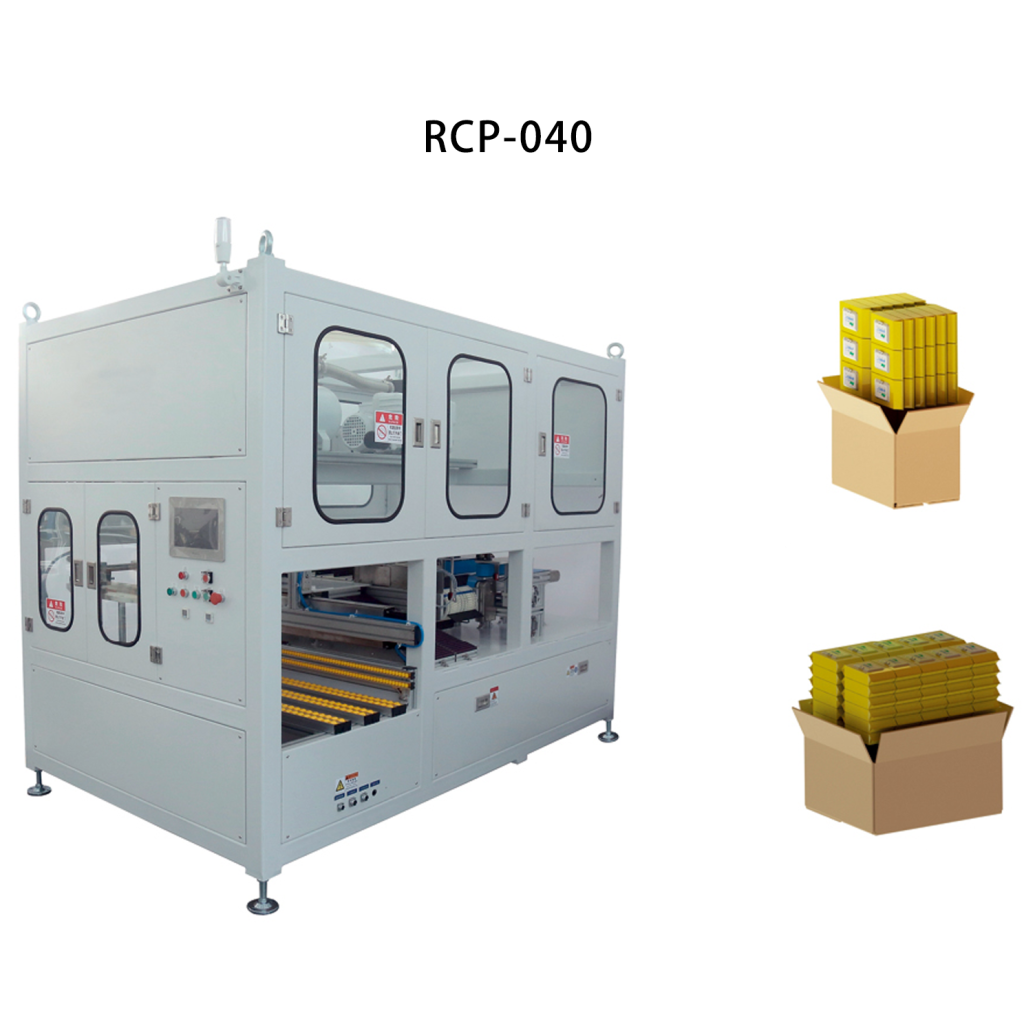
I was on a shift when a small sensor fault froze an entire wet tissue machine, and we lost nearly two hours of output (that kind of hit hurts). Recent plant reports show unplanned downtime can eat up 5–10% of monthly capacity at small to mid-size sites. So, how do we reduce these interruptions without breaking the bank?
I’ll take a cautious, technical view here—think firmware hygiene, minimal attack surfaces, and routine checks—while keeping it practical. I want to share concrete moves you can start applying today to protect throughput and product quality. Next, let’s look under the hood at where traditional fixes fail and why operators still lose sleep over flushable wet wipes runs.
Why Traditional Fixes Miss the Mark (and What Operators Really Feel)
flushable wet wipes production sounds simple: load rolls, feed, wet, cut, package. But I’ve seen teams patch problems with tape-and-prayer methods that only delay a repeat failure. Directly: many legacy approaches treat symptoms, not causes.
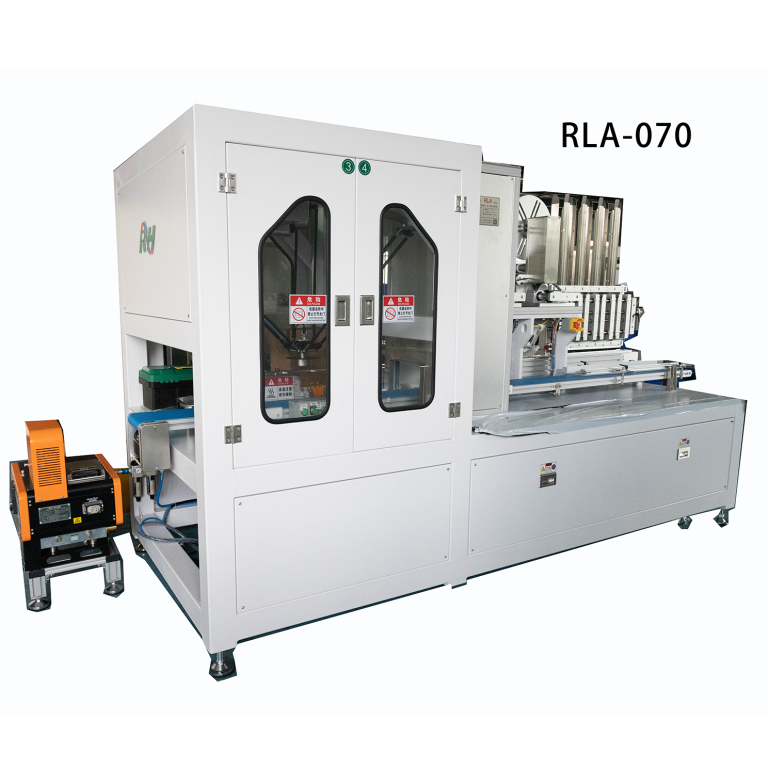
Most shops rely on scheduled maintenance and spare parts bins. That works—until it doesn’t. Common flaws: undocumented PLC changes, worn embossing rollers that alter moisture pickup, and mismatched servo motors that create tension spikes. Add inconsistent batch recipes and you get variable product feel. Look, it’s simpler than you think—these are fixable issues, but only when you admit they are system problems, not one-off annoyances.
So what are operators missing?
I’ll be blunt. They miss the feedback loops. Sensors age. Power converters introduce noise. Edge computing nodes are rarely used to spot trends early. When you wait for visible failure, you pay in scrap and downtime. We need better telemetry and a culture that treats data as part of the machine, not an afterthought — funny how that works, right?
New Technology Principles to Future-Proof Your Line
Let’s move forward with some practical engineering ideas I trust. New principles I recommend include predictive maintenance driven by simple anomaly detection, tighter integration between HMI and PLC, and modular servo motor units for quick swaps. If you pair those with consistent recipes for flushable wet wipes, quality stabilizes fast.
Start with a non-intrusive data layer. Use small edge computing nodes to capture vibration and current signatures. Then, run basic analytics to spot drift before it becomes a meltdown. I like systems that flag issues in plain language. Operators should see “tension drift on unwind—inspect bearing” rather than a cryptic code. This reduces frantic guessing and lowers mean time to repair. Also, test standardized spare kits: one servo motor type, one set of embossing rollers, a compatible rotary die cutter spec. It simplifies logistics and calms the team.
What’s Next?
Compare a line with basic telemetry to one without: the difference is measurable. Fewer line stops, more consistent feel for the wipe, and simpler audits. I’d advise piloting one cell first, then scaling. We did this once—small win, big morale boost. — I still remember the relief on the floor that day.
Three Metrics I Use to Judge Upgrades
When evaluating tools or suppliers, I focus on three concrete measures. These are not marketing fluff—they tell you if a change will stick.
1) Downtime reduction percentage within 90 days. If a solution doesn’t move this needle, it’s cosmetic. 2) Mean time to repair (MTTR) improvement. Shorter repairs mean less stress and lower overtime. 3) Consistency index for product moisture and sheet integrity across 10 consecutive batches. That directly ties to customer complaints.
I prefer vendors who commit to these metrics up front. We negotiate service windows and spare policies based on them. It keeps everyone honest. Also, remember to ask about compatibility with your PLCs and control architecture—small mismatch costs big time. We looked for that answer every time we upgraded power converters or added a new control panel. In the end, choose tools that let you act fast, not just look good on paper.
To wrap up: I believe steady, data-driven improvements beat dramatic one-off fixes. Implement basic telemetry, standardize spares, and set clear metrics. You’ll protect throughput and the feel of your wipes. If you need a place to start testing these ideas, I recommend reviewing trusted suppliers and real-world case studies—then pick one cell to prove the concept.
For tried-and-true equipment and support, check out ZLINK. I’ve worked with teams who found practical, low-risk gains there, and I’d say it’s worth a look.

