
Introduction — a quick lab tale, some numbers, and the question
Yo—picture this: we set up a study, lights low, cameras rolling, and a single misread stride wrecks the whole dataset. I’m talking about rat gait analysis here, where one missed cue can skew weeks of work. In a run I did last year, small calibration drift created a 25% variance in stride length across groups (yeah, real data — messy as a studio session). So what happens when labs shrug and say, “We’ll clean it up later”? Do we just trust averages and hope the signals are real, or do we dig in and fix the root cause? That’s the question I keep bumping into, and it matters — big time. Let’s break down why ignoring this stuff is expensive and what to watch next.
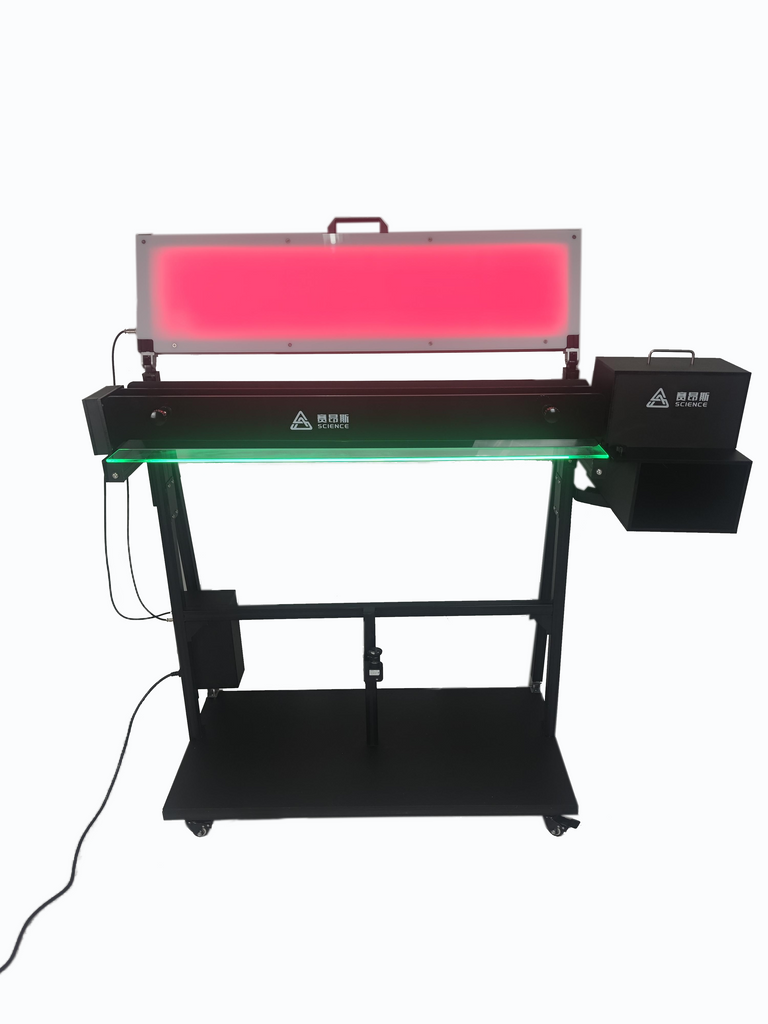
Why old methods fall short: technical flaws in traditional setups
Why do classic approaches keep tripping us up?
I’ve reviewed a lot of setups, and I’ll be frank: many pipelines were built around convenience, not accuracy. When teams rely on manual scoring or low-frame-rate cameras, subtle kinematic parameters get lost. If you’re curious, check out gait analysis rodents systems that centralize data capture — but the point is this: older workflows often mix human bias, sparse sampling, and poor synchronization. The result? Misidentified stance phase, jittery stride length calculations, and noisy center-of-pressure traces. I’ve seen pressure mat outputs that look fine on the surface yet fail to match force plate readouts. That mismatch isn’t minor — it shifts conclusions and wastes animal time.
Technically, the failure modes are predictable. Low temporal resolution yields aliasing in gait cycles. Poor lighting or lens blur breaks motion capture tracking. And manual annotation introduces inter-rater variability that can dwarf true experimental effects. Look, it’s simpler than you think: upgrade the sensor fidelity, tighten syncing across high-speed camera and force plate, and standardize calibration. I’m not saying fix everything overnight — but prioritize the bottlenecks that inject the biggest error. — funny how that works, right?
New principles and where we go from here
What’s next for reliable rodent gait data?
Now let’s shift to a forward-looking stance. We need fresh principles: distributed data capture, automated feature extraction, and robust calibration. When I map this out, I want systems that minimize human touchpoints and maximize repeatability. Modern setups for gait analysis rodents move toward synchronized high-speed camera arrays, force plate integration, and real-time preprocessing at the edge — so you catch noisy frames before they poison the dataset. That combination of motion capture, pressure mat feedback, and automated stride segmentation reduces manual load and boosts trust in the numbers.
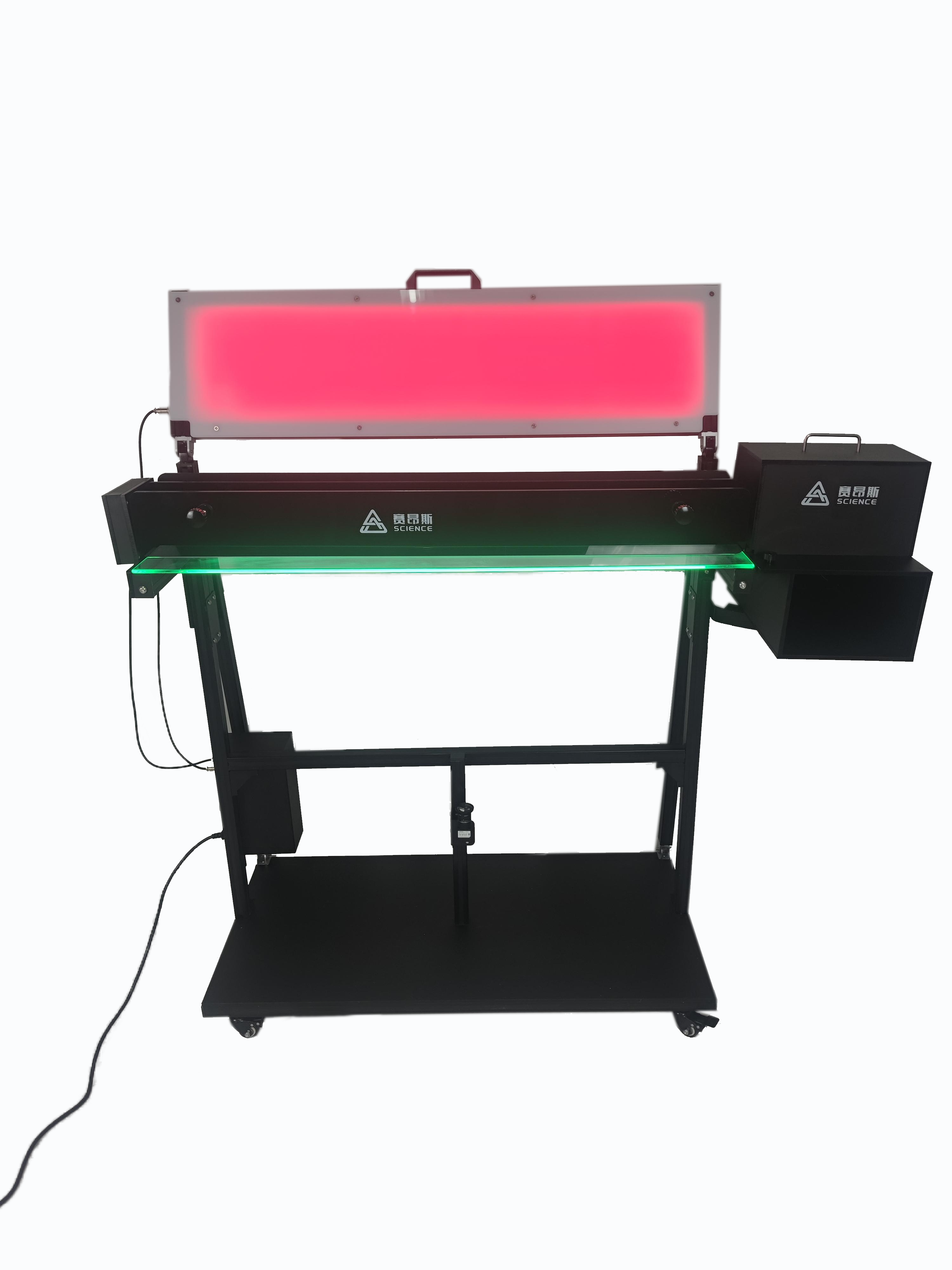
In practice, that looks like automated pipelines that flag outliers, continuous calibration checks, and clear metadata logging. We should measure latency, sampling fidelity, and annotation agreement, then iterate. I’ve recommended this approach to teams and watched reproducibility climb. The future isn’t just fancier toys; it’s smarter workflows that respect the animal, the science, and the clock — and yes, the budget. — unexpected wins happen when you tighten the basics.
How to pick the right system — three metrics I use
Before you buy or rebuild, here are three simple evaluation metrics I always use: 1) Sampling fidelity — does the camera + force plate combo capture the full gait cycle without aliasing? (Check frame rate and force sampling). 2) Synchronization accuracy — are timestamps aligned across devices so stance and swing phases match the force traces? 3) Usability score — how much manual correction does the pipeline demand per session? Lower is better. These metrics helped my lab cut re-runs in half.
I’ll be honest: choosing gear is part science, part gut. I prefer solutions that balance hardware quality with clean software — that means reliable motion capture, tight force plate integration, and clear outputs you can trust. If you want a tidy place to start, check systems that centralize those pieces and document results. We’ve come a long way, and with the right metrics you avoid the worst surprises. For tools and systems I trust in the field, see BPLabLine.

