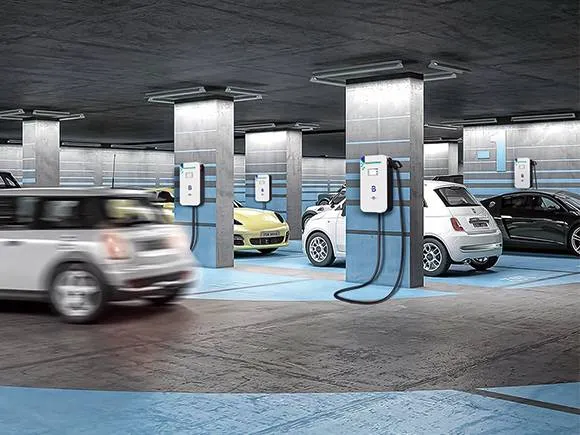
Why Apartment Charging Plans Stall
Most apartment charging projects stumble before the first cable is run. Choosing an EV charger solution sounds simple, but shared buildings change the rules. Picture a small complex: five EV drivers, one aging panel, evening peaks, and cars that each can draw 7–11 kW. Many managers search for EV charging solutions for apartments, then hit the same wall—capacity, fairness, and cost. Add a contractor who sizes hardware for worst-case load, and you get sticker shock. Without dynamic load management and smart power converters, a “few” ports can look like a full electrical overhaul. The scenario is common, the data is blunt, and the question is obvious: how do we share limited power without turning nightly charging into a fight?

Where does it really break?
Hidden pain points, not only hardware. Residents want clear queues, predictable costs, and no app chaos. Boards want one bill, not disputes. Property teams want simple ops. Yet many plans assume every car charges at once, ignore submetering, or bolt on an OCPP app without role-based access and easy refunds. Look, it’s simpler than you think—if the plan starts with behavior, not amps. Start by mapping evening dwell time, set charging windows, and use load balancing that respects a few house rules (guest spots, priority for low battery, quiet hours). When people see fair rules and simple steps, usage rises and complaints drop. And the best part: less capacity can serve more drivers when the schedule works with the panel, not against it.
Comparing Today and Tomorrow: Smarter Paths for Shared Parking
What’s Next
Old plans wire fixed circuits and hope for the best. New plans use principles that adapt in real time. Edge computing nodes at the meter track feeder load each second, then schedule charge rates across ports. Forecasting smooths the evening spike with soft starts and staged ramps—funny how that works, right? ISO 15118 helps future “plug & charge” IDs, while demand response nudges charging a few minutes to earn credits. The same playbook that powers workplace EV smart charge solutions works in apartments too, but with a twist: longer dwell times mean slower, steadier sessions. That reduces stress on equipment and keeps tenants happy. Result: more cars served, fewer upgrades, and cleaner bills (yes, even for mixed-use garages).

To choose well, use three simple checks. 1) Capacity math you can trust: a plan that publishes kW per port under peak, with dynamic load management, not just nameplate ratings. 2) Open standards across the stack: OCPP interoperability, clear data export, and simple admin roles. 3) Billing clarity: submetering that matches utility tariffs, transparent fees, and demand response credits shown on statements. Compare these across bids, and you’ll spot the real value fast—no guesswork. Share the results with residents, set expectations, and review quarterly. Small tweaks, big impact. If you need a neutral benchmark or a reference design, you can start with peers and independent guides, then pressure-test vendors like EVB against the same metrics.