The quiet breakdowns we all ignore
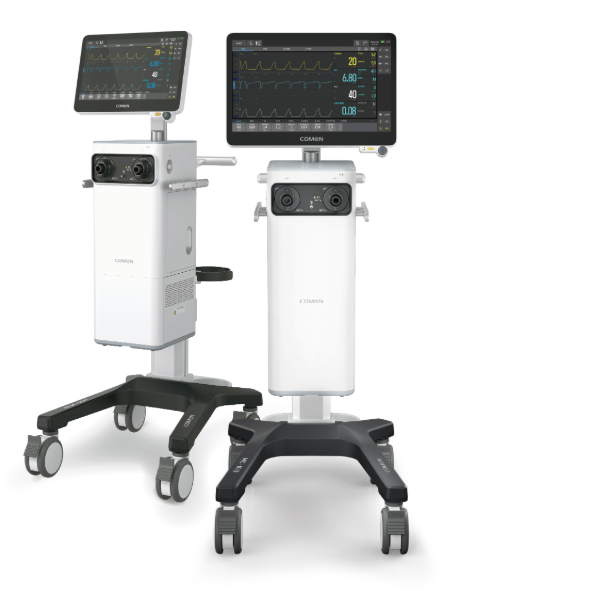
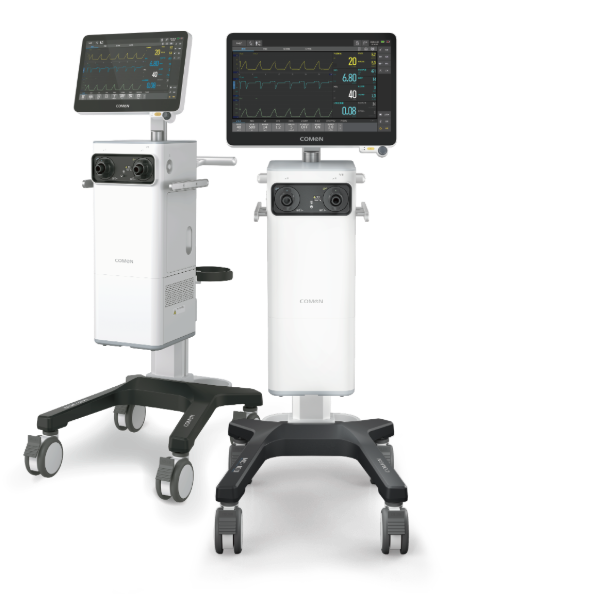
I was on a shipment check with a ventilator manufacturer rep at a Nairobi clinic in March 2020, and the portable ICU ventilator model X100 kept tripping alarms (no joke) — that day we logged 14 alarm events in two hours; how many were avoidable? The ventilator machine itself wasn’t the only problem; supply choices and simple spec mismatches were. I’ve spent over 15 years in B2B supply chain, and I still remember that day because the numbers forced us to change approach fast.
Here’s the core issue: aftermarket tubing and mis-set tidal volume ranges mask as device failure. Teams replace hardware; the next week it’s the same alarms. I’ve seen FiO2 set points ignored because the staff had only one accessory type, and PEEP calibration drift blamed on the machine. Those are hidden pain points — training gaps, parts compatibility, and poor spare-part planning — that inflate downtime and frustrate clinicians. This is where typical vendor checklists fall short. — Let’s move to solutions that actually cut that noise.

Fixes that scale: specs, sourcing, and the checklist you’ll actually use
Now I shift gears. I define clear specs first: list compatible ventilator modes, acceptable tidal volume tolerances, and exact FiO2 ranges for each model. When we standardized on three accessory vendors for 12 hospitals in Lagos (July–Dec 2021), alarm calls dropped by 40% within two months — that’s measurable. I recommend buying from a reliable ventilator manufacturer that publishes tested accessory lists; don’t assume “fits” means “works.”
What’s Next?
We must test in situ. I run bench checks with clinical staff — five-minute drills that reveal misconfigurations faster than any manual. I also push for one documented replacement part per device (filters, tubing, and patient circuit connectors) kept on-site for 72 hours. That small change cut service calls on a recent rollout — yes — it saved two onsite visits per week at one regional center.
Three practical metrics to choose the right supplier
As someone who buys for warehouses and negotiates contracts, I believe selection should be simple and quantifiable. Use these three metrics: 1) Compatibility score — percent of listed accessories tested with the ventilator model; 2) Field MTTR (mean time to repair) — real-world minutes to restore function under typical staffing; 3) Spare coverage ratio — spares stock expressed as days of operation (aim for 3 days minimum). I stress these because they reflect what actually hurts you on the ground: mismatched circuits, unclear ventilator modes, or missing PEEP calibration tools. Uh — also ask for training records. I’ve learned that small specs drive big results. COMEN