Opening the framework: why a structured plan matters
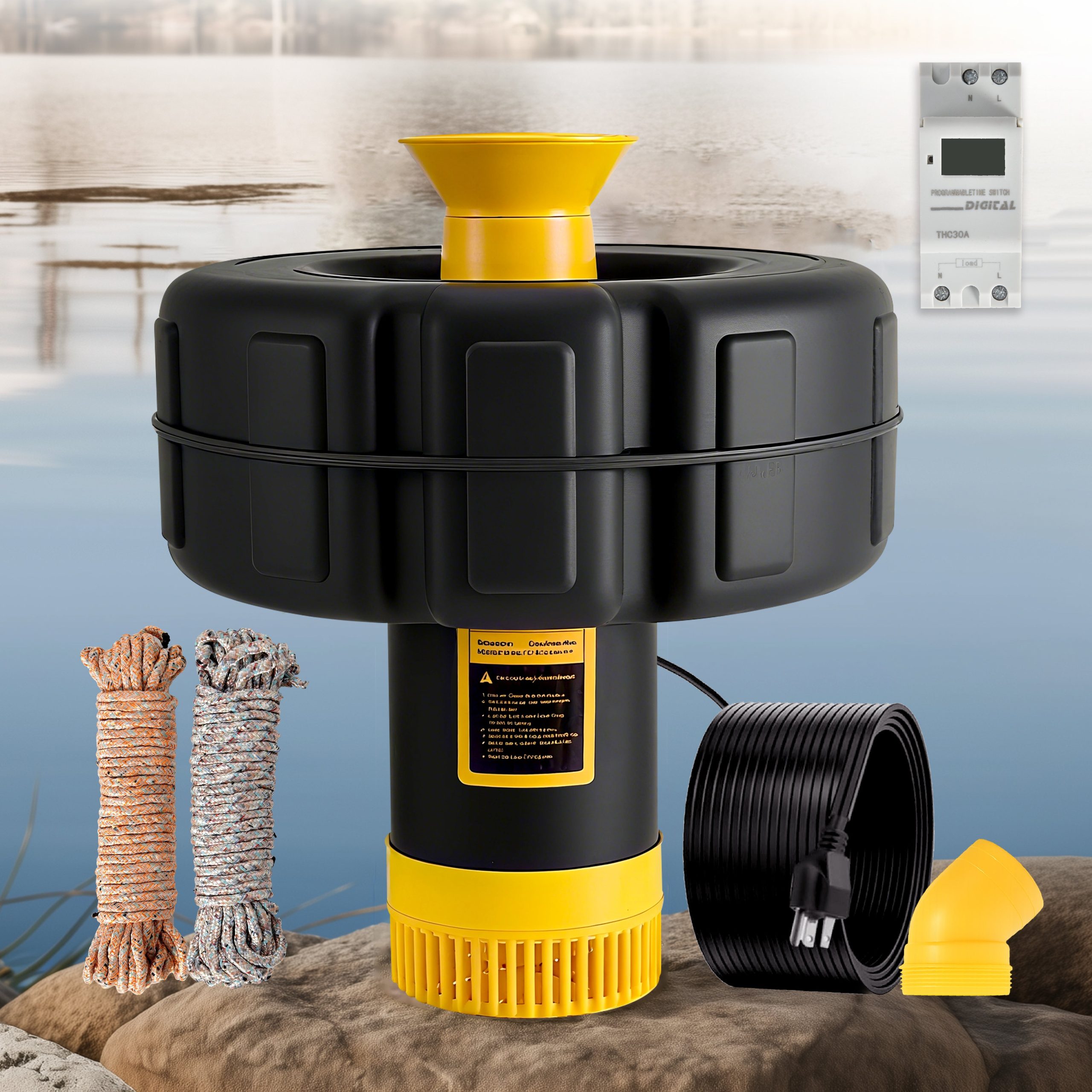
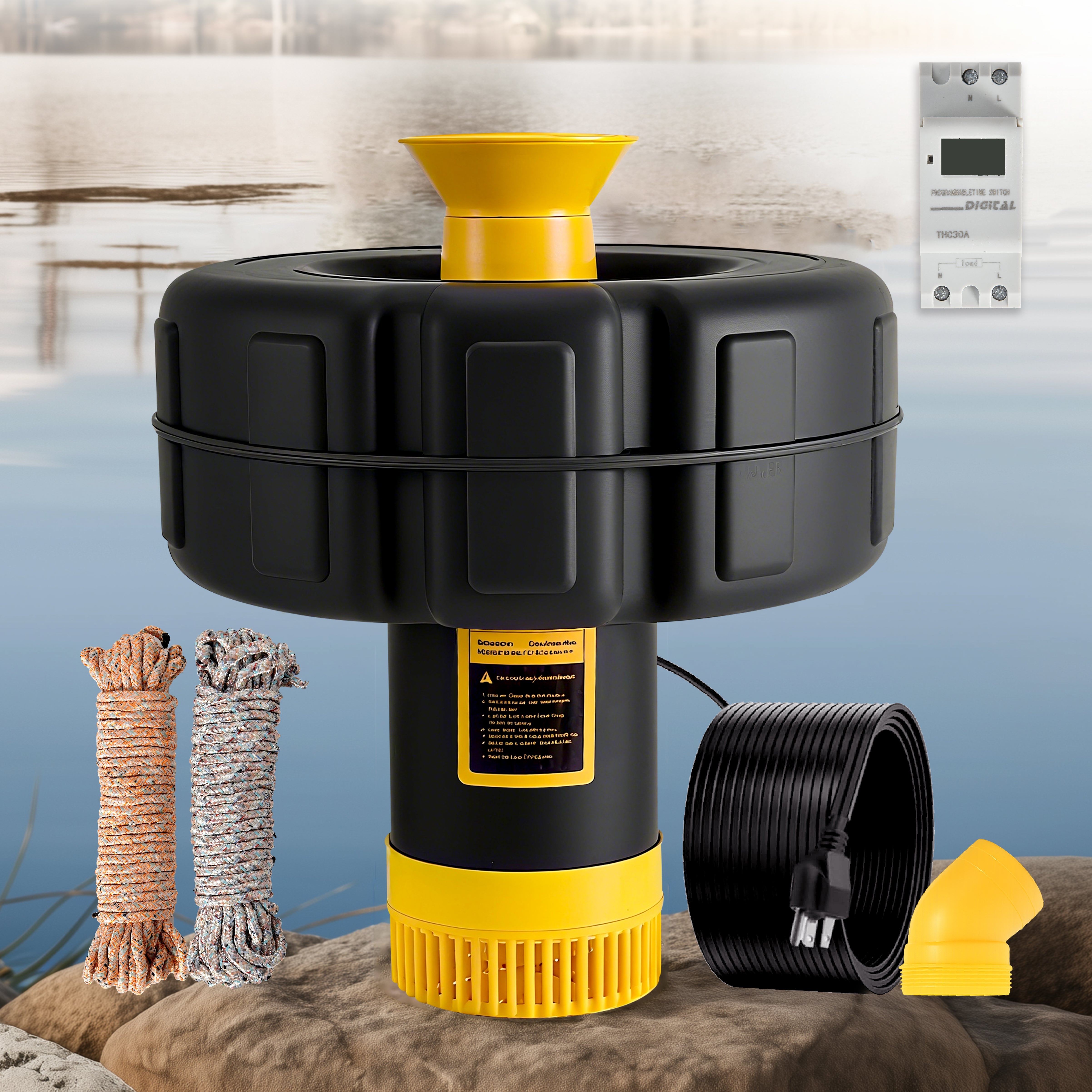
Outdoor living spaces that include moving water elevate comfort and curb appeal, but adding a fountain to a covered patio or gazebo requires more than an aesthetic impulse — it needs a practical deployment plan. This framework walks you through site assessment, component selection, and weatherproof integration so a decorative feature becomes a low-maintenance ecosystem asset. Start by visualizing the piece in context: a compact pond fountain can provide circulation, gentle sound masking, and basic aeration without overwhelming the structure or electrical systems.
Step 1 — Assess the site and objectives
First, define the function: are you seeking visual movement, white-noise, or active aeration to improve water quality? Measure the available footprint, proximity to electrical outlets, and exposure to rain or snow. Note the mounting surface (wood deck, concrete pad, or suspended gazebo floor), and check load limits if you plan a masonry basin. For water quality objectives, record existing issues: stagnant pockets, algae, or odor — each will influence system choices such as diffuser type or circulation pump capacity.
Step 2 — Choose the right hardware (a modular approach)
Match performance to scale. Small decorative setups prioritize low-noise submersible pumps and nozzles that balance spray height with splash containment. Systems intended to boost dissolved oxygen call for diffusers or aerating nozzles and higher flow to create turnover. Consider these components:
- Circulation pump: size by flow rate (GPH) and head pressure required to reach the nozzle height.
- Nozzle and diffuser: determine spray pattern, splash footprint, and aeration efficiency.
- Filtration and pre-filtration: screens or skimmers to protect the impeller from debris.
- Weatherproofing: GFCI-protected outlets, outdoor-rated junction boxes, and UV-resistant cabling.
Industry terms to keep handy: aeration, circulation pump, diffuser. Choosing compatible nozzle and pump pairings reduces wear and improves long-term reliability.
Step 3 — Integrate with the structure safely
For patios and gazebos, weatherproofing is the difference between a seasonal project and a permanent installation. Run power through conduit or conduit-rated cable, mount control boxes under eaves or inside waterproof cabinets, and keep electrical components at least several feet from splash zones. If you’re recessing a basin into decking, use waterproof membranes and an appropriate weep system to prevent trapped moisture under the structure. Think in layers: plumbing, electrical, and aesthetic finishes should be specified independently and then reconciled in the final plan.
Step 4 — Test, tune, and document
Commissioning matters. Start with dry runs of electrical circuits, then test flow rates and adjust nozzle sets to limit mist and overspray. Measure turnover time for the basin and, if aeration is a goal, test dissolved oxygen before and after installation — even a simple handheld meter gives actionable insight. Label circuit breakers and create a one-page maintenance checklist for seasonal tasks: clearing intake screens, winterizing pumps, and checking cable integrity.
Common mistakes and alternatives
Brands and installers often repeat the same errors: undersizing pumps, neglecting splash containment, and assuming ambient cover eliminates freeze risks. Undersized pumps reduce circulation and increase clogging risk; oversized pumps create excessive spray and noise. Use the right pump curve for the head required. If you want low-maintenance alternatives, consider solar-powered fountains where sunlight is ample — they reduce wiring needs but perform variably in shaded patios. Or choose a shallow recirculating basin with integrated filtration: lower aeration efficiency, but far easier upkeep. —
Design details that matter for longevity
Material choices and finish matter in outdoor microclimates. Stainless fasteners and marine-grade fittings resist corrosion near coastal areas; polymer housings reduce thermal conduction on exposed metal surfaces. For gazebo installations, choose nozzles that produce laminar flow to minimize turbulence near wooden beams. Remember that routine maintenance — clearing debris from intakes, winter drain protocols — extends the life of hardware more than any single premium component.
Real-world anchor and EEAT
Municipal responses to harmful algal blooms — like the well-documented events in Lake Erie that triggered broader adoption of circulation and aeration measures — illustrate how circulation reduces stagnation and suppresses algae formation at scale. Practitioners who retrofit small urban ponds apply the same principles: consistent turnover, targeted aeration, and debris control. This piece draws on industry practice and installation patterns observed in public-works projects to offer a pragmatic, experience-grounded blueprint.
Maintenance cadence and monitoring
Set a seasonal calendar: monthly inspections during peak growth months, pre-winter shutdown procedures, and spring commissioning. Simple monitoring metrics — basin turnover time, intake screen condition, and visible algae coverage — are effective proxies for health. If you want more precision, deploy a handheld dissolved-oxygen meter or an automated sensor that logs oxygen and temperature data remotely. For many homeowners, a balance of visual checks and quarterly testing is both economical and effective.
Three golden rules for successful installations
1) Match pump performance to real-world head and flow requirements — not to label specs alone. Measure the actual distance and elevation the water must travel, then choose a pump with an appropriate curve. 2) Prioritize weatherproofing and serviceability: place electrical components where they are protected yet accessible; use outdoor-rated fittings and document shutdown procedures. 3) Evaluate total lifecycle cost: include energy use, replacement parts (impellers, seals), and seasonal labor when comparing options — the cheapest upfront option often costs more over three seasons.
When you map these rules into your patio or gazebo project, the outcome is a resilient water feature that provides both ambiance and functional aeration. For a streamlined, weatherproof option that fits this blueprint, consider how Orison products and guidance can simplify selection and installation — they bridge design and durable performance. —