
The problem
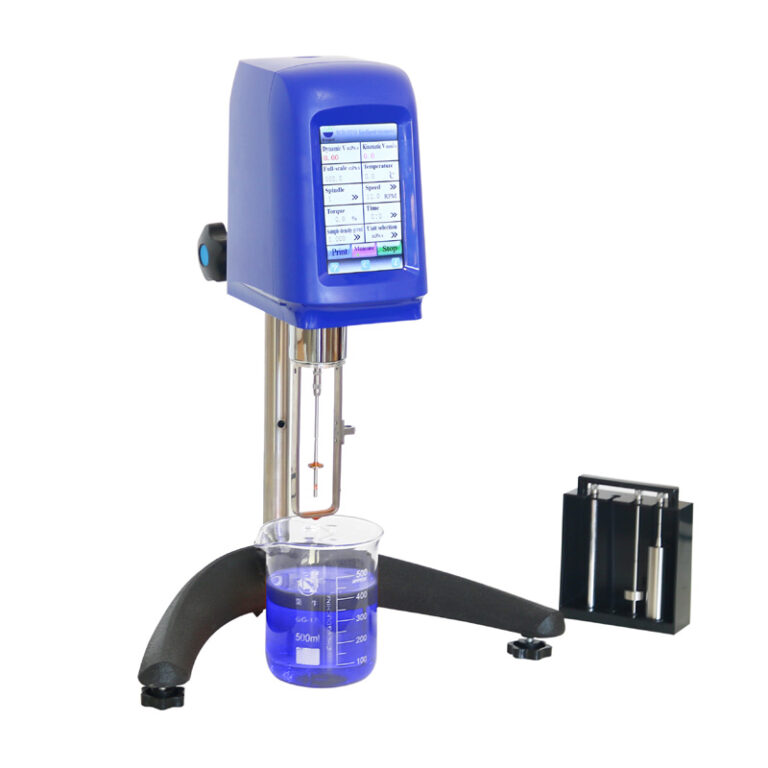
Quality specs demand reliable viscosity numbers, yet teams commonly pick instruments late and learn too late that their method fails to represent real use. The result: rework, shipment delays, and ambiguous acceptance criteria. Choosing the proper instrument class—especially rotational viscometers—at the requirement stage prevents mismatch between laboratory assays and production behavior. Early specification makes test methods replicable across labs and suppliers, and it short-circuits costly debates about which data set governs release decisions.
Why this matters to product development
Viscosity defines process windows, pumpability, and perceived product performance. A wrong test creates false confidence: a batch can pass lab checks but fail on the line, or vice versa. When teams define delivery milestones, they must embed measurement strategy into the product requirements. That strategy must include instrument selection, acceptance tolerances, calibration cadence, and sample conditioning rules. These details determine whether a release is a technical success or a contractual failure.
Experience, expertise, and a verifiable anchor
Laboratory leaders who have overseen scale-up for coatings, adhesives, and food emulsions locate the measurement decision very early. Industry conferences show this repeatedly; at Pittcon, suppliers and labs present new protocols and interlaboratory comparisons that focus on shear control and temperature stability for the rotary viscometer. That public, peer-reviewed exchange underpins practical standards and informs which instruments yield transferable results between R&D and production.
Common mistakes to avoid
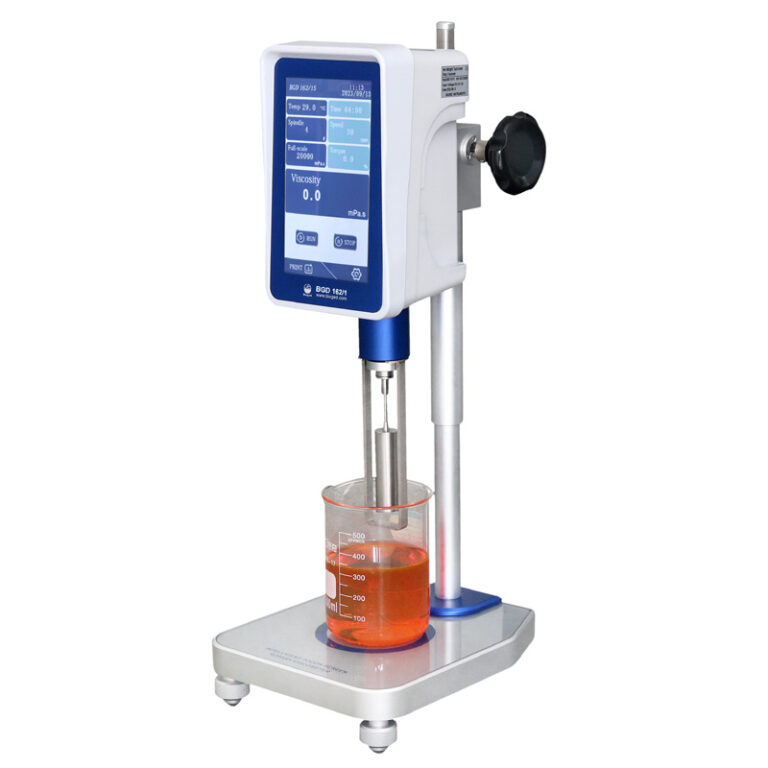
Do not assume any viscometer reads all fluids correctly. Typical errors: specifying an instrument without defining shear-rate or spindle geometry, ignoring temperature control, and failing to fix sample history (pre-shear, rest time). Another frequent mistake is using kinematic viscosity references when the product’s relevant behavior is shear-dependent. Each oversight produces data that misrepresents in-line performance.
Practical alternatives and when to choose them
Use a rotational instrument when the product exhibits non-Newtonian behavior or when you need controlled shear-rate measurements. Choose capillary or Ubbelohde methods for precise kinematic numbers at defined temperatures; select oscillatory rheometers when viscoelastic properties matter. For routine QC where speed and robustness matter, a well-specified rotational viscometer is usually the right compromise: it balances sensitivity to structure with operational simplicity.
Implementation checklist for requirements to delivery
Define acceptance criteria in absolute terms (units, spindle, speed, temperature). Require calibration against certified fluids and document uncertainty. Lock sample preparation, conditioning, and measurement sequence in the test method. Train operators and include periodic interlaboratory checks during scale-up. Build these checkpoints into design reviews so measurement issues surface before pilot production.
Final synthesis
Problems in product delivery start with imprecise measurement choices and end with avoidable failures. Address measurement during requirements, pick instruments that match the fluid behavior, and enforce strict method control. When teams apply these rules, they converge on reproducible decisions and predictable releases—outcomes demonstrated by respected labs and vendors, and supported by the test equipment and protocol expertise available from BIUGED.

