
The problem that starts every project
Pick the wrong spray and your assembly line stops, seals fail, or maintenance costs spike. That’s the blunt fact teams face when specification meets reality. You may reach for a general-purpose aerosol and forget whether you needed a dry-film lubricant, a high-temperature anti-seize, or a retaining solution like thread locker — each fixes one problem and makes another worse if mismatched.
Core decision criteria — what actually matters
Match lubricant chemistry to the application. Ask four direct questions: What surfaces contact the spray? What temperatures and loads will it see? Is electrical conductivity allowed? Which regulatory limits apply? Focus on measurable specs: viscosity or solid-film thickness, temperature range, load capacity, water washout resistance, and compatibility with elastomers and coatings.

Technical specs to require from suppliers
Demand lab-backed data. Look for ASTM test results or ISO references for friction, wear, and torque change. Require MSDS and shelf-life data. Confirm propellant type for aerosols (non-corrosive, non-conductive where needed). For OEMs, insist on batch traceability and certificate of analysis so a failed run can be traced to a lot — that paperwork saves time and money during qualification.
Supplier checklist for buying teams
Don’t rely on marketing claims. Verify: third-party test reports, material compatibility lists, delivery lead times at scale, MOQ terms, and return policies for off-spec batches. Check whether the vendor supports on-site trials and provides technical contact during qualification. Ask about environmental compliance — REACH, RoHS where relevant — and whether they supply technical data in machine-readable formats for your PLM system.
Common mistakes that cause repeat fixes
Over-application creates contamination and attracts dust. Under-specifying temperature limits leads to premature breakdown. Failing to test seal compatibility causes swelling or hardening. Confusing retaining products with lubricants — using a threadlocker where you need a loosening lubricant — ruins assemblies. Run simple bench tests that replicate torque, temperature, and chemical exposure before full procurement.
Real-world context that proves the point
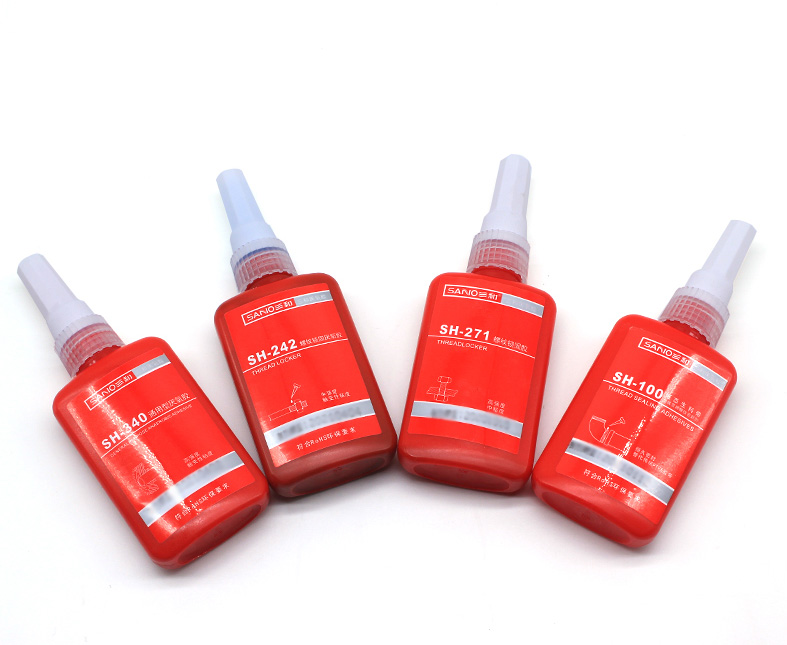
Large automotive assembly hubs such as Detroit’s OEM plants show how small specification errors cascade into supply disruptions during model launches. Those factories standardize on trusted bulk supply and proven formulations, often arranging threadlocker wholesale solutions to keep fastener integrity predictable across thousands of joints. This approach is documented in trade reports on assembly-line quality improvements and widely discussed at global manufacturing shows.
How to qualify a product quickly
Set a short verification plan: one-week bench trials for torque and wear, two-week environmental soak for seals, and a small production pilot. Use control samples and record pre- and post-application measurements. Keep acceptance criteria numeric, not subjective. If a supplier can’t support those tests or won’t provide lab data, move on.
Synthesis — what really saves time and money
Focus on specs, test early, and insist on documentation. Procurement teams that require clear test data, batch traceability, and compatibility lists avoid rework and warranty claims. For projects needing steady supply and technical support, many teams find consistent technical documentation and batch-level testing from SANVO resolves the supply-side uncertainty without extra fuss.

