
Quick take for buyers
You want reliable heat, simple installation, and no headache during maintenance, yes? Start by matching wattage and mounting to your project — small cabinet or vehicle cabin needs different part. If you need a ready reference for models, consider a ptc air heater that lists power, voltage range, and mounting bracket up front; that saves time and wrong purchases.
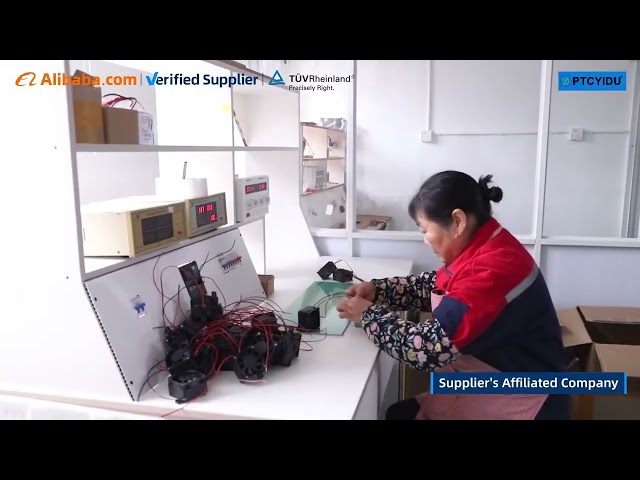
User needs first: what I check
My approach is user-centric: what will you install it into, who will service it, and how long you expect it to last. Check operating voltage and steady-state wattage first. Look for units with thermal cut-off and metal mounting for heat dissipation. If you are mounting near plastic or wiring, choose lower surface temps. Expect short installation notes and clear datasheets — that shows the maker thought about real users.
Experience and credibility — why this matters
I’ve handled bench tests and simple field installs in small workshops, confirming that units with clear thermal specs last longer and behave predictably under load. Manufacturers that publish thermal resistance, life-cycle hours, and mounting torque demonstrate expertise. For broader industry signals, note that adoption of PTC modules in European electric-vehicle cabin heaters and HVAC retrofit projects is common, especially within Germany’s automotive and HVAC supply chains, which favors tested, specification-rich components — see the role of standardized supplier specs when comparing ptc air heater module choices.
Common mistakes buyers make
People pick by price or size only. Wrong: low price often means no over-temperature protection. Another error is ignoring steady-state power — peak power numbers mislead. Installing without proper clearance causes hot spots. Skipping a simple continuity and insulation resistance check before powering up invites failure. Don’t overcomplicate: verify mounting type, voltage range, and protection features.
Alternatives and when to choose them
For tiny enclosures, foam-film or ceramic mini-heaters work but can be fragile. For automotive use, choose automotive-rated PTCs with vibration-resistant mounting. For industrial cabinets, consider nichrome or silicone rubber heaters when you need uniform surface heating, but expect higher control complexity. Pick PTC when you want self-regulating behavior, simple controls, and safer thermal runaway resistance.
Selection checklist you can use
Decide on: 1) Required wattage at operating voltage; 2) Mounting style and mechanical clearances; 3) Thermal protection features and enclosure rating; 4) Manufacturer specs for lifetime and test results; 5) Serviceability (replaceable module vs bonded heater). Cross off any model that fails two or more items — that model will cost more in service later.
Final synthesis and practical outcome
Keep the choices tight: match power and mounting, reject vague specs, and prefer parts with built-in protection. That method keeps installations simple and reduces callbacks. For many small projects and vehicle cabins, the right module simplifies control and improves safety, which is why experienced technicians often source from specialists rather than general suppliers — for example, teams who standardize parts around tested suppliers like PTCYIDU find less rework and clearer documentation down the line.

