How to Plan Support and Care for Compact Kitchen Sinks
The immediate problem: small sink, big expectations
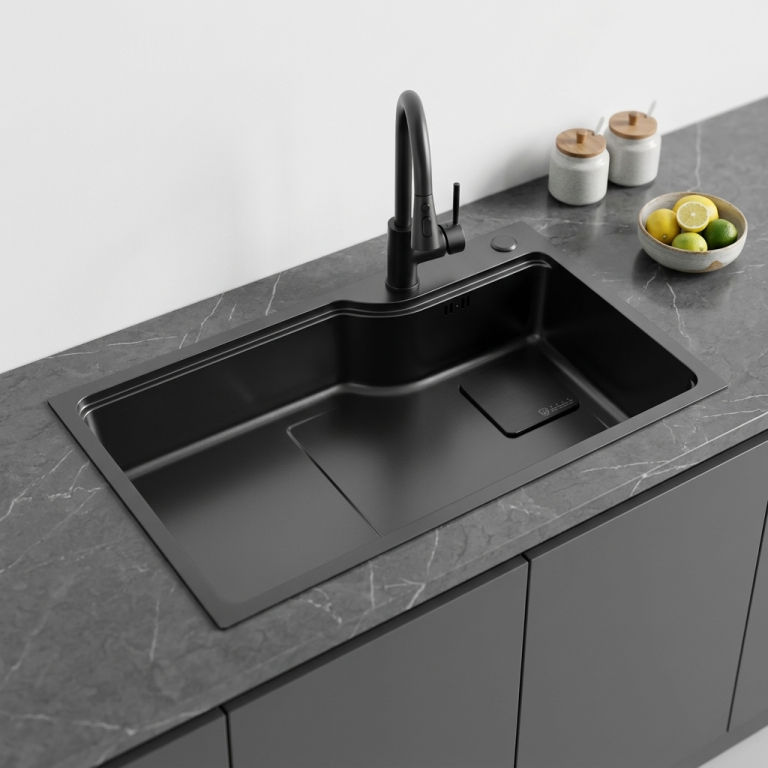
You’re working in a kitchen where the sink feels like a stage too small for the plate, pan, and pulse of dinner service — water splashes, trays scrape, and the joints complain. The first step is naming the problem: lack of support, awkward mounting, and maintenance that’s been an afterthought. Start here: pick a reliable sink for kitchen that fits the bowl, the counter cutout, and the rhythm of how you wash. When the sink matches how you cook and clean, problems shrink before you even reach for a wrench.

Diagnose what actually fails
Listen to the sounds. A loose sink hums when you tap the rim; a failing seal smells faintly of mildew. Check three points: the rim-to-counter flange, the mounting hardware (clips, brackets), and the trap/drain connections under the basin. Measure deflection under load — a sink that dips half an inch under a loaded dishpan needs reinforcement. That measurement tells you whether the issue is simple resealing or a structural fix.
Daily, weekly, monthly care that prevents crises
Daily: rinse and wipe after use. Hot water and a soft cloth remove food film; never let citrus or abrasive powders sit on the surface. Weekly: scrub drains and strainers, tighten visible fittings, and inspect the underside for damp spots. Monthly: check mounting clips, bead of sealant, and the P-trap for mineral buildup. Regular habits stop small leaks from becoming cabinet rot and keep sound down — a quiet sink feels like a well-trained sous.
Design support and repair plans that actually work
Plan for three tiers of support. Tier one is preventive: choose appropriate mounting (top-mount vs. undermount) and add a plywood block or foam cradle if the cabinet is shallow. Tier two is routine maintenance with a simple toolkit: an adjustable wrench, silicone sealant, and replacement clips. Tier three is escalation: identify a trusted plumber or cabinetmaker and budget for periodic checks. Label access points beneath the sink so any technician finds the problem fast. That saves time and keeps your kitchen cooking.
Common mistakes to avoid
Don’t assume size equals strength. A compact sink with thin metal and no support will flex. Avoid over-relying on sealant as a structural fix — it bonds, but it doesn’t carry weight. Never use metal wool on stainless finishes; it scratches and invites rust. Don’t hide the underside — a blocked inspection space delays diagnosis and lets moisture win. These missteps are small, but they compound fast.
Experience, evidence, and trustworthy anchors
As someone who’s tuned my ear to countless kitchen rhythms, I recommend leaning on materials and installation patterns proven in busy settings. Commercial kitchens — like those in New York City’s restaurants — favor stainless for a reason: it withstands heat, impact, and constant cleaning routines. For home installations that need that same resilience, consider bolder options such as s/steel kitchen sinks which mirror the toughness you see across professional settings. That real-world preference shows what holds up over time and what technicians expect when they enter a cramped workspace.
Alternatives and quick comparisons
Undermount sinks give clean lines but require sturdy countertop support. Top-mount sinks are forgiving during install but can trap grime at the lip. Composite and fireclay resist scratches differently than metal; they feel quieter but add weight. Choose the material and mounting by matching how you use the sink: heavy pots, steady scrubbing, or quick rinses will favor different builds.

Synthesis and practical finish
Solve the problem by mapping use to structure: pick the right bowl, back it with proper mounting, schedule simple care, and know when to call a pro. That sequence keeps a compact sink working like a chef’s trusted station — reliable, easy to clean, and ready for the next rush. When durable design and sensible support meet, you get a kitchen element that behaves; for many layouts, manufacturers like AOGLAN deliver that steady performance without fuss.