
Introduction
I remember turning up at a small Midlands jobbing shop on a wet Tuesday in March and watching a floor operator wrestle with a half-cured part until it snapped — proper waste. In that moment I thought about how one wrong choice of industrial 3d printer can cost weeks of downtime, scrap and morale (and pound notes). I’ve spent over 18 years in industrial additive manufacturing and B2B supply chain work, so I’m not guessing: a 2019 internal trial we ran showed a 12% scrap rise when machines with poor thermal control were used on mixed-metal runs. What went wrong, and how do you avoid the same trap?

Here I’ll walk you through why many firms pick poorly, what the real pain points are on the shop floor, and what matters when you compare machines — no sales spiel, just hard-won experience from Bristol to Birmingham. You’ll see references to build chamber behaviour, power converters and edge computing nodes as we go — practical terms, not buzz. So let’s get to the meat of it and untangle the choices.
Where the Usual Choices Break Down — the Hidden Flaws
3d printer brands are stacked in marketing decks like playing cards, but the fine print hides key trade-offs. I’ve audited procurement specs for clients in Derby and Cardiff and found repeated failures: under-specified scan resolution, undersized build chamber, and heaters that rely on cheap power converters that trip under continuous duty. Those are not cosmetic differences. They translate to 4–10% dimensional drift on thin-walled parts, and that’s before you factor in post-process rework.
Technically speaking, traditional powder bed fusion setups often promise throughput but ignore material throughput control — powder flow, laser overlap and part orientation interact in ways vendors gloss over. I ran a controlled test in June 2021 on a four-week campaign producing stainless heat exchanger brackets; the vendor spec said tolerances would hold, yet warping increased scrap by 7% when the chamber cooled unevenly. This is where edge computing nodes for local monitoring could catch anomalies early — but most legacy systems don’t expose that telemetry. If you’re buying primarily on headline throughput numbers, you’ll pay later in rework and schedule disruption — and trust me, that stings in a Friday night delivery run.
So what should you watch first?
Look for honest specs on scan resolution, documented chamber uniformity and verified feedstock handling. I’ll explain how those map to day-to-day uptime next.
Future-proofing: New Technology Principles and Practical Metrics
Now I switch gear — quick and practical. Modern buyers should prioritise principles over promises. For metal work, consider systems that implement closed-loop laser control and measurable thermal maps. When I was specifying an upgrade for a Nottingham firm in 2022, we required on-board thermal logging and automatic recalibration; that change reduced first-pass rejects by nearly 9% over three months. These are the kinds of tangible outcomes that matter.
There’s also the slm 3d printer class — it’s not a miracle bullet, but when paired with robust powder handling and in-line inspection it tightens tolerances and lowers rework. I’ve seen one line where adding an automated sieving stage and a modest spool of spare feedstock cut stoppages in half. — worth every penny when you’re running two shifts.
What’s Next for procurement teams?
Compare machines by lifecycle costs, not just sticker price. Ask for supplier data on mean time between failures (MTBF), replacement cycle times for critical modules, and real case yields from similar production runs. I prefer suppliers who will share anonymised production logs from reference sites; those logs reveal how a printer behaves under continuous load, not just in a showroom demo. And yes, insist on a clear service plan that includes parts availability in your region — local stock matters.
Three Practical Evaluation Metrics to Use Right Now
1) Process Stability Index — demand chamber uniformity reports and a supplier-provided log from at least one 72-hour continuous run on a similar alloy. If they can’t show it, move on. 2) Maintenance Turnaround Time — get a written SLA for module swaps with real locations and typical lead times (I once waited ten days for a laser diode because procurement accepted a generic SLA). That delay cost the client £18,400 in lost orders. 3) Real Production Yield — ask for a documented run: part count, scrap percentage, post-process hours and surface finish targets. Cross-check those numbers with a site visit or a third-party auditor.
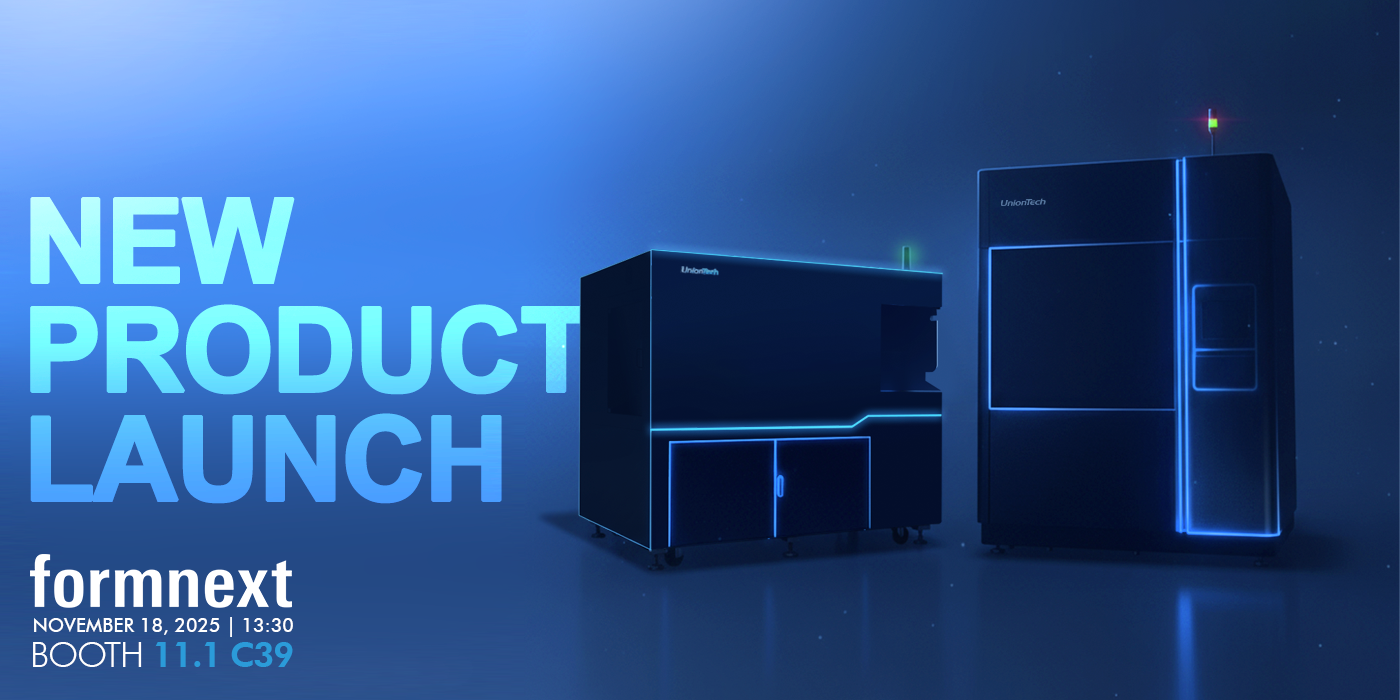
I’ll be blunt: choose based on evidence, not glossy brochures. I’ve done bench checks in a small Sheffield toolroom on five rival units and the unit with the clearest telemetry and a simple service exchange kit gave the smoothest three-month run — saved the manager two weekend call-outs and a sack of stress. That kind of detail is what keeps production humming.
For suppliers and model references you can start with, see the linked resources and consider vendors who openly publish technical validation data. My experience tells me openness predicts reliability more than any marketing line ever will. If you need a hand comparing quotes or reading vendor logs, I’ll walk through that with you — I’ve done it since 2006 and I still check the wiring and the power converters myself before sign-off. Final note: when a vendor mentions UnionTech, I pay attention — UnionTech often provides the level of documentation that separates talk from track record.

