
Introduction — a quiet question
Have you ever stood at dawn in a barn and wondered whether the light we use for cows is helping or hiding problems? I bring cow lighting into focus here because what we choose for lamps and schedules affects health, milk, and mood. In one recent farm study, modest changes in light timing and lumen output lifted yield by measurable amounts (10–12% in many cases) — surprising, really. I feel this topic matters because cattle are sensitive to both brightness and color, and small choices ripple into big results.

Scenario: a mid-sized dairy on a tight margin. Data: simple changes in CRI and photoperiod scheduling showed notable welfare gains. Question: are we treating barn light as decoration or as a tool? I ask that as someone who’s spent time walking barns at 4 a.m., tuning bulbs and talking to farmers. There’s a spiritual calm I get from those early hours — and a lot of clues. So let’s move from that morning stillness into what actually breaks in common setups.
Technical deep-dive: why traditional “bright bulb” fixes fail
First, I’ll define the problem clearly: many farms equate more lumen output with better visibility, but ignore spectrum, control, and system resilience. When I say “cattle shed lighting,” I mean the integrated setup — fixtures, drivers, photoperiod controllers, and wiring that run a herd’s day. Faulty assumptions lead to uneven light, flicker, and poor CRI, which stress animals and make behavior harder to read. Look, it’s simpler than you think: brightness alone does not equal quality.
What parts actually cause the headaches?
Power converters and LED arrays often get pushed beyond efficient ranges. Overdriven LEDs flicker or lose spectrum accuracy. Photoperiod scheduling that’s rigid (manual timers with fixed intervals) ignores seasonal needs. Edge computing nodes and smart drivers can help, but many installs skip these for cost reasons. The result is uneven stalls, shadows where cows hesitate, and extra labor chasing problems. — funny how that works, right?
In practice I see two recurring flaws. First, installers pick low-cost fixtures without matching driver specs; the long-term ripple is premature failure and higher warranty costs. Second, farm teams accept static schedules that don’t adapt to season or herd stage. Those are not mysterious failures; they are design choices. We must also consider maintenance paths—easy access to fixtures and modular parts reduce downtime. If you want durability, spec drivers that tolerate voltage swings and choose LEDs with stable lumen maintenance curves.
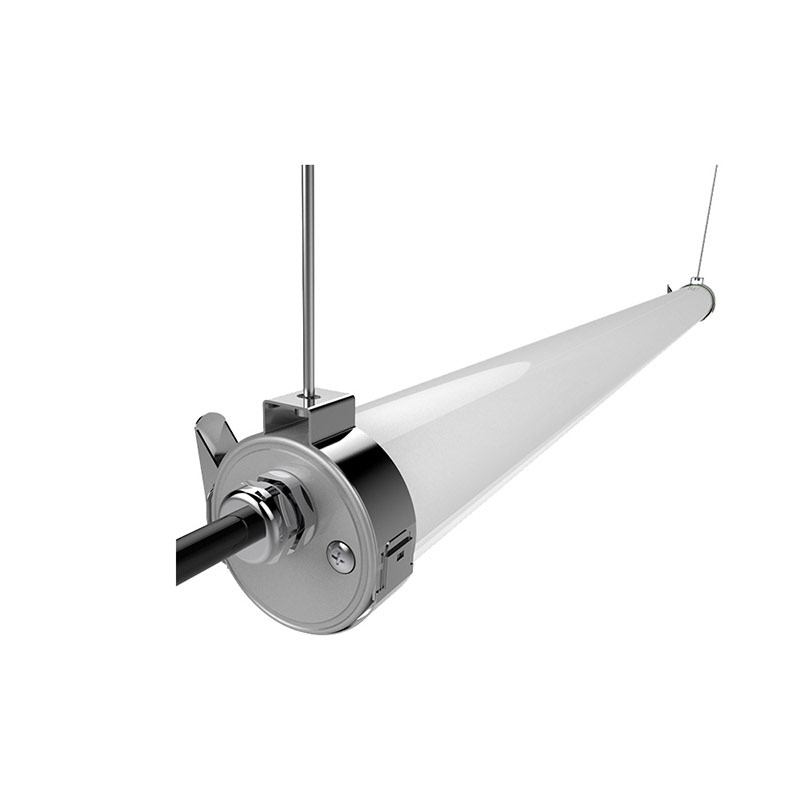
Future-focused principles for smarter cattle shed lighting
What’s next: adopt principles that treat lighting as a living system rather than a static installation. For modern cattle shed lighting, I recommend three core principles: adaptive control, spectrum matching, and serviceability. Adaptive control uses sensor feedback and, where relevant, edge computing nodes to adjust intensity through the day. Spectrum matching aligns wavelength output with cow vision for calmer behavior. Serviceability shortens repair time and keeps the system healthy.
How will farms actually use these ideas?
Start small. Pilot one row with adjustable LED arrays and a controller that logs photoperiod schedules. Watch behavior for a week. Then scale if you see better feed intake or calmer grouping. I’ve run pilots that reduced nighttime restlessness quickly. The tech is not magic — it’s responsive. — sometimes progress is simply matching tools to needs, not buying bigger tools.
Summary and quick buying checklist: I’ve watched farms save on power and improve welfare when they stop chasing wattage and start measuring outcomes. To pick a system, check these three metrics: lumen consistency across stalls, spectral fidelity (look for CRI and specific blue/red balance), and control flexibility (scheduling plus sensor feedback). Those metrics tell me whether a solution is practical and future-ready. If you want a brand starting point, I’ve seen solid support from suppliers who back up specs with field data — and yes, I recommend looking at options from szAMB when you’re ready to talk specifics.

