
Introduction — a short scene, a small fact, and a quiet question
I once watched a maintenance tech on an offshore platform stop mid-repair when a loose bolt sparked against a steel rail; we all froze. In situations like that, teams often reach for non sparking wrenches because the difference between a safe shift and a disaster can be one tiny spark. (That moment stuck with me.) Field reports note dozens of tool-related ignition incidents each year in classified work zones — enough to make me ask: are the tools we trust actually solving the real risks? I want to walk through what I’ve seen, what the numbers whisper, and where common thinking trips up — and then move into why the usual fixes leave room for better answers.
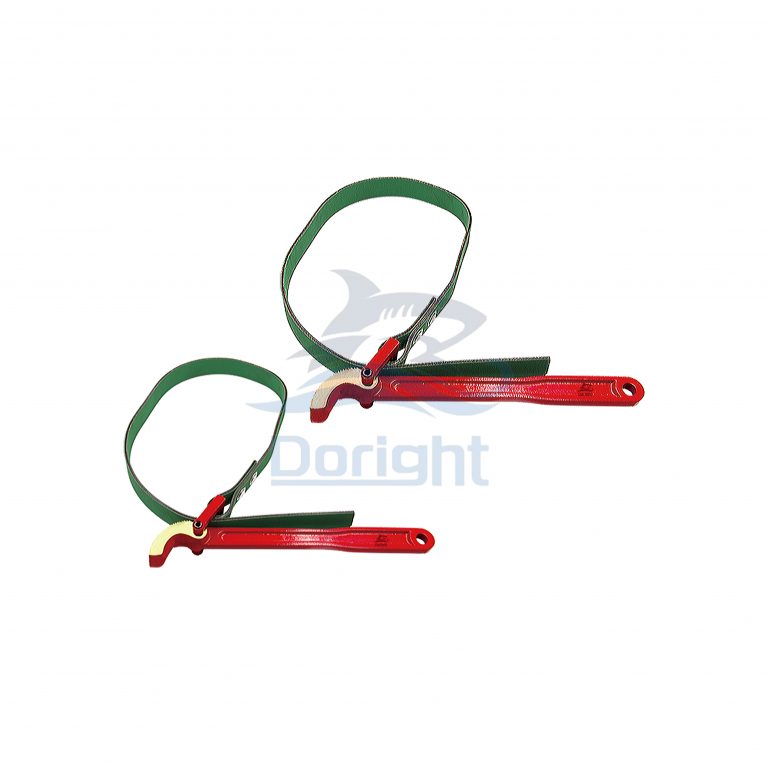
Where common fixes fail: the technical cracks in standard practice
When I say “non sparking wrench” early, I mean the whole idea of safety-by-material is on the table. non sparking wrench designs use spark-resistant alloys intended for hazardous area work, and yet they can fail in surprising ways. First, many shops assume alloy choice alone makes a tool safe — but wear patterns, edge deformation, and improper torque calibration can expose steel core or create heat from friction. Look, it’s simpler than you think: the tool’s material is only one variable.
So what’s actually slipping through?
Two big technical pain points show up repeatedly. One, abrasion and grit in the job environment can erode the alloy surface, producing an unexpected contact point that behaves like conventional metal. Two, torquing practices are inconsistent; if you over-torque, you deform the fastener and increase frictional heat. These problems tie back to hazardous area classification misunderstandings and poor maintenance regimes. I’ve seen crews treat tools as disposable rather than precision equipment — a mindset that undercuts intrinsically safe intentions. The result: a so-called non-sparking tool behaving very much like a risky one. This is not theory; it’s practical, fixable, and frustrating — funny how that works, right?
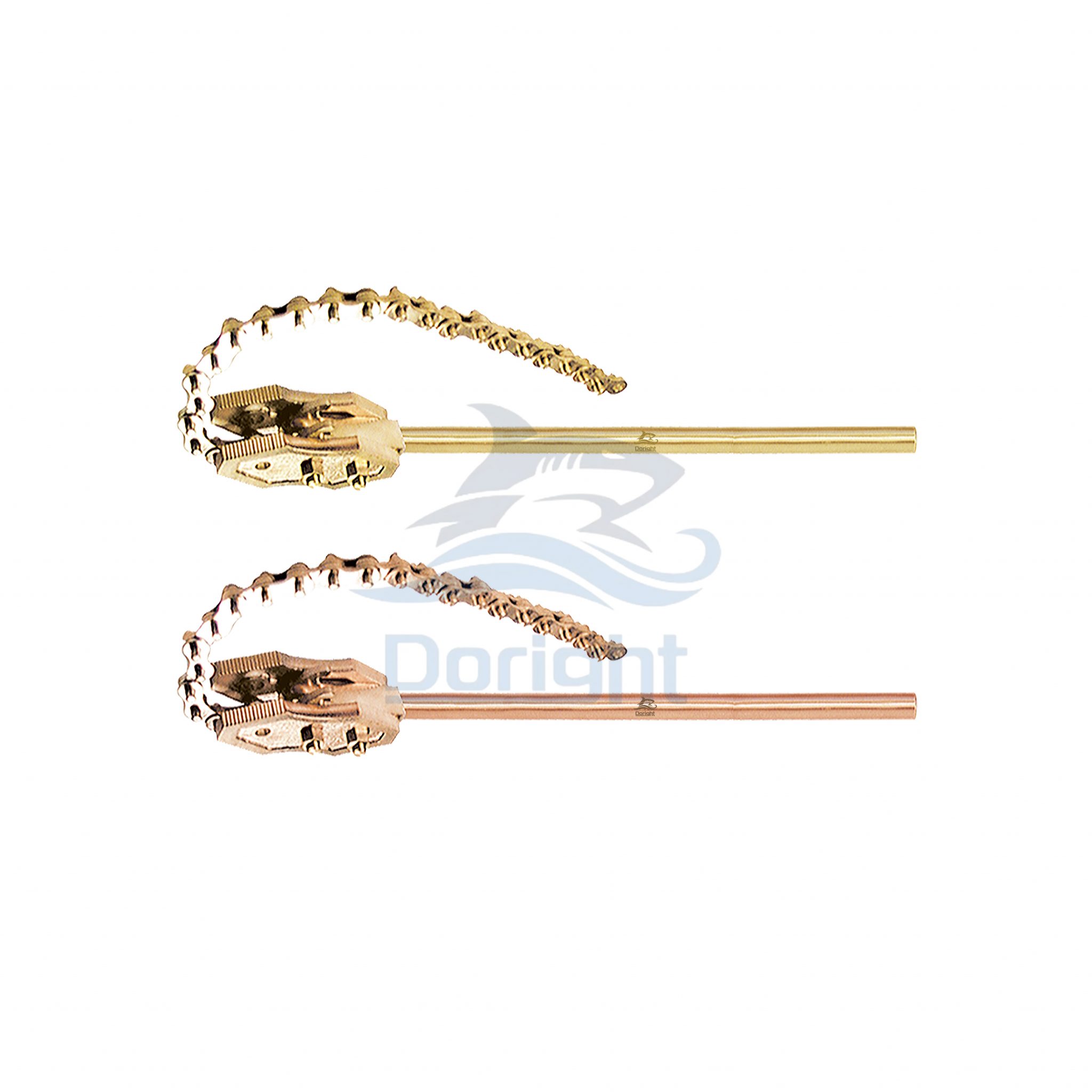
Principles for better tools and smarter use — a forward look
Moving forward, I’m most interested in the engineering principles that actually reduce ignition risk. New tool concepts pair spark-resistant alloys with refined surface treatments and controlled torque feedback. That means you get a non sparking spanner that not only resists sparks chemically, but also signals when a bolt is seating correctly — reducing friction spikes and thermal hotspots. non sparking spanner designs are leaning into sensor-assisted calibration and improved corrosion resistance to keep the alloy surface intact for longer.
What’s next for teams and toolmakers?
In practice, I recommend three evaluation metrics when choosing or updating your kit: material integrity over service life (does surface treatment hold up under grit and salt?), torque accuracy and feedback (is there a way to avoid over-torquing?), and maintenance protocols (are inspection intervals realistic for your site?). These measures make the risks measurable rather than assumed. They also open the door to modular upgrades — imagine swapping a sensor module into an existing spanner instead of replacing the whole tool — which is cost-effective and practical. I’ll stress again: maintaining the working surface and following calibrated torque steps matter more than many teams expect. — it’s plain and personal advice from my years on job sites.
Closing guidance: three quick metrics to judge smart non-sparking solutions
I’ll finish with a short, clear checklist you can use right away. First, check surface retention: ask vendors for wear-rate data on spark-resistant alloys. Second, demand torque calibration and, where possible, real-time feedback or clear torque markings. Third, verify maintenance and inspection plans — lifetime safety comes from care, not marketing. I believe these three points cut through the noise and give you practical control over risk, not just promises. In my view, that’s the kind of change we need: thoughtful, measurable, and human-centered. For reliable equipment and sensible guidance, consider what experienced suppliers offer — and for a source that balances product depth with practical insight, see Doright.

