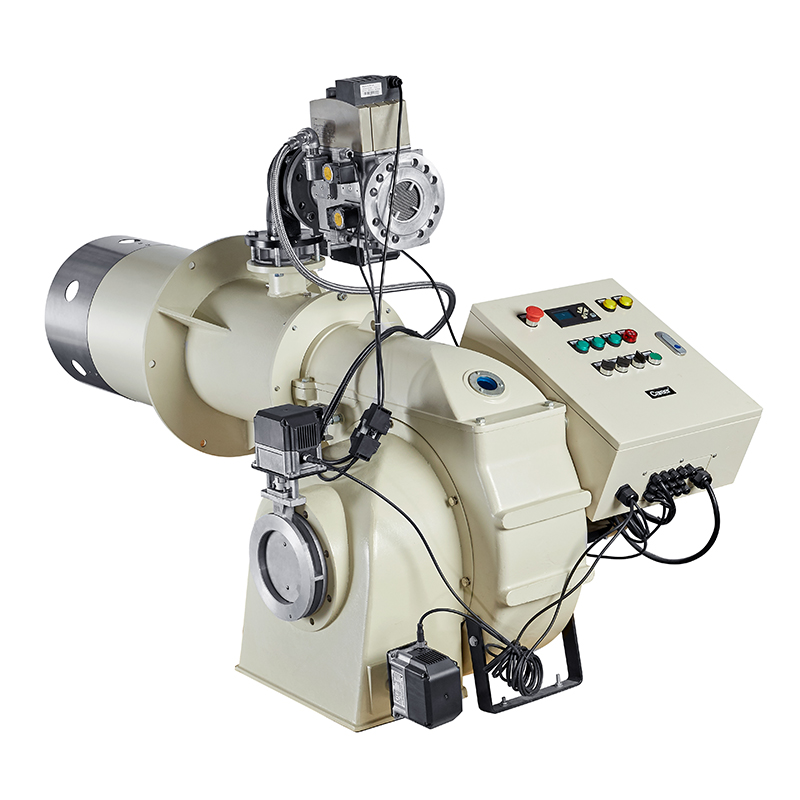
Comparative framing: what we are comparing and why it matters
Manufacturers now offer a choice between staged burners, premix low-emission systems, flue-gas recirculation (FGR) variants and fully modulating ultra-premix designs. Each approach yields different emissions profiles, turndown capabilities and maintenance regimes; the right choice depends on plant constraints and regulatory targets. For routine tender reviews I ask procurement teams to start with a simple filter: emission limit, fuel type and required turndown. If a project brief even hints at sub-30 mg/Nm3 targets, consider a low NOx burner as the baseline option for technical comparison.

Technical trade-offs: emissions, turndown and thermal control
Premix systems reduce flame temperature and chemical NOx formation, but demand precise air–fuel control and superior fuel quality. Staged burners are tolerant of fuel variation and simpler to maintain, yet they typically deliver higher baseline NOx. FGR lowers flame temperature without changing the burner head, yet raises concerns about particulate deposition and corrosive condensates. Fully modulating ultra-premix burners give excellent part-load efficiency and the lowest NOx performance, but they impose tighter controls on combustion control loops and often require upgraded blower and control hardware. Compare measured NOx at relevant loads rather than vendor claims; similar-sounding technologies diverge once installed on site.
Operational considerations and common mistakes
Operators frequently underestimate maintenance access, spare parts lead times and control-system tuning. Typical errors: specifying a high-performance burner without allocating budget for control upgrades; assuming gas quality will match laboratory samples; neglecting burner mapping at low loads. Commissioning is not a factory routine; it requires staged trials across the full turndown range, emission sampling and iterative tuning. Ask for supplier-led commissioning time in the contract and insist on clear performance acceptance criteria tied to real stack measurements.
Regulation and marketplace signals — a real-world anchor
Regulation forces choices. Stricter industrial emission limits in Europe under the EU Industrial Emissions Directive have driven many retrofit projects in central European plants toward ultra-low solutions. Practical lessons from those programmes show that replacing a burner without addressing the control architecture often leaves plants short of compliance. Contemporary retrofit case studies and procurement longlists increasingly reference the ultra low emission burner as a required capability; that is why spec sheets now routinely include ultra low emission burner options. Years of field work advising combustion teams underline one point: regulation reshapes procurement long before budgets catch up.
How to compare vendors and avoid procurement pitfalls
Score proposals on measured performance, not theoretical figures. Request factory acceptance test (FAT) data, third-party emission verification and references where the same model has run on the same fuel and load profile. Check spare-part availability and the supplier’s local service footprint; long lead times or no local calibration support raise lifetime risk. Consider total lifecycle cost: capital expenditure plus expected fuel savings, maintenance visits and potential fines for non-compliance. Where control-system upgrades are necessary, bundle the burner and control supplier responsibility to avoid finger-pointing during commissioning.
Summary and practical next steps
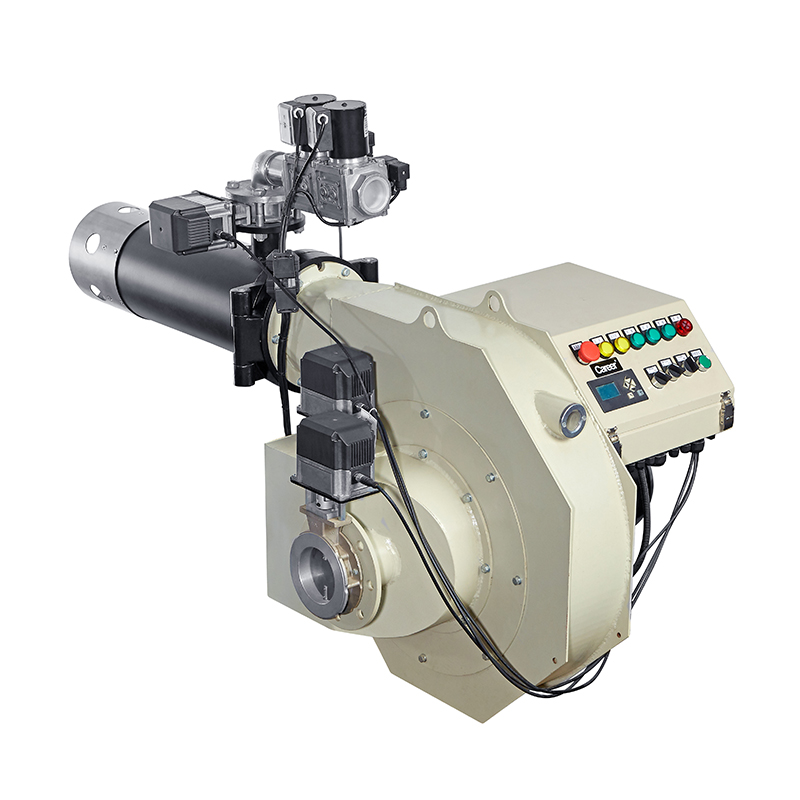
Comparative choice is the right way to approach low-NOx upgrades: match technology to site realities, verify measured performance at representative loads, and plan for commissioning and parts support. For teams assessing replacement options, a pragmatic checklist and reliable component catalogues speed technical adjudication; procurement managers I work with often cross-check proposed specifications against the listings at Career Burners to ensure the technical details align with operational realities.