Opening the problem — why hum matters and who feels it
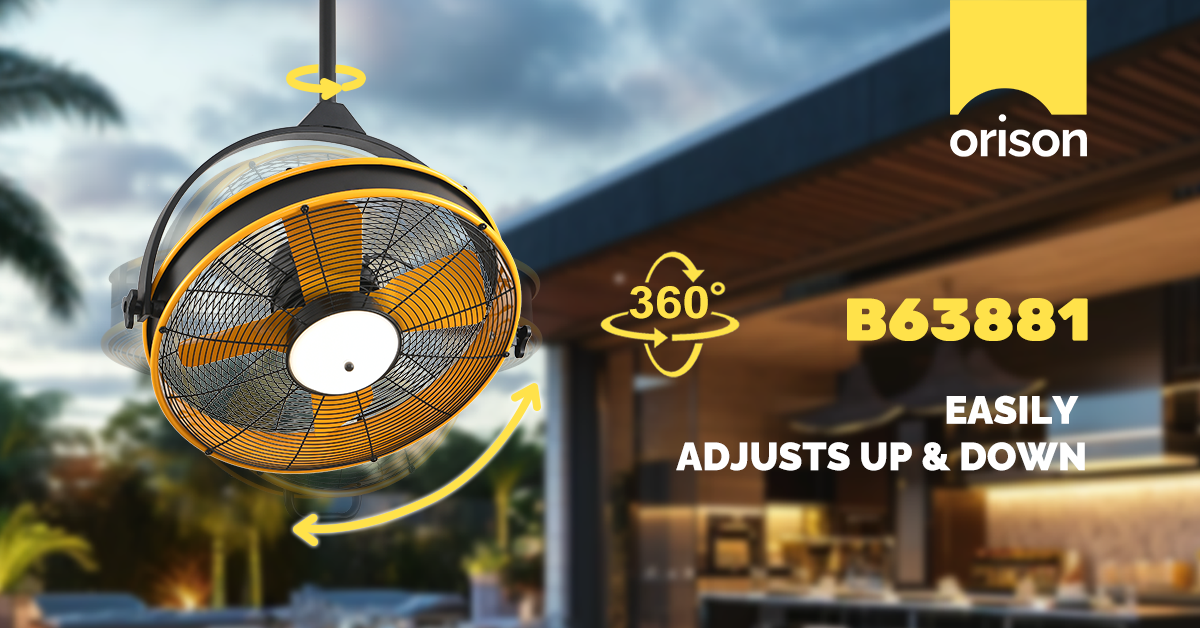
Pond and lake owners know the promise of a fountain: oxygenated water, prettier vistas, and the calm rhythm of circulating flow. But when that promise turns into motor hum and structure-borne vibration, the aesthetic becomes an annoyance — neighbors complain, wildlife flinches, and masonry can rattle. If you’ve wrestled with persistent noise, the answer often isn’t louder speakers or thicker walls; it’s better engineering — the sort of attention to motor housing, bearing isolation, and balanced impellers that you already trust in well-made fixtures like ceiling fans with light. In short: the source is mechanical, and the solution is factory-direct design and control.
How motor hum and vibration start — the mechanics explained
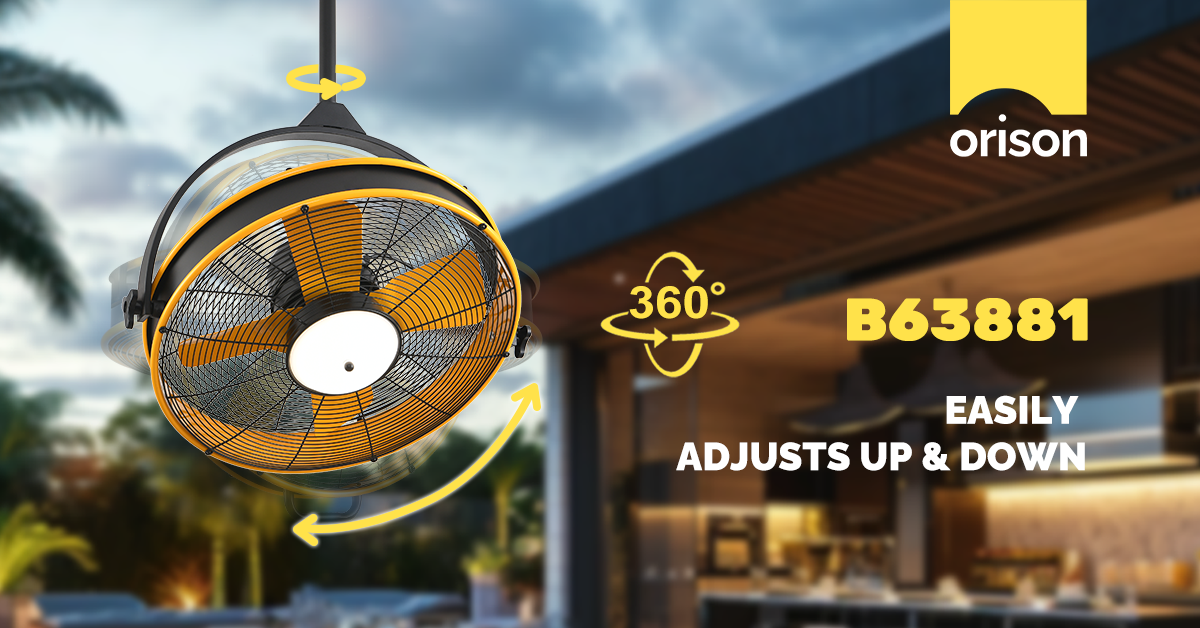
Motor hum usually begins where imbalance meets resonance. Small imperfections in the impeller or rotor create wobble at certain RPMs; that wobble transmits through rigid mounts into concrete or decking and becomes an audible hum. Other culprits include worn bearings, loose fasteners, and poor coupling between motor shaft and impeller. Cavitation at the impeller can add a low-frequency rumble, while cheap motor controllers produce tonal harmonics that are easy to hear. Engineers solve these with precision balancing, sealed bearings, and vibration isolation mounts — terms familiar to anyone who maintains a high-quality fan or pump system.
Why many off-the-shelf fountains fall short
Mass-market fountain kits prioritize price and simplicity over tolerances. That means looser shaft fits, lower-grade bearings, and minimal QA on rotor balance. Installers then compound the problem by bolting pumps directly to rigid bases or using undersized fasteners that transmit vibration. The result: a unit that performs fine in theory but sings a complaint song in-situ. Fixing it later often costs more than buying the right unit up front — a classic false economy.
What factory-direct design gets right
Factory-direct fountains remove the guesswork. Manufacturers match motor and impeller as a single engineered assembly, perform dynamic balancing on rotors, and design motor housings to dampen tonal noise. They specify vibration isolation mounts, anti-resonant base plates, and appropriate RPM ranges so the system avoids natural frequencies of nearby structures. Many also offer variable-speed electronic controllers (with smooth PWM or sine-wave drives) that eliminate the whine common with cheap controllers. These are the same engineering choices that reduce hum in decorative fixtures — even the careful designs behind a quality chandelier fan borrow such strategies to protect ceiling plaster and silence motors.
Real-world anchor: why standards and context matter
Noise isn’t just annoying — it affects health and enjoyment. The World Health Organization’s environmental noise guidance suggests outdoor nighttime levels should stay around 40 dB to reduce sleep disturbance and annoyance. In dense neighborhoods or preserved parklands, a fountain that adds steady low-frequency hum can push local soundscapes past that threshold. Practical engineers therefore design to measured dB targets and use vibration isolation to prevent transmission into adjacent structures — a design ethic seen in careful lighting and fan applications across historic districts from Charleston porches to contemporary urban plazas.
Checklist: features to demand from a factory-direct fountain
When evaluating products or bids, insist on these specs:
- Dynamic rotor balancing and documented balance certificates (reduces wobble and hum)
- Sealed, grade-rated bearings and serviceable motor housing
- Vibration isolation mounts or anti-resonance base integration
- Matched impeller and motor RPM curve for low-torque, low-noise operation
- Variable-speed controller with smooth drive to avoid tonal harmonics
- First-article testing and in-line QA on noise signature and vibration amplitude
Common installation mistakes that reintroduce hum
Even the best factory unit can hum if installed poorly. Rigidly fastening the pump to a thin concrete slab, omitting isolation pads, misaligning the shaft coupling, or using an incompatible controller will all reintroduce vibration. — Also watch for overtightening hose clamps: they can couple pump vibration directly into piping and structure. Simple steps — torque to spec, use neoprene isolation mounts, and match cable routes to avoid sympathetic resonances — save hours of troubleshooting later.
Alternatives and trade-offs
If you can’t go factory-direct, consider two alternatives: a remote pump house that separates the motor from the pool edge, or a floating pontoon-mounted fountain that isolates structure-borne paths. Remote pump houses remove most direct transmission but add plumbing length and cost. Floating systems limit structural coupling but can change aesthetics and serviceability. Each choice trades noise control against budget, maintenance complexity, and visual goals.
Golden rules for selecting the right fountain — three critical metrics
1) Measured Sound Signature: require a noise report at typical operating RPMs (dB(A) at 1 meter and at expected adjacency points). 2) Vibration Acceptance: ask for vibration amplitude specs (mm/s) and evidence of vibration isolation in the as-delivered assembly. 3) Service & Warranty Alignment: confirm access to replacement bearings, controllers, and a documented first-article test procedure that ties to warranty coverage.
Put plainly: pick hardware engineered for quiet operation, install it with isolation in mind, and verify on-site performance before final sign-off. That approach protects your budget and the peace of the people and wildlife around your water feature. For organizations that want thoughtful, engineered solutions that respect both form and function, Orison frequently aligns technology and design in ways that cut through the noise — literally and figuratively.