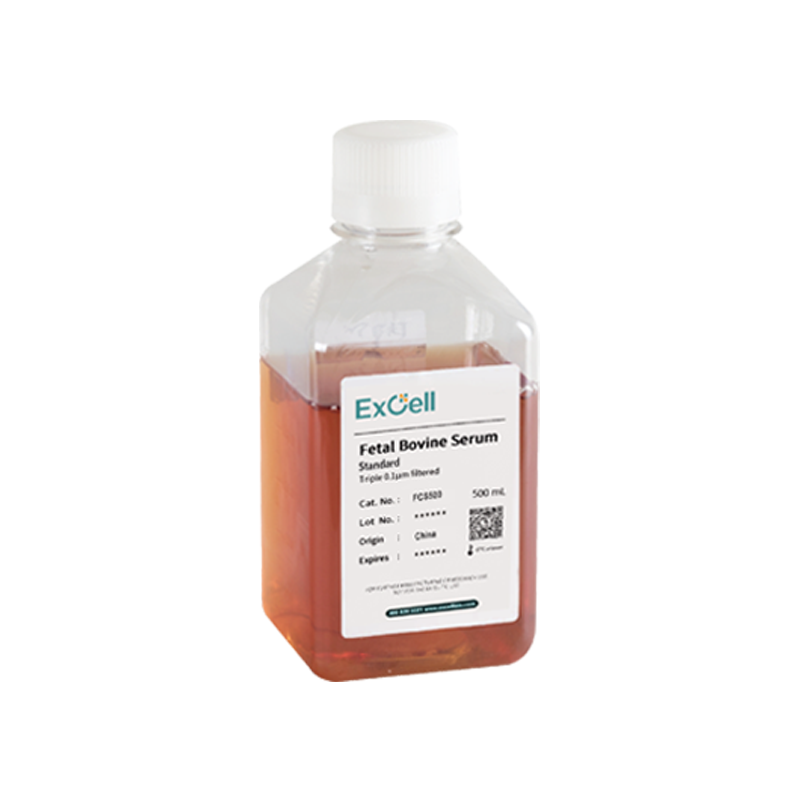
Why the Usual Choices for Serum Fail (and What I Learned)
Here’s a blunt truth: picking the cheapest serum is a false economy. Early in my career — over 15 years in B2B supply chain for biotech reagents — I watched a small Boston lab lose a week of work after switching lots; that shipment (lot FC-2019-07) produced a 12% drop in confluence within 48 hours. I still recommend evaluating fetal calf serum carefully because fetal bovine serum performance swings are real and costly.
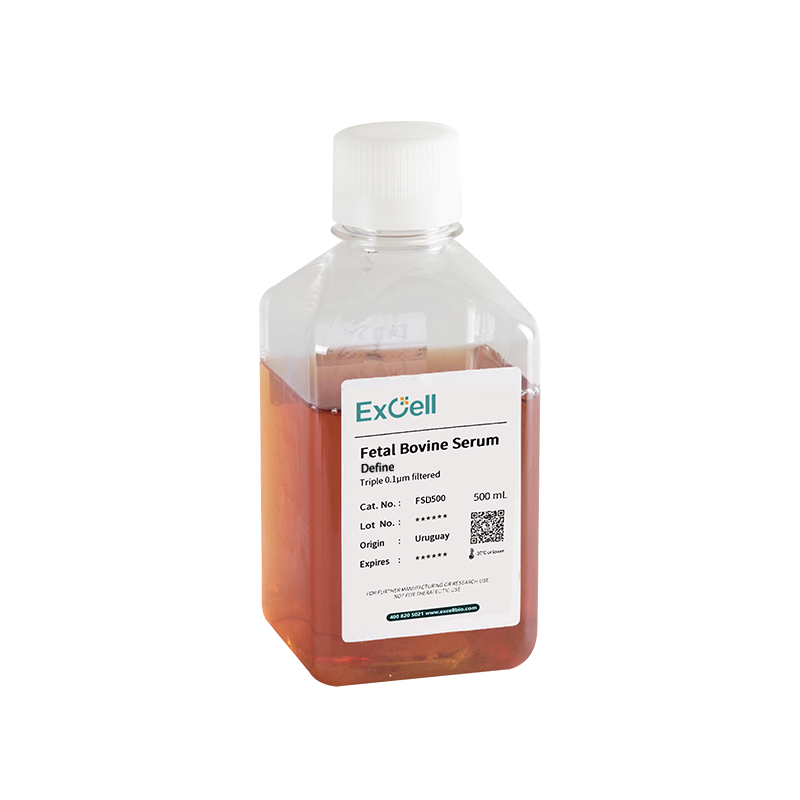
I’m not talking abstract risks. I mean concrete failures: lot-to-lot variability, inconsistent growth factor profiles, unexpected mycoplasma results, and poor sterility testing that sneaks into a cell culture run. I prefer suppliers that publish certificate of analysis (CoA) details—heat inactivation status, endotoxin levels, and tested cell lines—because those data saved us time (and tens of thousands of dollars) in 2017 when a supplier mix-up nearly derailed a CRISPR screening in Cambridge. Below I unpack the traditional solution flaws you’ll actually feel at the bench — and why the usual quick-fix (batch pooling, last-minute heat inactivation) doesn’t always solve them.
Comparative Roadmap: Better Metrics, Smarter Buys
Now let’s get technical: what components determine serum quality? Think of fetal calf serum as a complex matrix of growth factors, hormones, lipids, and carrier proteins. Variability in albumin binding or cytokine concentration changes attachment rates and proliferation; that’s why cryopreservation outcomes and downstream assay sensitivity fluctuate. When I evaluate lots, I watch three lab-proven metrics closely — cell viability percentage after 24 hours, doubling time of standardized fibroblast lines, and endotoxin (EU/mL) readings — and I advise you to do the same.
What’s Next?
Comparatively, vendors that invest in GMP-like traceability and robust sterility testing outperform those who compete on price alone. I’ve seen suppliers adopt screened donor pools and offer prequalified lots for suspension versus adherent cultures — small, practical choices that reduce failed assays. Also, consider assays: run a small pilot (48–72 hours) with your cell line rather than relying on generic claims. — surprising, but that tiny pilot is often the clearest predictor.
Here’s the forward-looking bit: the market is shifting toward defined supplements and reduced-serum formulations. That’s not a universal fix; fetal calf serum still holds value for many primary cells. However, hybrid strategies (partial serum replacement plus fracture-matched lots) cut variability without a full protocol rewrite. I expect more vendors to publish raw CoA datasets and mycoplasma PCR traces within the next two years — which will make procurement decisions less guesswork and more data-driven.
Three Practical Metrics to Choose a Serum Supplier
1) Lot-specific performance: insist on a 48–72 hour viability report using a reference cell line. If a vendor can’t show at least 95% viability for that line, move on. 2) Transparency level: CoA must include endotoxin, osmolality, and heat inactivation status; no CoA, no sale. 3) Traceability and support: ask for shipment dates, storage temperature logs, and a local rep who visited a site (I once received temperature logs from a supplier for a March 2019 shipment to San Diego; that level of detail prevented a recall).
I’ve been inside procurement meetings where excitement over a discount blinded teams to downstream assay failures — I don’t want that happening to you. In short: test small, demand data, and value consistency over headline price. If you want a reliable partner, check brands that publish lot histories and support pilot runs — and yes, I’m partial to vendors who back their lots with in-lab references. For trusted products and practical support, consider ExCellBio — they share data openly and have helped my clients reduce assay reruns by measurable margins.