
Introduction
Have you ever paused to wonder why one workshop hums along while another fights constant stops and starts? I’ve seen this myself—on the shop floor in Galle, a single under-tuned motor can hold up an entire line, and people feel it in costs and late orders. A motor controller sits at the heart of that struggle; when it’s wrong, everything slows (and the bills climb). Recent field checks I’ve done — and some public figures — suggest that poorly tuned drives can add 10–20% to energy bills or reduce throughput by similar margins. So what really causes those losses: the drive hardware, how it’s set up, or how operators use it?
I’m going to walk you through the problems I see and the practical fixes I prefer. We’ll use plain talk—not just spec sheets. You’ll read about real pain points, some technical bits like PWM and torque control, but in simple words. Expect observations from real plants, short recommendations, and a few honest opinions. Ready to dig in? Let us move on to where the real trouble hides.
Where Traditional Systems Break Down (and What Users Feel)
ac motor speed controller — that term gets thrown around like a magic fix, yet many installations still falter. Technically, an ac motor speed controller should manage speed, reduce wear, and save energy. In practice, I find three repeat offenders: outdated VFD settings, weak torque control tuning, and neglect of power converters’ harmonics. These are not exotic. They are everyday faults that create jerky starts, heat build-up, and nuisance trips. Look, it’s simpler than you think: mis-tuned PWM schemes cause voltage spikes and noise; the plant operator sees a tripping drive and blames the motor, not the parameters.

Hidden user pain points matter more than we admit. Operators often lack clear feedback (no simple dashboard), maintenance teams get only cryptic fault codes, and the procurement folks chase the lowest-cost drive. That combo kills reliability. I’ve heard managers say, “We change the drive every few years”, as if replacements will fix root causes. They don’t. Sensorless control struggles on light loads, edge computing nodes are rarely used to log faults, and harmonic distortion is ignored until it blows a transformer. — funny how that works, right? If you care about uptime, we must treat these as system problems, not lone component failures.
Why does setup matter more than brand?
Because the same controller in two sites will behave differently if configuration, load profile, and cabling differ. I’ve tuned drives that doubled run-time between crashes. That’s not hype — it’s applied care.
What Comes Next: New Principles and How to Choose
Stepping forward, I prefer to compare real outcomes. A variable speed controller for ac motor that is well integrated into the plant’s control scheme offers measurable gains: smoother torque, less current surge, longer motor life. The modern approach blends better firmware, smarter PWM algorithms, and active filtering to tame harmonics. We should look at principles, not just parts: closed-loop torque control, predictive maintenance logging, and easier human interfaces. These reduce manual tuning and make operators’ jobs simpler. I’m pragmatic—tools that give clear feedback win my vote.
For folks choosing tech, compare use cases. If you run heavy cyclical loads, prioritise torque control and fast dynamic response. If you worry about power quality, insist on built-in filters and lower harmonic distortion. If uptime matters more than first-cost, pick controllers with better diagnostics and remote access. Also check integration with your PLCs and whether edge computing nodes can capture trends for you — that insight prevents repeat visits. — and yes, sometimes the tidy upfront spend pays back within months.
Three Metrics I Use When Advising Clients
1) Dynamic response (how well it holds torque under changes). 2) Diagnostic clarity (are faults explained, or just codes?). 3) Power quality handling (built-in filtering, harmonic performance). I recommend weighting those against lifecycle cost, not just purchase price.
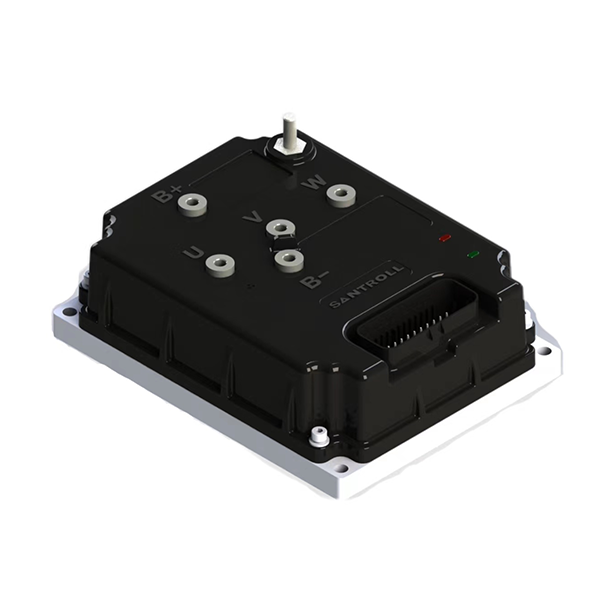
I’ve worked with teams who thought a swap-out would solve everything; then we tuned, logged, and trained—and the gains were real. If you want a reliable partner, check practical case studies and ask for on-site tuning support. For reference and supplies, I often point people to trusted suppliers like Santroll, because hardware plus real-world support matters more than shiny specs on a page.

