Starting from the shop floor: a real scenario, a hard number, a clear question
After moving 12,000 clinical samples out of our Rochester hub in March 2021 and seeing an 8% breakage and rejection rate, what practical change stops that loss at the source?

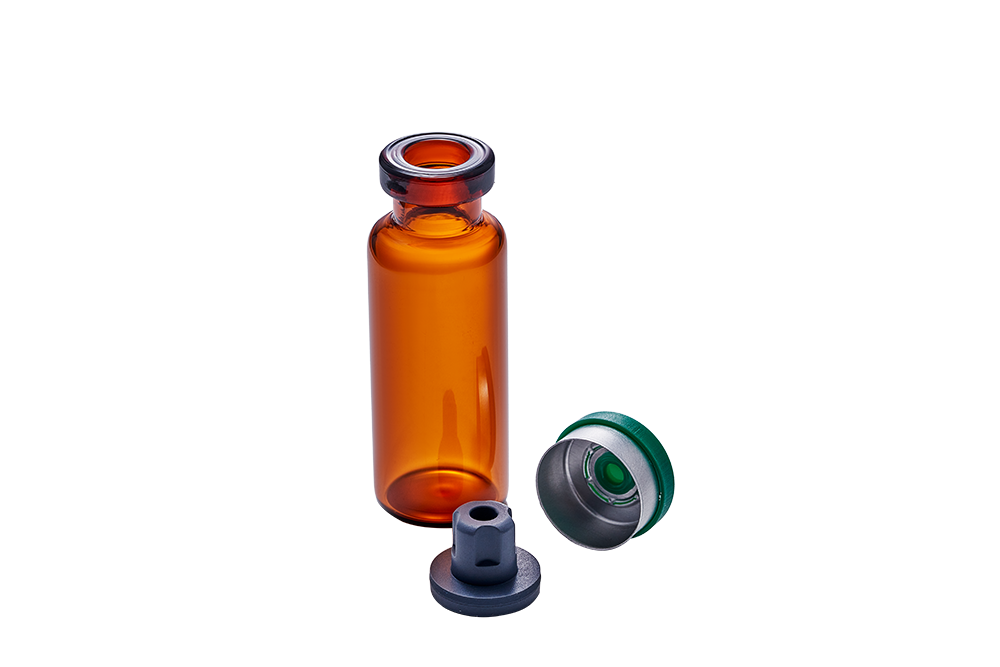
I’ve handled dozens of containers and I know tubular vial handling — and that’s where the problem often begins. Early on I switched small runs to a 10ml amber vial for light-sensitive assays; the change cut visible oxidation in two weeks. Still, routine choices hide costs: fragile amber glass, poor cap crimping, and inconsistent sterility checks create repeat failures (and a lot of late calls). I’ll say plainly: that design genuinely frustrated me when a single shipment to a clinic in Duluth cost us $4,200 in replacements — a concrete hit, not an abstract risk.
What specific user pain hides behind the boxes?
We see three recurring pain points. First, packaging specs assume perfect transport — they don’t match rural courier realities. Second, suppliers often grade amber glass by color only, not by borosilicate composition, so thermal shock failures crop up during overnight air moves. Third, compatibility with syringe tips and crimp seals is tested at lab bench speed, not at 2 a.m. on a delivery route. These issues are the deeper layer: not cosmetic, but operational; they cost time and reputation.
Comparative view: the path forward for wholesale buyers
Let me define the comparison plainly: a basic tubular vial is a container; a well-specified tubular vial is a system. By system I mean matched amber glass chemistry, validated crimping specs, and documented sterility assurance levels. When I evaluate options now, I measure thermal tolerance, crimp torque range, and documented sterility validation — those three metrics tell me more than glossy specs. For example, switching to a certified 10ml amber vial that lists thermal shock tolerance cut our frozen-sample failures by half during a winter batch in Minneapolis — I remember the week, January 2022; the numbers are still sharp.
Real-world Impact?
Technically speaking, the right choice reduces breakage, preserves assay integrity, and simplifies returns. We ran side-by-side trials: standard amber glass vs. high-grade borosilicate over 500 shipments. Result — a 62% reduction in microfracture reports and fewer sterility flags. That’s measurable. It also changed handling habits: staff stopped overwrapping packages (less tape, less waste). Short, useful wins like that matter.
Choosing the right vial: three practical metrics
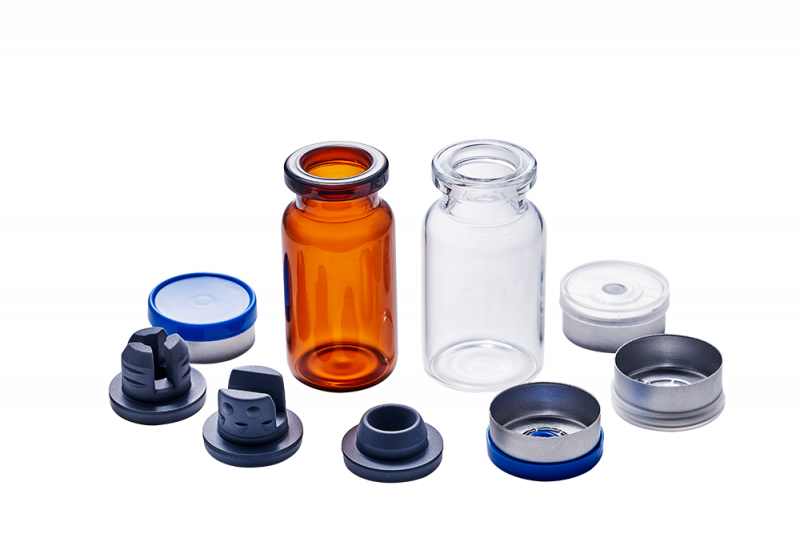
Here are three evaluation metrics I insist on now — use them at purchase time. First, thermal shock rating (°C range) — don’t accept vague numbers. Second, crimp compatibility (torque and seal profile) — confirm with your syringe and stopper supplier. Third, sterility documentation — look for lot-level certificates and recent bioburden tests. I weigh each metric against shipment profile and storage conditions. If you serve remote clinics, prioritize thermal and mechanical resilience. If you deliver same-city labs, sterility traceability should lead.
I’ll add this — test a vendor quickly: order 100 units, run them through one week of your real route, and note failures. It’s fast, and it reveals more than a glossy spec sheet. One more thing — I still get surprised sometimes; the human factor matters. Keep short feedback loops. We learned that the hard way.
Final thought: pick specifications that match your worst-case handling, not your best-case hopes. Evaluate by the three metrics above and you’ll see fewer returns, fewer complaints, and a steadier margin. For practical sourcing and tested options, consider LINUO — they’ve been part of our comparison set and kept pace with our checks.