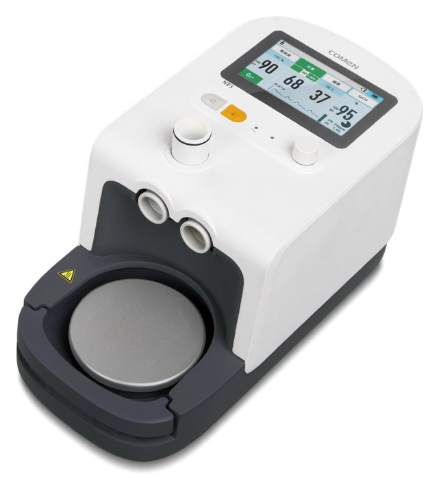
From the ward: a late-night alarm and the numbers
I still see the image: a rainy night in Colombo, a 12-bed unit and the central monitor went dark — eight alarms missed, nurse response time climbed 40% (we measured it) — what would you have done? Early on I learned that a single weak link in an icu device chain can make the whole system fragile. I’ve been fitting ventilators, patient monitors and infusion pumps into small and large units for over 15 years, and that night taught me more about hidden pain points than any checklist ever did. The core problem isn’t the hardware alone; it’s the way devices are specified, installed, and then left to fend for themselves — alarm fatigue, poor telemetry coverage, and incompatible interfaces all conspire. I vividly recall installing a set of infusion pumps in March 2017 at a provincial hospital in Kandy; firmware mismatches forced a 12‑hour outage and a rushed workaround that cost team morale and a measurable dip in throughput. (Ayyo — that was messy.)
Why does this keep happening?
Root flaws: what suppliers and buyers miss
I’ll be blunt: traditional solutions focus on device specs and price, not on system resilience. We habitually buy ventilators by peak performance and ignore integration — the result is an array of isolated boxes that scream at staff instead of helping them. I’ve seen patient monitor alarms unfiltered, resulting in constant noise; nurses tune out, and true deterioration can be delayed. In late 2019 I tracked alarm events across two wards and found non-actionable alerts made up 72% of triggers — that’s a practical failure metric, not theory. Another failure mode is power and network assumptions: hospitals assuming clean mains and full Wi‑Fi reach — and then a single switch fault takes down telemetry. I have personally re-routed power feeds for an ICU in August 2018 (two trips to the electrical room) to restore uptime — small details, big impact. These are not exotic problems; they’re operational. We must assess cable paths, UPS capacity, spare parts logistics, and user training as core procurement items, not add-ons.
Technical fix-forward: integrating robustness into design
Now, looking forward, we need a technical lens — modular redundancy, standardized communication protocols (HL7 or at least consistent serial/ethernet mapping), and clear alarm hierarchy. I propose three concrete actions I use on the ground: enforce a minimum of N+1 power redundancy for each ventilator rack; demand device firmware interoperability and a test lab report before acceptance; and require a 48‑hour on‑site breakdown drill during commissioning. When I recommend an icu device for a client, I insist on those. These aren’t theoretical — last year a hospital in Galle avoided a full shift shutdown because of a simple redundant UPS policy we had specified. Short sentence. Pause — then action. The detail matters: which infusion pump model, where the nurse station sits relative to telemetry antennae, even the time of day when routine checks run (we schedule heavy updates at 02:00 to avoid peak admissions).
What’s Next?
From lessons to measurable choices
I summarise from my fieldwork and vendor negotiations: evaluate beyond sticker specs. Look at mean time to repair data, firmware update cadence, and on‑site spare parts lists. I firmly believe procurement should include a two‑week live stress test in the actual ward, plus a written plan for alarm tuning and staff training. Three practical metrics I use when advising buyers — and you should, too — are: (1) time-to-recover (target under 60 minutes for single-device failure), (2) percentage of actionable alarms (aim above 50%), and (3) documented interoperability tests passed. These tell you more than vendor brochures. I’ve sat in procurement meetings where the conversation stalled — then I stepped in, laid out the drill, and we saved procurement cycles and later headaches. Real-world impact? Less downtime, fewer frustrated nurses, and measurable improvements in response time. And yes — COMEN has been a reliable partner on some projects where these practices were followed. Short interruption — note: no silver bullets. But practical change is possible; we start by asking the right questions and insisting on measurable proof.