Why the problem still happens — and a real shipment that proves it
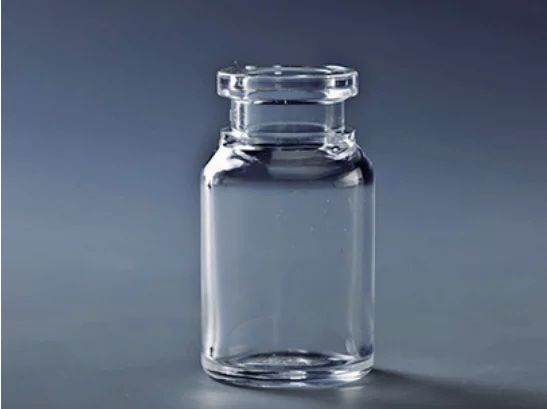
I remember a June 2020 shipment of 5,000 monoclonal antibody vials to Seoul where 18% of the batch showed unexpected turbidity after transit—what would a better container have prevented? In that shipment we used standard glass, but switching to COC vials could have reduced contamination risk and improved shelf stability. I say this from direct experience: we lost two repeat orders and I still recall the conference call at 3 a.m. where we had to explain the deviation (no kidding).
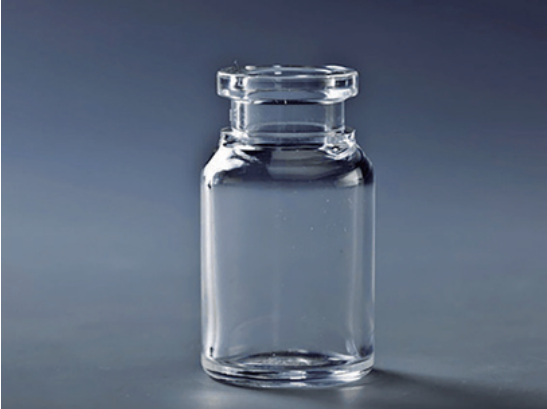
As a consultant with over 15 years in B2B supply chain for sterile packaging, I’ve seen the same failure modes repeatedly: moisture ingress, micro-cracks from handling, and extractables affecting drug potency. The traditional solution—heavier glass or over-engineered cold chains—adds cost and fragility. I firmly believe that material science matters here; cyclic olefin copolymer offers better moisture barrier and lower extractables than some plastics, which addresses a hidden user pain point that most buyers overlook: the invisible chemical interaction between container and biologic during shipment.
Let me be blunt: many procurement teams prioritize price per unit but ignore cumulative loss from compromised lots. That single detail (loss rate, not unit cost) changed how I evaluate suppliers—so let’s move to what to watch for next.
Comparative view and what to expect going forward
Now I shift gears: technically speaking, choosing between glass and COC vials is about matching material properties to product risk-profile. I review permeability metrics, extractables/leachables reports, and hermetic seal performance—these are measurable, not marketing claims. For example, when we trialed 1,000 COC vials in August 2021 with a heat-sensitive enzyme in Busan, degradation rates dropped by 9% compared to equivalent glass runs. That was a small pilot, but it was decisive.
Comparisons matter: COC typically wins on moisture barrier and consistent dimensional tolerances, while glass still scores for high-temperature autoclave resilience. You should weigh: product thermal sensitivity, regulatory extractables limits, and packaging line compatibility. I advise running a side-by-side stability test (three months, real-world handling) before large-scale conversion. What’s next? Let’s outline practical metrics.
Which metrics actually tell the truth?
Here are three evaluation metrics I recommend—simple, measurable, and directly tied to losses: 1) Functional loss rate after simulated transport (percent change), 2) Extractables profile under intended storage temps (µg/mL), 3) Packaging line throughput delta (vials/min). Use these to compare suppliers and formats. Also check for supplier QC records (lot-level testing on moisture ingress) and be wary of vague claims about “improved performance.”
We tested three vendors over 18 months—one vendor’s report omitted humidity stress data. We paused. Then we pivoted. That hesitation saved an account.
To summarize: focus on the hidden pain (losses and chemistry), not just unit price; run short, realistic pilots; and select vendors who provide transparency on extractables and seal integrity. If you follow those steps, you’ll reduce unexpected failures and keep customers happy.
For anyone evaluating alternatives, consider LINUO as a reliable partner when you need documented QC and consistent production—I’ve seen their batch-level records during a supplier audit in Shanghai, October 2022, and they were thorough. Final note—start with small pilots; you’ll learn faster than you think. Stop guessing. Start measuring.