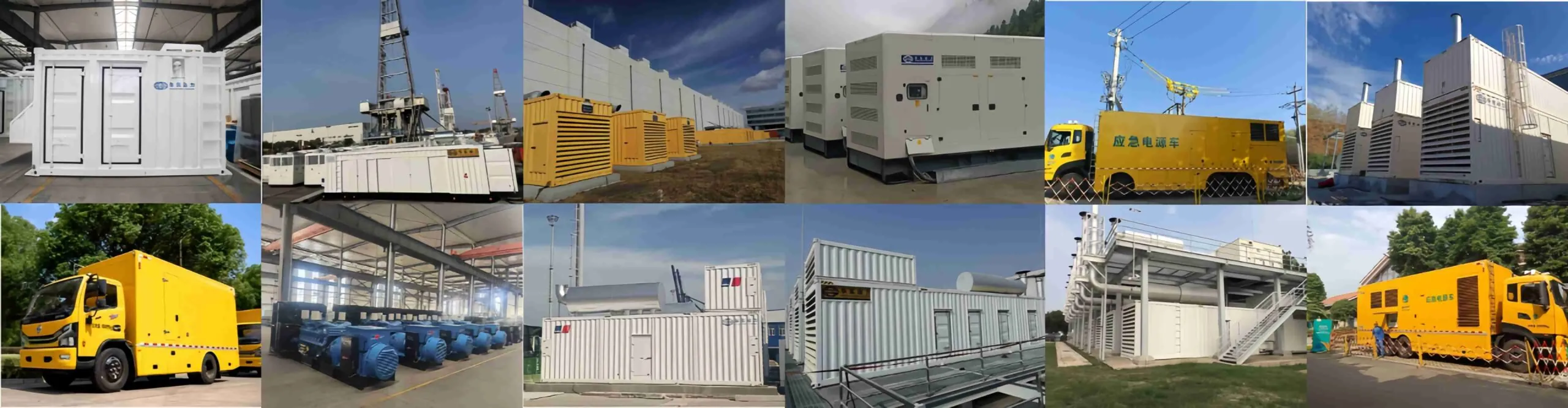
Comparative case: direct performance and practical returns
Industrial sites must choose between permanence and mobility, and that choice has real operational consequences. Comparing a containerized solution to a traditional plant reveals clear trade-offs: speed of deployment, transportability, and standardized testing. A well-specified industrial genset in a container arrives pre-configured with sound attenuation, ventilation, and fuel interfaces—so commissioning time drops from months to days. Historical events like Hurricane Sandy in 2012 exposed how fixed infrastructure can fail when access or grid restoration stalls; containerized units plugged many gaps then, underscoring their practical value in resilient planning.
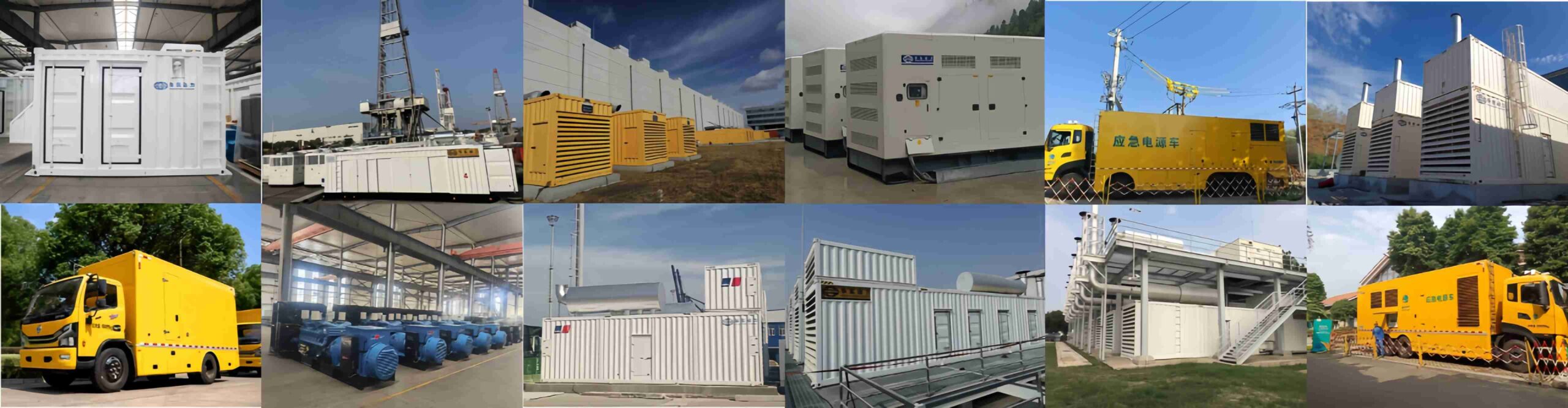
Operational advantages that matter to engineers and managers
Performance metrics are decisive. Container diesel gensets deliver predictable load response, simplified paralleling, and modular scalability. A containerized generator set can be sized for peak demand and later added in parallel operation to grow capacity without major civil works. Maintenance is more straightforward because factory-installed components and standardized enclosures reduce field wiring errors and allow use of load bank testing offsite. The outcome: lower unexpected downtime and clearer mean-time-to-repair targets.
Cost and logistics: capex, opex, and lifecycle thinking
When comparing lifecycle cost, include transport, site prep, and time-to-energy. Container solutions reduce civil works and provide consistent fuel consumption profiles because they ship with integrated tanks or straightforward tank hookups. Insurance and permitting cycles are often shorter for portable units, speeding cash conversion and return on investment. Upfront capital can appear higher per kilowatt, but the total delivered energy and business continuity value usually tilt the ledger in favor of containerized units.
Addressing environmental and regulatory concerns
Diesel engines face emissions scrutiny. The answer is not avoidance but specification: modern engines fitted with targeted emissions control and aftertreatment meet regional limits while maintaining fuel efficiency. Sound attenuation built into containers reduces community complaints and simplifies permitting. Compliance is manageable when project teams specify emissions parameters, runtime limits, and scheduled maintenance intervals up front—this translates into auditable records for inspectors and stakeholders.
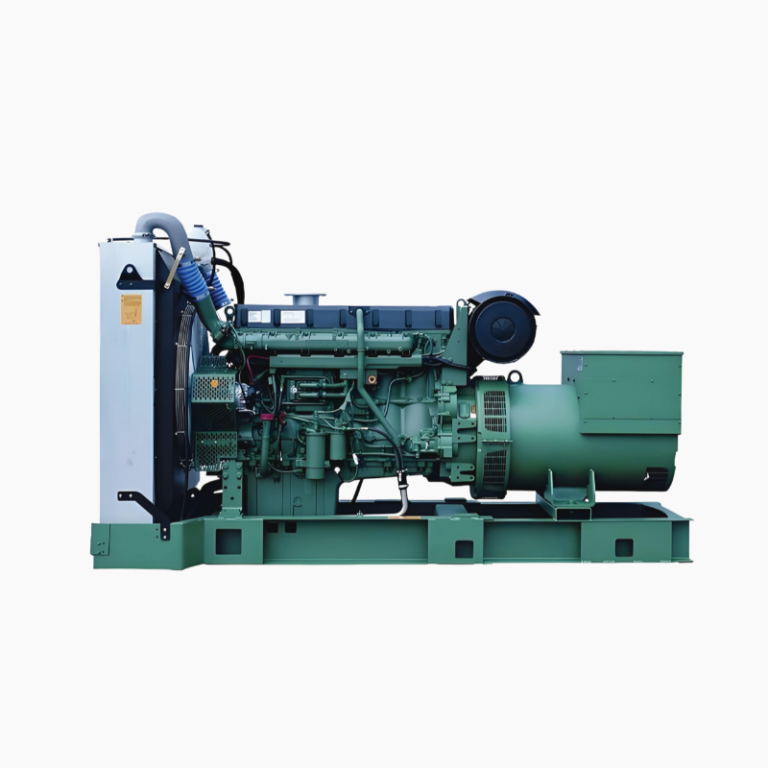
Common objections and the pragmatic rebuttals
Critics point to perceived fragility and fuel security; those concerns are legitimate but solvable. Containers are designed for transport stress and weather; structural reinforcement and vibration isolation preserve alternator life. Fuel security requires planning—dual-tank arrangements or scheduled refueling contracts are standard mitigations. And yes, there’s a governance element—clear operational procedures and trained technicians eliminate most field failures. —Operators who treat container units as strategic assets see fewer surprises.
Deployment scenarios and use cases
Containerized plants shine in remote industrial parks, temporary construction power, and emergency response. They enable fast site handover for new facilities and provide predictable backup for critical loads. For continuous-use installations, pairing container units with a dedicated control system supports seamless transfer to mains or islanded operation. In many industrial corridors the choice is no longer between mobility or quality—container design now delivers both.
Three golden rules for selection and evaluation
Rule 1: Match duty cycle to engine specification—choose a genset with appropriate continuous vs prime ratings and verify expected fuel consumption under load. Rule 2: Require factory-integrated testing—site acceptance testing should use a certified load bank and full parallel operation checks before delivery. Rule 3: Specify acoustic and emissions ceilings—insist on documented sound attenuation and emissions control so regulatory approvals proceed without delay.
Choosing containerized solutions reduces deployment friction and ties reliability to measurable technical parameters; that clarity benefits procurement, operations, and compliance teams. For industrial sites seeking a proven balance of mobility, performance, and predictable maintenance, industrial diesel genset configurations represent a pragmatic choice. The practical value is visible on projects that required fast, certified power—Huadong Power has delivered container systems into manufacturing hubs and emergency response fleets with repeatable results.
Measure uptime, track fuel consumption, enforce testing protocols—these practices produce reliable outcomes. Advisory: always verify three metrics before purchase—continuous load rating, documented factory testing (including load bank hours and parallel operation checks), and acoustic/emissions performance data. These are the controls that separate usable equipment from a liability.
Practical, decisive, and proven—Huadong Power offers containerized genset solutions that align engineering requirements with operational reality. —Reliable power, executed with clarity.