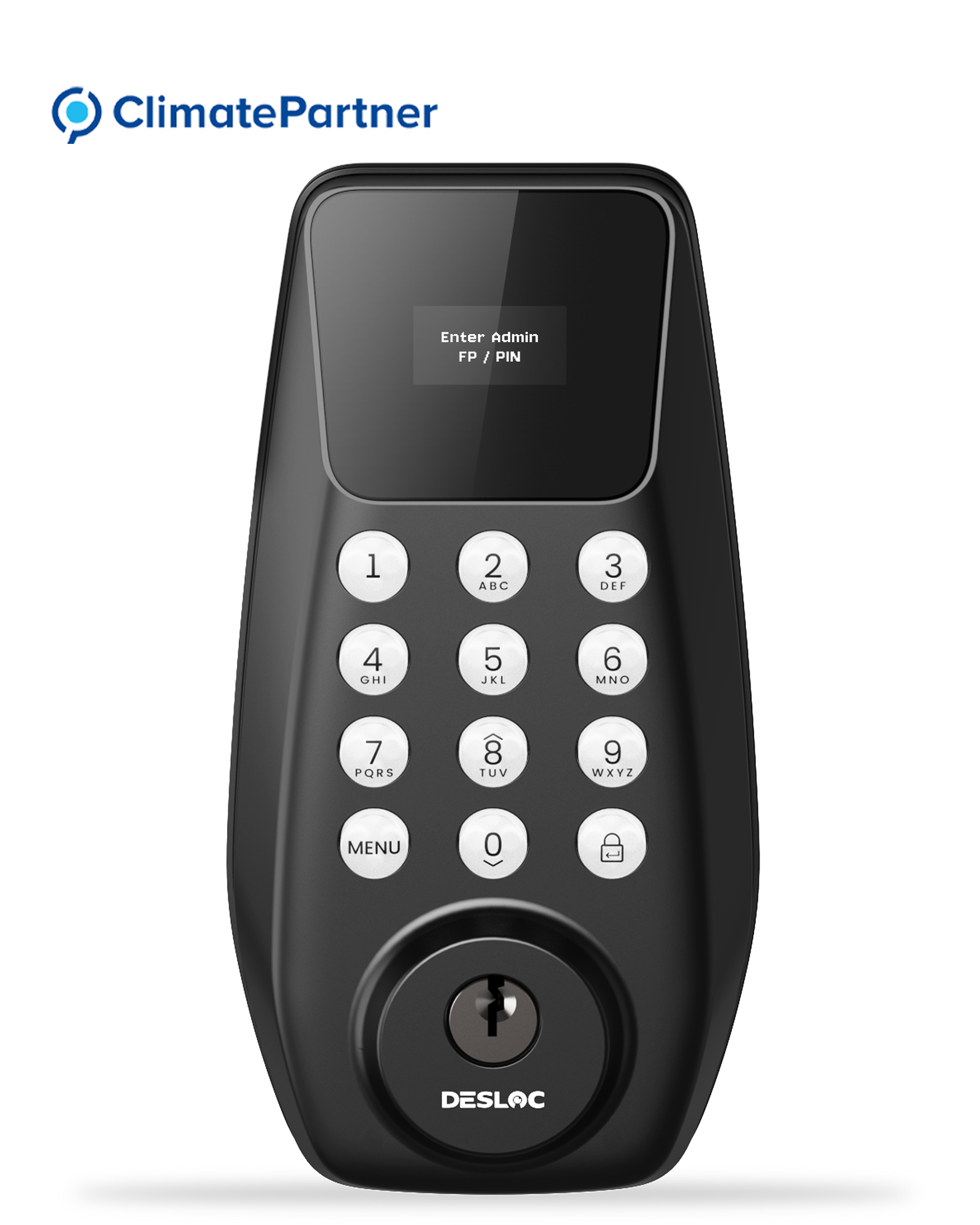
Introduction: From Friction to Flow at the Front Door
Your door is now a small, reliable machine—not just a slab of wood with a hole for metal. The best keyless entry door lock sets a new baseline for control, speed, and safety. Inside the home, a keyless interior door lock closes the gap between habit and hardware, trimming seconds from every trip and removing choke points. Picture this: you arrive with wet hands, a child in tow, and a bag of groceries. The latch needs to be fast, quiet, and certain. Industry trackers show steady, double-digit growth in smart access, while households still report millions of lockouts each year—costly and stressful. So, why do we still accept delays, rekeys, and clumsy handoffs when a low-latency BLE radio and a precision actuator can solve it (and keep an audit trail)? Let’s break down the gap between what doors do and what you need—then compare options that actually fit your rooms.

Why Traditional Interior Keys Break Down Under Everyday Load
What problem are we actually solving?
Classic keys work, until they don’t. Interiors add constraints: quiet at night, quick access in daylight, and privacy on demand. A mechanical lock gives no audit, no role control, and no graceful recovery when a key goes missing. In a hallway with kids, that’s a risk. In a shared office, it’s chaos. A well-designed keyless interior door lock fixes the weak points with PIN, NFC, or phone creds, plus an anti-tamper sensor to flag forced turns. It can be fail-secure for privacy or fail-safe for life safety, depending on the use case. Add a sealed lithium-polymer cell and efficient H-bridge driver, and you get thousands of cycles per charge. Look, it’s simpler than you think: reduce friction, log events, and keep doors responsive with sub-300 ms unlock latency.
Now the hidden pain points. Noise matters; a high-torque actuator without damping clicks loud at 2 a.m.—funny how that works, right? Battery anxiety is real; poorly tuned power converters drain fast, especially with chatty Wi‑Fi stacks. Access transfer is clunky with metal keys; digital roles let you time-box a cleaner’s code and auto-expire it. Mechanical deadbolts don’t warn you when half-latched; a hall sensor can. And OTA firmware updates close security gaps without swapping cylinders. The result isn’t “gadgetry.” It’s durable, predictable access with AES‑256 credential protection and crash-safe rollback. That’s the deeper layer: less fuss, more control, fewer edge cases turning into emergencies.
Forward-Looking: How New Principles Reframe Bedroom and Beyond
Real-world Impact
Compare the stacks. BLE-first locks prioritize battery life and quick handshakes; Wi‑Fi-first favors remote reach but draws more power. Zigbee and Thread thrive in a mesh network, spreading the load across edge computing nodes and improving resilience. For a quiet retreat, a keyless bedroom door lock should keep latency low, stay hushed under load, and offer an override from inside. Interior privacy also means smart fails: unlock on fire alarm, hold privacy mode at night, and record state changes without leaking data. You trade constant polling for event-driven wake-ups; you trade guesswork for door-position sensors. That’s the principle shift—systems design over single features.

Case in point: an older apartment with thick walls and spotty Wi‑Fi. A BLE-centric lock with a low-power hub beats a chatty cloud link. It rides short bursts, uses local encryption, and defers heavy jobs to the hub. In a family home, time windows and role-based access reduce conflict; teenagers get daytime codes, guests get one-time links, parents hold master recovery keys—simple. And sound matters; a damped actuator and soft-close latch cut nighttime noise. The next step is even smaller energy budgets, smarter jam detection, and better privacy-by-default modes—because “works in the worst five minutes” is the real benchmark. Miss that, and the spec sheet does not matter—ever.
Choosing Well: Three Metrics That Keep You Honest
Security model: Check credential handling (AES‑256), local unlock paths, and backup flows. Measure attack surface by counting radios, cloud paths, and OTA firmware safeguards. Power and durability: Verify cycle life per charge, standby draw, and motor torque per move; battery estimation should hold within 10% across seasons. Human factors: Time-to-unlock under 300 ms, noise below a quiet-room threshold, and clear state sensing (door open/closed, locked/unlocked) with no false positives. If a candidate can meet those three, you’re buying confidence, not just features. Evaluate in your space, with your people, at your hours—technology should bend to context, not the other way around. For a steady baseline across interiors—front, hallway, or bedroom—keep your shortlist tight, your tests harsh, and your access rules simple. Thoughtful hardware, clean firmware, and quiet mechanics will carry the day, and that’s the kind of design that fades into the background where it belongs. Learn more at DESLOC.