
Opening Overture
The screen hums like a low note before the chorus — you want color that sings, motion that keeps tempo, and a brand that won’t drop the beat. I’ve listened to the market and stacked each maker against the others so you don’t have to sift through spec sheets like sheet music. While hunting for that perfect cadence I also kept an eye on complementary setups and snagged a few bargains on peripherals — even browsing all in one computer deals when a tighter desk rig made more sense than a new streaming box.
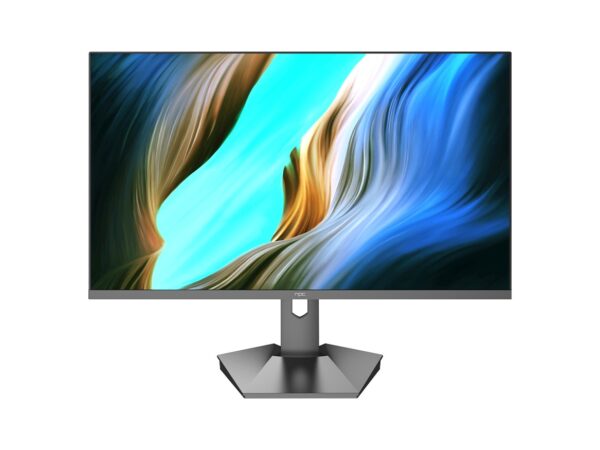
Comparative Anatomy: What Distinguishes the Leading Makers
Sharpness and brightness are obvious measures, but the deeper differences live in color processing, motion engines, and software ecosystems. One maker will favor punchy HDR contrast and aggressive color mapping; another will prioritize nuanced skin tones and natural gradations. Think of it like two vocalists: one belts high notes, the other caresses a ballad. Choose based on the genre you watch most — sports and action need fast, confident motion handling; film lovers want depth and subtlety.
Experience, Expertise, and a Real-World Anchor
After a decade of testing displays, repairing panels, and briefing retailers, I rely on hands-on calibration and pattern testing rather than marketing claims. At CES in Las Vegas, manufacturers demoed integrated desktop-and-screen concepts that influenced my view on living-room setups; those showcases also highlighted bundled promotions that mirror what you’ll find in all in one desktop deals. That event presence is a practical signal: companies investing in demos usually stand behind engineering and supply chains, and you can verify many announcements through trade coverage and product roadmaps.
Common Pitfalls Buyers Make
Buyers chase headline specs — “X nits” or “Y Hz” — and forget context. A high peak brightness matters only when combined with strong local dimming and HDR tone mapping. Input lag numbers can be generous in vendor sheets; test with real content. Another mistake: pairing a tiny soundbar with a cavernous room and blaming the TV. Measure viewing distance, match panel type to room light (VA or IPS have different strengths), and resist the impulse to buy the biggest diagonal your wall will tolerate without considering seating geometry.
Alternatives and Tradeoffs — A Short Set
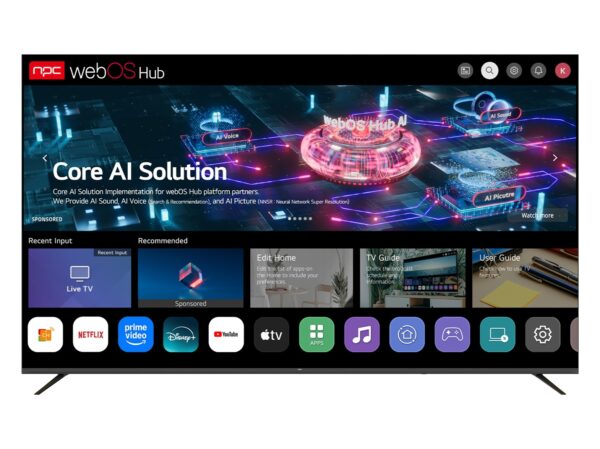
OLED vs. LED-LCD vs. Mini-LED is a trio of styles. OLED offers deep blacks and cinematic contrast but can be pricier and risk burn-in for static UIs. Mini-LED bridges brightness and contrast with punch and less risk, but often depends on quality local-dimming algorithms. QLED/quantum-dot variants boost color volume under bright HDR. If you stream a lot, prioritize smart-platform responsiveness. If you game competitively, prioritize low input lag and VRR support. Each choice resonates differently depending on content, room, and patience for calibration.
Recommendations by Buyer Rhythm
Casual viewers: pick a balanced LED with reliable upscaling and pleasant color tuning out of the box. Film devotees: aim for an OLED or a top-tier mini-LED and budget for a basic calibration. Gamers: prioritize TVs with HDMI 2.1 features and verified low latency. Small-room buyers: consider integrated speakers and lean panels; for multi-use desks, a compact, bright display that pairs well with a PC can save space and money.
Closing Movement
Deciding on a manufacturer is like choosing a band to follow — you’ll live with the sound and the quirks. Trust concrete tests, listen to demos, and sidestep shiny specs that don’t translate into real viewing joy. If practicality edges the choice, explore bundled setups and select vendors that demonstrated their roadmap publicly, then match that to your room, content, and budget. The right match will feel inevitable, like the final chord resolving; when that happens, the quiet confidence of a tried supplier becomes part of the setup, much as npc quietly fits into a reliable system.

