
Introduction — setting the scene
Have you ever paused before handing a wrench to someone working near a fuel line and wondered, “Is this tool truly safe for that environment?” I see that hesitation often on job sites where a single spark can cause a catastrophe. In many industrial settings non sparking sockets are the baseline requirement; recent incident reports show small tool-triggered ignitions still account for a measurable share of near-miss events (about 7–10% in some facility audits). So how do we move beyond labels and verify safety and performance in practice?
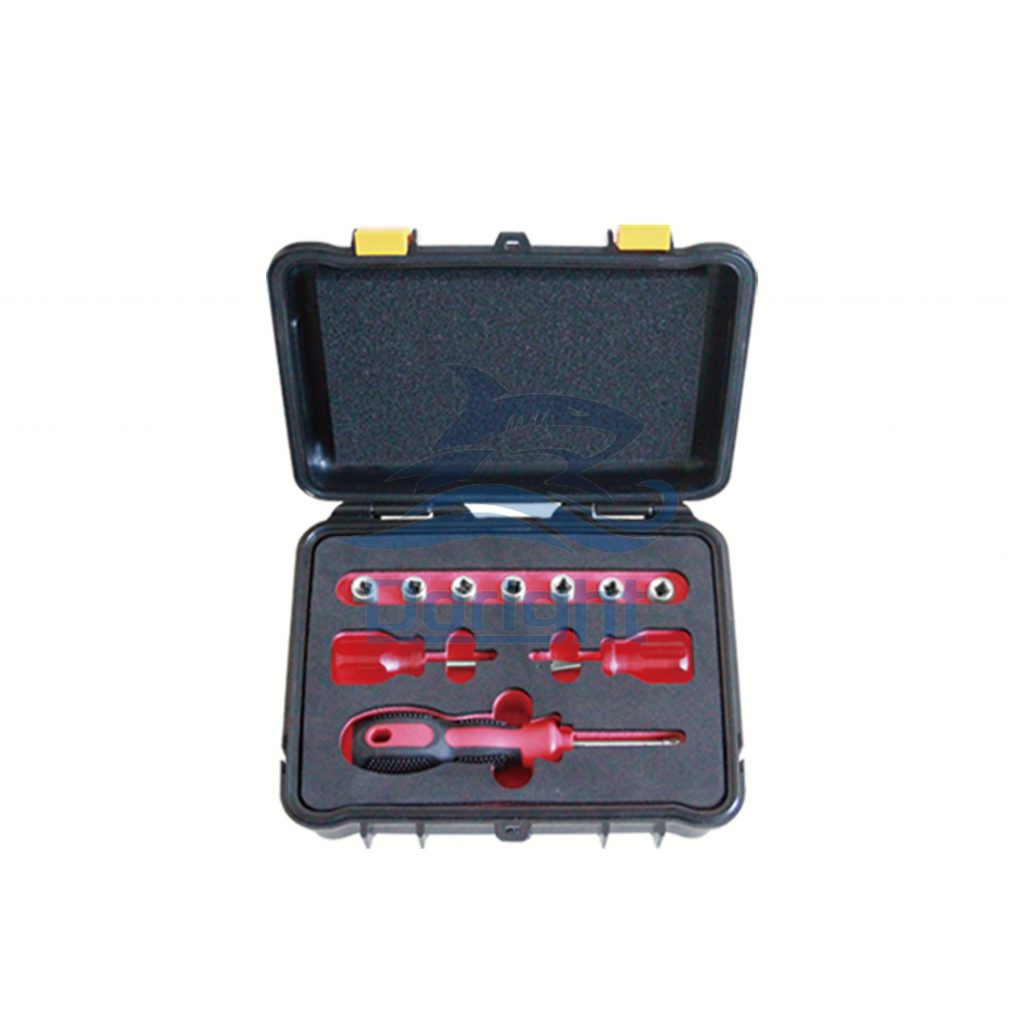
I’ll unpack that with a practical eye — not just theory but the real checks I run when I inspect tools. We’ll look at torque behavior, material choices, and the subtle failure modes that standard specs tend to gloss over — and then I’ll point to better ways to evaluate and choose. Next, let’s dig into the core pain points that manufacturers and users rarely name aloud.
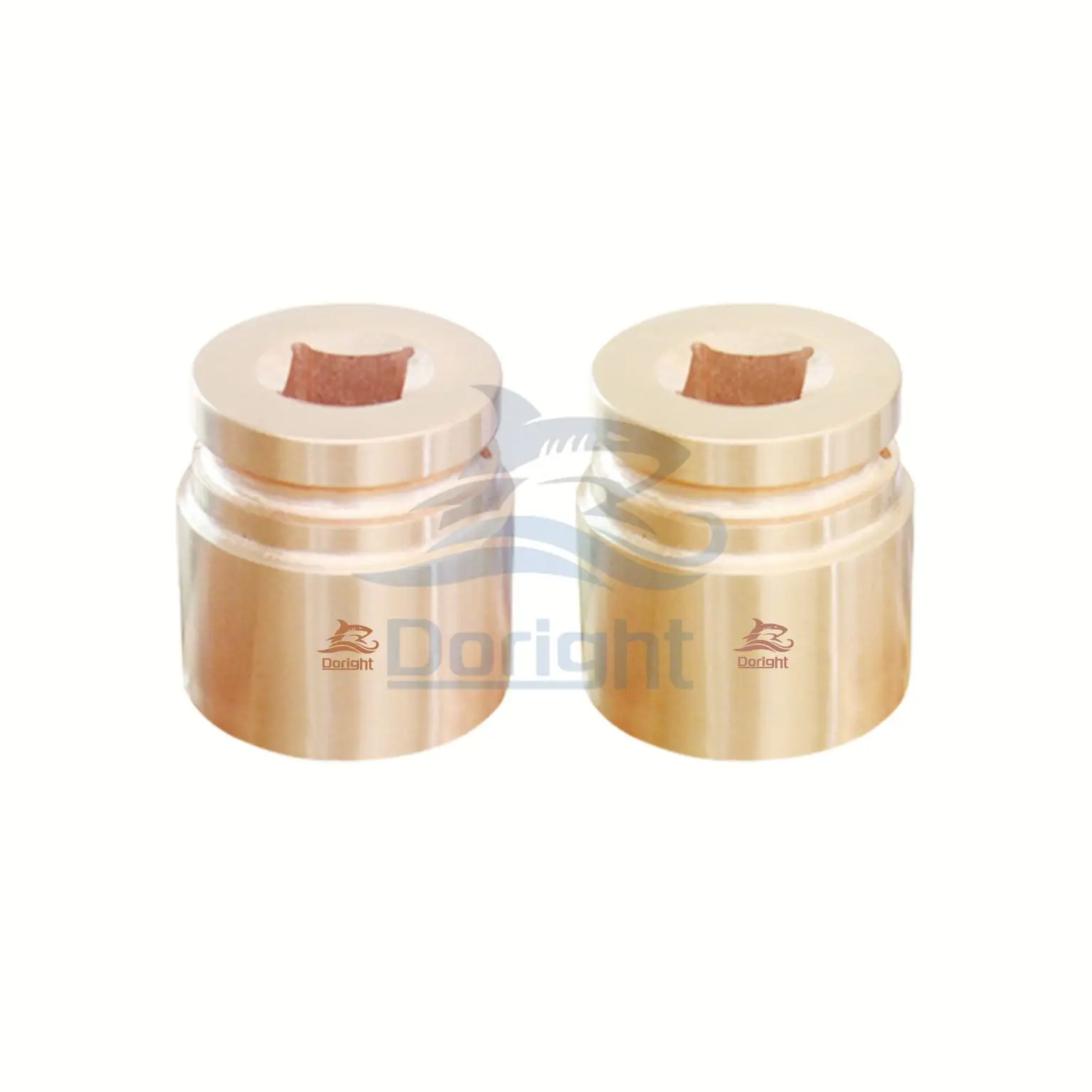
Part 2 — Hidden pain points of the non sparking impact socket set
What are installers missing?
I’ve tested dozens of non sparking impact socket sets in the field, and here’s what I keep finding: the label “non-sparking” fixes one risk but often introduces others. Traditional alloy options (aluminum-bronze, beryllium copper blends) trade higher hardness for lower conductivity or vice versa. That affects torque transfer and wear. Intrinsic safety and explosion-proof ratings tell you about spark risk — but they don’t tell you how a socket will behave under repeated impact loads or in corrosive environments. Look, it’s simpler than you think: a tool that doesn’t maintain torque means more rework, more downtime, and yes — more chances for human error.
Common flaws I see include poor torque control, mismatch with impact driver calibrations, and galvanic corrosion where dissimilar metals meet fasteners. These are not just theoretical. On-site, threads can round off, fasteners can over- or under-torque, and operators end up using makeshift workarounds — which defeats the point of using a safety-rated tool in the first place. I track torque deviation with a handheld torque meter during trials and often watch variance exceed acceptable limits by 12–18% after just a few dozen impacts — funny how that works, right? For facilities with edge computing nodes in maintenance workflows or where power converters run nearby, even small maintenance delays ripple into system uptime concerns.
Part 3 — New technology principles for safer socket systems
What’s Next?
Moving forward, I’m looking at three technology principles that actually change outcomes: material-engineered wear resistance, integrated torque feedback, and standardized impact-driver interface specs. New alloys and composite backings can reduce spark potential while preserving hardness. Torque feedback—either built into the driver or via a paired sensor—lets operators see real-time metrics and catch drift before a fastener fails. And standardizing interfaces prevents mismatch between a “non sparking socket head” and drivers that weren’t designed for them. See the difference? It’s about pairing components, not just buying a part labeled safe.
In practice, I advise comparing candidate sets on measurable metrics (below). Test one socket under the full duty cycle you expect: ambient contamination, repeated impacts, and temperature swings. Note wear patterns and document torque drift. Then simulate the field environment — including potential exposure to fuels or solvents — because galvanic issues often show up only after a few weeks. These tests won’t cost much compared to a shutdown. — I’ve seen companies avert costly incidents by shifting from checklist compliance to results-driven validation.
Closing — practical metrics to choose the right solution
Here are three evaluation metrics I use and recommend: 1) Sustained torque fidelity — measure torque before and after 100 impact cycles; acceptable variance is project-dependent but aim for under 10%. 2) Material compatibility score — check for galvanic pairings and chemical resistance against site contaminants. 3) Interface reliability — verify that socket-driver fit and impact engagement match with no slop under load. Use these, and you’ll make fewer reactive fixes and more lasting choices.
We’ve covered the scene, the hidden problems, and clear principles to move ahead. I prefer tools that prove themselves under stress — not just on paper. If you want practical replacements or certified sets that passed my tests, check options from Doright.

