
Introduction — a quick scene, some numbers, and the question
I remember pulling into a plant parking lot and watching an operator frown at a rattling drive — it stuck with me. As an electric motor manufacturer, I’ve seen those small breakdowns add up: industry surveys show unplanned downtime can eat 5–20% of production hours annually (and that’s no small potatoes). So what’s really behind the repeat failures, and how do we stop them without blowing the budget?

Let me walk you through this in plain talk. We’ll look at real pain points for people on the floor, the technical gaps that hide behind them, and practical ways to pick or build motors that last. Stick with me — I’ll share hands-on observations, not just textbook lines.
Hidden user pain points with custom motors
When teams ask for custom electric motors, they usually mean “fit my machine and don’t fail.” But the deeper pains are often missed. Operators face inconsistent torque, strange noises from rotors, and control lag when inverters and power converters aren’t tuned right. Those are symptoms. The root? Mismatched specs, rushed testing, and assumptions about duty cycles that don’t match shop reality.
Why do folks still get surprised?
Look, it’s simpler than you think: design teams use ideal load curves. Maintenance crews deal with grit and temperature swings. Neither group talks enough. I’ve seen custom designs with tight tolerances that work perfectly in lab conditions but break down after a month because the stator windings overheated from a slightly higher ambient temp at the plant. That mismatch costs time — and goodwill.
Technically, the issue often comes down to control algorithms and thermal margins. If you don’t account for transient loads or poor ventilation, a motor’s insulation life shortens fast. We can map these failure modes by logging vibration, current spikes, and temperature trends. That data points us to the user pain — not just to replace parts but to redesign duty cycles, change cooling specs, or tweak the rotor balance. In short: we fix the workflow, not just the component.
Future outlook for electric motor manufacturing
What’s next?
Moving forward, I see the shift driven by two things: smarter sensors and clearer user input. In electric motor manufacturing, we’re integrating basic condition monitoring right into new builds — simple sensors that watch bearing temps, vibration, and current. When those readings feed into a local controller, we catch a slow drift in torque or a creeping imbalance long before it fails.
Case in point: a line I worked on swapped to motors with onboard diagnostics and modest edge computing nodes. The plant saw fewer emergency repairs because early warnings gave maintenance time to plan. — funny how that works, right? The tech isn’t sci-fi; it’s wiring the motor to speak up sooner. That makes life easier for operators and lets engineers tune control loops (and yes, the inverter settings) from real-world data.
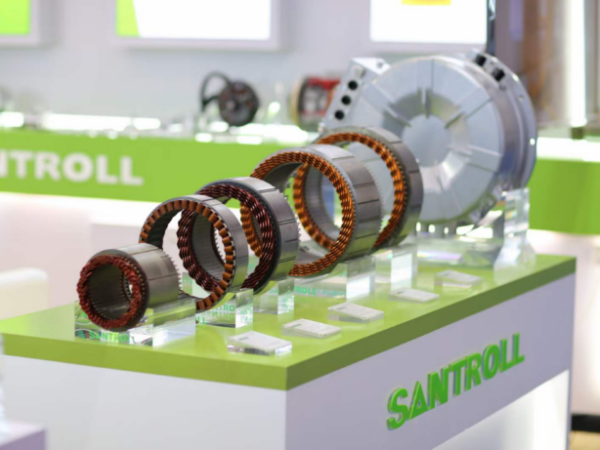
Looking out a few years, I expect modular designs that let shops swap stator modules or adjust winding patterns without pulling a whole motor. That reduces lead times and waste. It also forces suppliers — us included — to adopt clearer spec sheets and better communication channels with plant teams. The result: less guesswork, fewer surprises.
Closing advice: how I’d evaluate solutions
I’ll leave you with three practical metrics I use when vetting motors or suppliers. First, ask for real-world duty-cycle testing data (not just lab curves). Second, require basic condition monitoring — even a single thermal and vibration sensor changes troubleshooting hugely. Third, check maintainability: can an electrician swap a module or adjust control gains without a crane? Those three checks filter out most risky choices for me.
Weighing these will help you pick motors that match the reality on your floor, rather than a spec sheet dream. I’m straightforward about trade-offs: sometimes a custom stator or a heavier-duty bearing is worth the extra cost if it saves a week of downtime later. That’s how I assess value — practical, not theoretical.
For teams wanting a partner who listens and builds to real needs, I recommend talking it through with a trusted supplier. For example, Santroll has helped operators and engineers bridge that gap in several projects I’ve seen up close.

