
Introduction
Have you ever wondered why some people swear by light beds while others see no change? I get that question a lot. The best red light therapy bed can promise faster collagen remodeling, but data shows mixed results—studies report anywhere from 20% to 60% improvement in fine lines depending on protocol and device. So who’s right, and what should you believe?

I’ll argue a clear point: the device matters, and so do the settings. Photobiomodulation isn’t magic; it follows physics. When a bed uses the right LED wavelength and adequate power density, skin cells respond. When it doesn’t, results stall. (There’s nuance — and yes, some brands overpromise.)
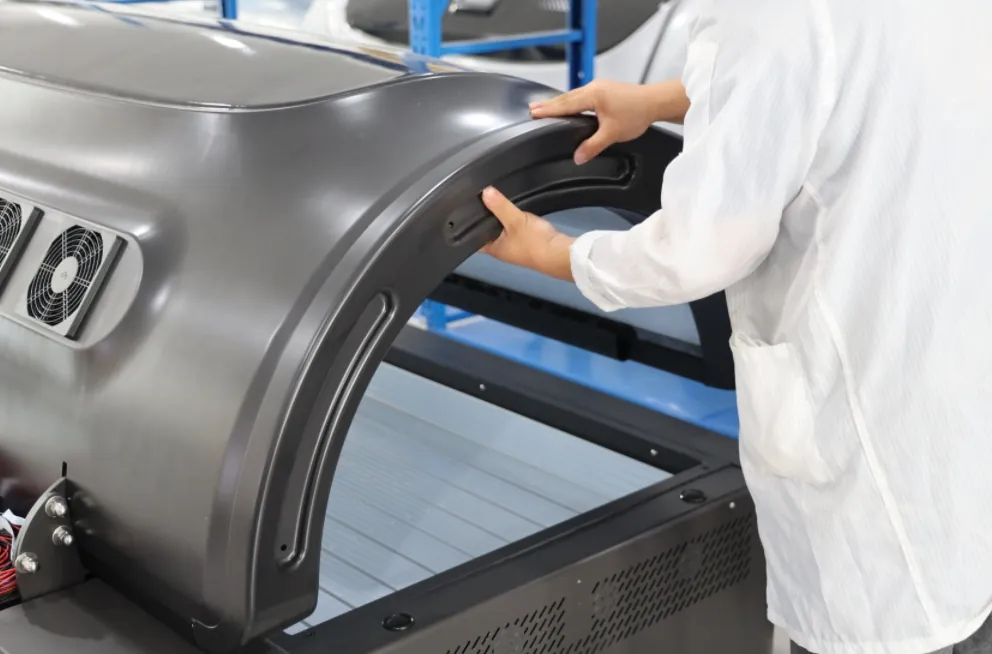
This article compares real factors that separate useful machines from hype. I’ll take a practical view, point out where common claims fall short, and offer hands-on metrics you can use when you shop. Let’s dig in.
Why Traditional Approaches Miss the Mark: Collagen Bed Treatment Flaws
Where do most systems fail?
I want to be direct: many clinics and at-home units skip the core science. If you’re considering collagen bed treatment, check the specs. Too often a bed lists LEDs and run time but hides its irradiance and effective LED wavelength. Without clear irradiance (mW/cm²) and correct LED wavelength (usually around 630–660 nm for red, 810–850 nm for near-infrared), you’ll get half measures. Look, it’s simpler than you think: lamps plus time equals dose. Not all setups deliver the dose.
From my experience, the common faults are predictable. Manufacturers cut costs by using low-output diodes or placing LEDs too far from the skin. Others ignore pulse frequency and heat management, which affects comfort and consistency. These flaws mean lower fluence at the dermal layer and weaker collagen synthesis. Terms you’ll see tossed around—fluence, LED wavelength, power density—matter here. I’ll show you what to ask for and what to avoid.
New Technology Principles for Better Outcomes
What principles should guide your choice?
Moving forward, I focus on technology principles that actually change results. First: consistent irradiance. A good bed maintains uniform power density across the treatment area. Second: correct spectral output. Devices that mix high-quality 630–660 nm red with 810–850 nm near-infrared hit both epidermal and dermal targets. Third: predictable dosing—fluence in J/cm²—so you can replicate sessions. When clinics use collagen bed treatment solutions designed around these points, real progress follows.
Practically, that means better diode arrays, smarter heat sinks, and often closed-loop drivers to keep output steady. I’ve watched newer models add sensors that adjust output over the session—small tech, big difference. Also, manufacturers are experimenting with pulse modulation to boost cellular response with lower average power—interesting, and promising. — funny how that works, right?
Choosing Wisely: Practical Metrics and Final Thoughts
Let me give you three clear metrics I use when evaluating a red light therapy bed. These help cut through marketing fluff:
1) Irradiance (mW/cm²) at skin distance — the higher and more uniform, the better. Measure or request a datasheet. 2) Spectral range — true therapeutic devices list 630–660 nm and 810–850 nm outputs. 3) Recommended fluence (J/cm²) per session and how that fluence is achieved (time × irradiance). If a vendor can’t provide these, I walk away.
Putting this together, I prefer devices that are transparent about specs and provide clinical guidance. They won’t promise overnight miracles, but they will deliver steady improvement in texture and fine lines when used consistently. We should also weigh comfort, session time, and safety features—those matter to long-term adherence. For anyone building a treatment plan, these benchmarks let you compare models honestly.
In short: demand numbers, prefer reputable engineering, and track your outcomes. If you want a reliable partner in this space, I pay attention to suppliers who publish full specs and support practice use—brands that combine engineering with skin science. For a practical source and further reading, check out Magique Power.

