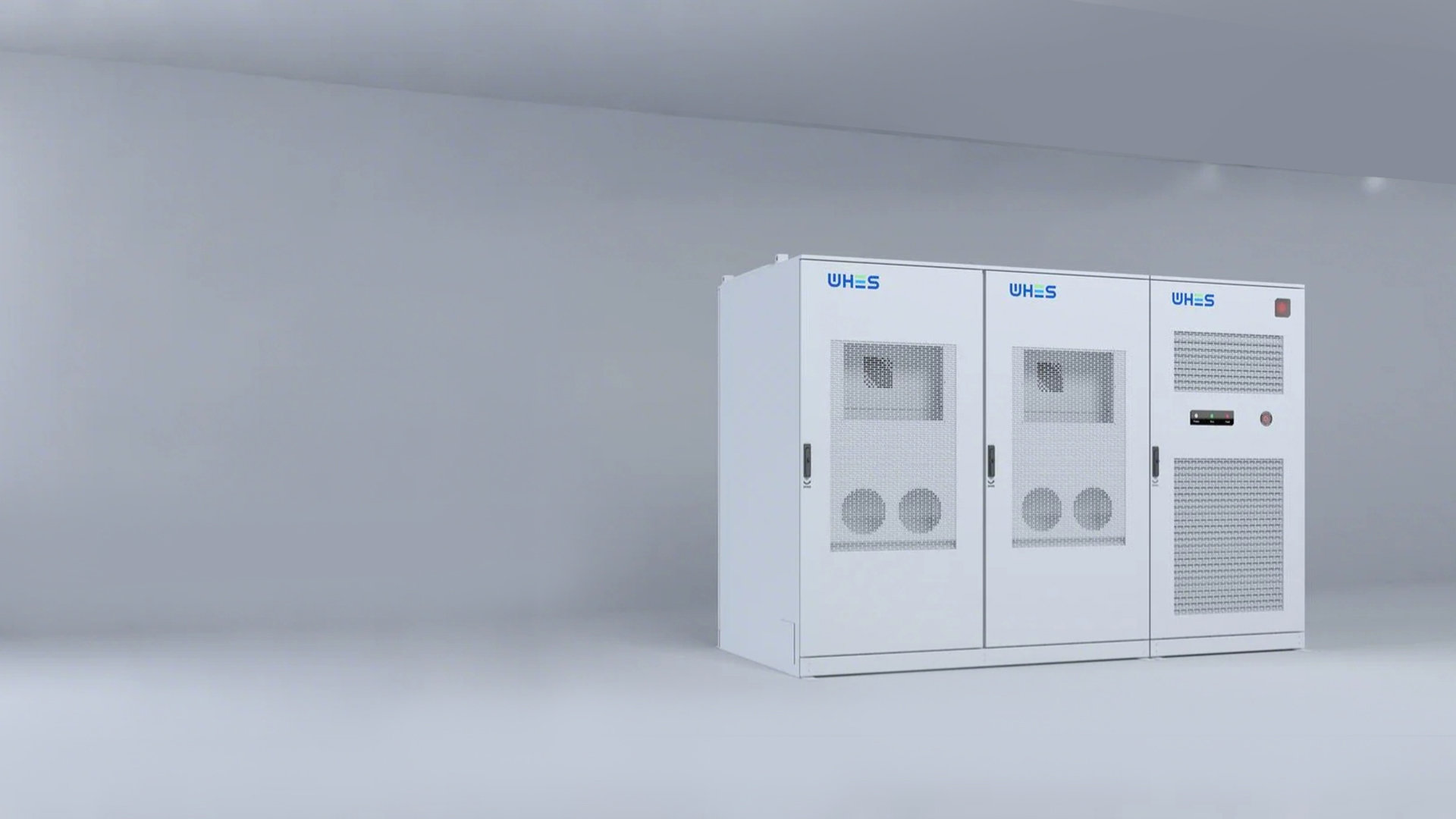
Start here: a friendly map for heavy industry
Think of the grid like a big playground and your factory like the sandbox. We need a plan so the sandbox has power even when swings stop. This short framework shows how to add commercial energy storage step by step. Big events like Winter Storm Uri in Texas (Feb 2021) taught many factories that resilience matters. A good plan uses batteries behind-the-meter to shave peaks, store low-cost energy, and keep lights on when the grid snarls.
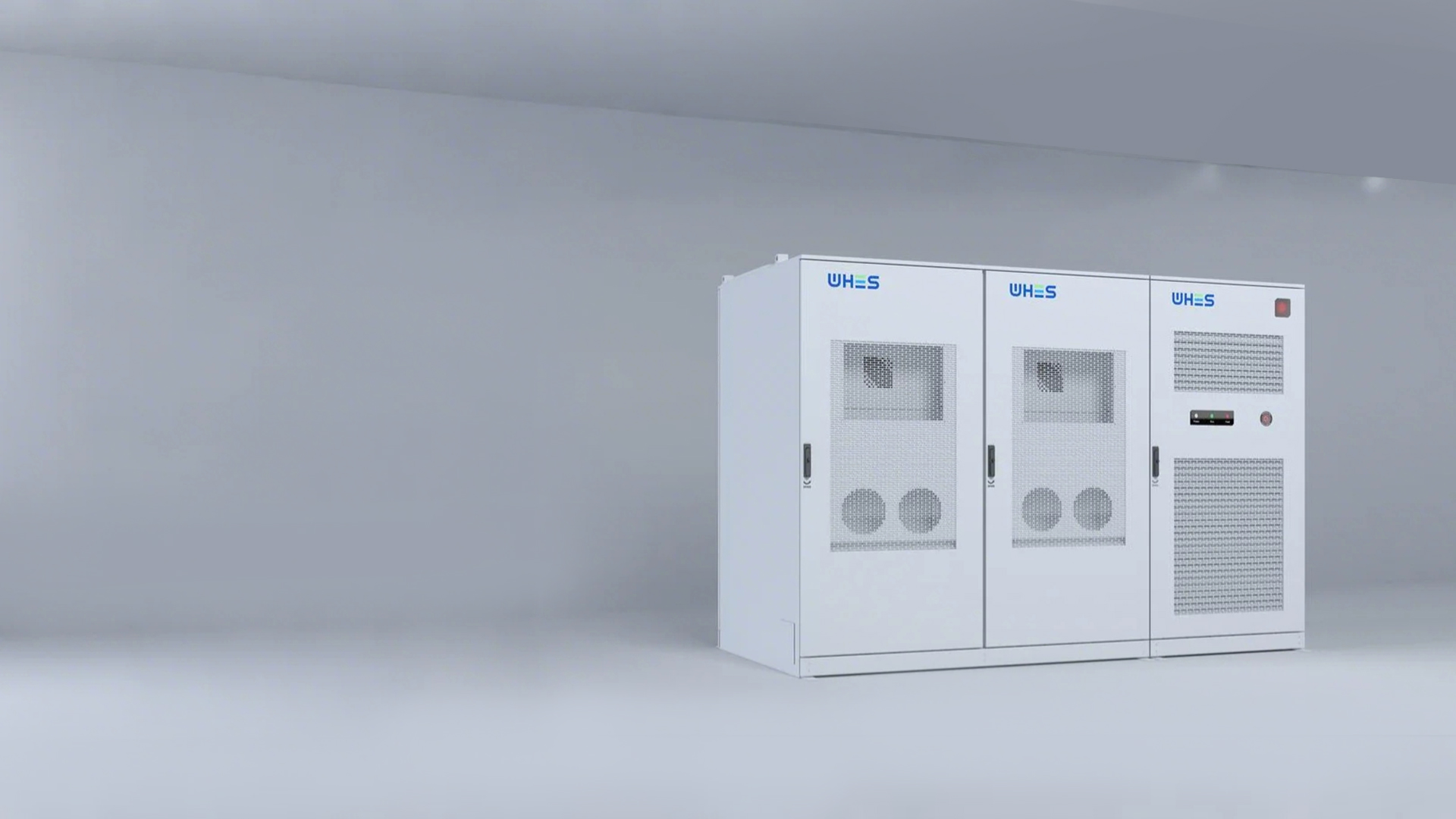
Step 1 — Map the load: know your numbers
First, count how much power you use. Look at daily peaks, night lull, and high-demand shifts. Record kWh and peak kW. This tells you how big a battery you need and whether you want short bursts or long backup time. Simple charts help a lot. If the math looks scary, that’s okay — draw bars and circles. When you plan, you avoid buying too much capacity or too little.
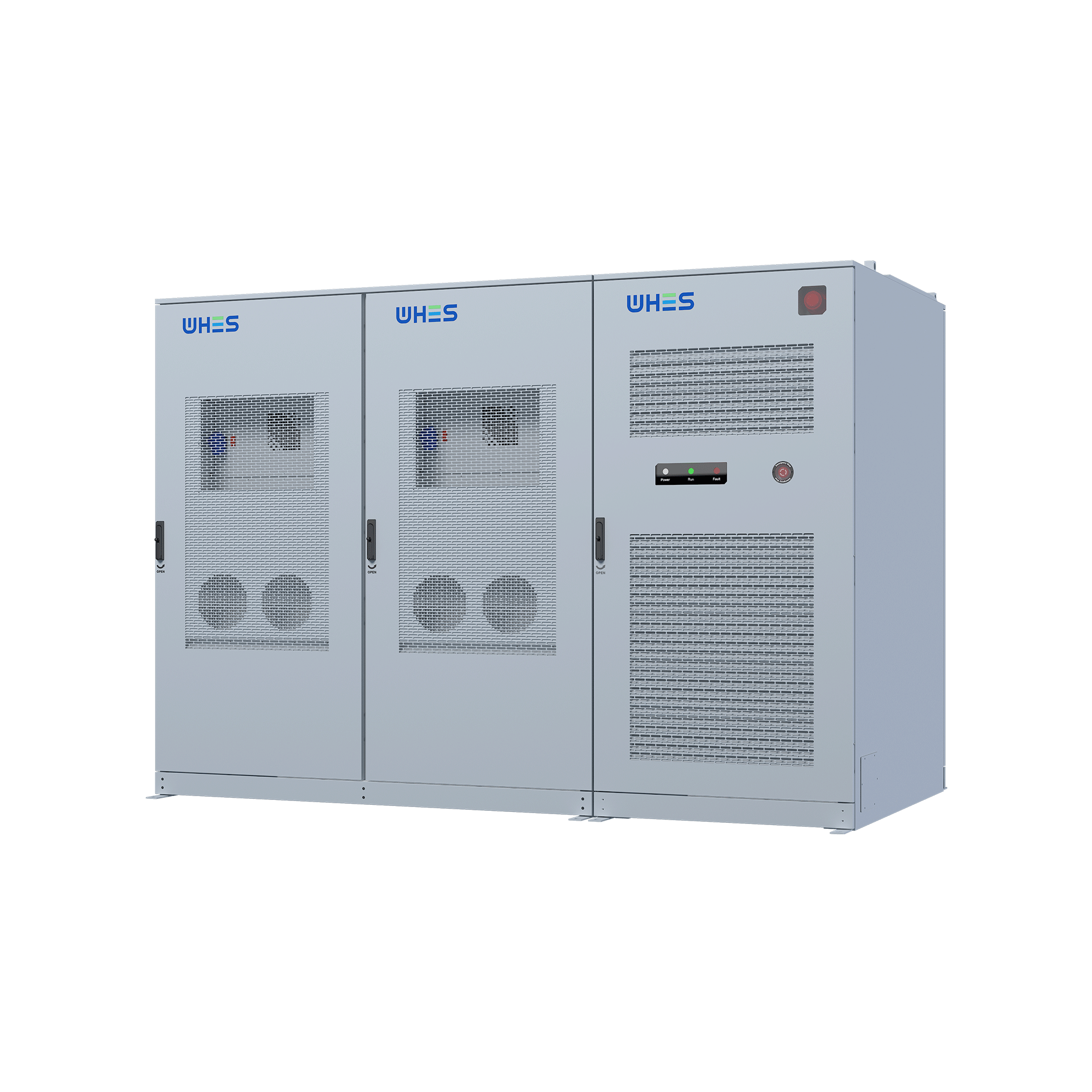
Step 2 — Choose the right battery and controls
Pick chemistry, inverter type, and a control system that match your goals. Some sites want fast power for a few minutes to cut demand charges. Others want many hours for backup and load shifting. That choice decides the battery size and the BESS design. Look for proven industrial energy storage systems with clear specs on cycle life and safety. Ask about inverter compatibility and service contracts — these keep the system humming with fewer surprises.
Step 3 — Make a dispatch plan that pays back
Decide what the battery will do each day. Will it smooth peaks, buy cheap night power, or act as a backup? Test a few modes and measure the savings. Use software to send commands to the battery — smart controls can switch tasks automatically. Monitor results and tweak the plan every month. Small changes add up fast, so keep an eye on both energy and money metrics.
Common mistakes — and how to dodge them
People often forget three things: hidden costs, integration hiccups, and unclear success rules. Tooling or installation fees show up. Controls may not talk to legacy PLCs on the factory floor. And teams sometimes disagree on what “success” means. Avoid these traps by getting written specs, running a pilot with real loads, and agreeing on KPIs before you install. — Also, involve operations early so the new system fits daily habits, not just theory.
Quick comparison: on-site vs. grid services
On-site storage focuses on facility needs: resiliency and bill savings. Grid services (like frequency response) can bring revenue but require fast response and strict rules. Some factories split tasks: reserve a slice of the battery for reliability and lend a small part to grid markets. This hybrid can improve returns without risking critical processes.
Three golden rules for selecting a solution
1) Metric: Value per kW and per kWh — Compare how much peak-kW reduction and how many kWh of usable capacity you get. 2) Metric: Round-trip efficiency and cycle life — Higher efficiency and more cycles mean lower lifecycle cost. 3) Metric: Integration readiness — Check communications (Modbus, OPC), inverter compatibility, and service SLAs before you buy.
Follow these rules and you’ll pick systems that work for both the balance sheet and the factory floor. For heavy industry, real-world partners who deliver tested, safe setups matter — and that’s where reliable vendors like WHES add practical value. —