Starting point: why the comparison matters
Out here, money talks plain — and so do batteries. When a utility or developer looks at a pile of cells and racks, they’re really asking how fast that pile pays itself back. Comparing ownership models and financing structures tells you which path trims effective cost per megawatt-hour. Early wins often come from scale: a well‑engineered utility scale battery storage deployment can shave installation hours, reduce balance‑of‑system waste, and standardize the battery management system that keeps units healthy. The Hornsdale Power Reserve in South Australia stands as a real-world anchor for what large, operational fleets can do when the math lines up — not flashy, just steady revenue and grid value.

The basic math: amortize CAPEX into practical units
Amortization starts with three numbers: upfront CAPEX, expected cycle life, and annual revenue (or avoided cost). Turn CAPEX into a cost-per-kWh by dividing by usable kWh over service life, then layer in replacement reserves. That gives a baseline similar to LCOE but for storage. Round-trip efficiency and capacity factor nudge that baseline up or down — 90% efficiency and predictable cycling beat guesswork every time. Keep the accounting tight: warranties and degradation curves change the denominator fast.
Models compared: ownership, BaaS, lease — what fits?
Lay them side by side and you see tradeoffs. Owning outright lowers lifetime cost if you can manage operations and spare parts. Battery-as-a-service shifts risk to the vendor and smooths cash flow, but adds a margin. Leasing gives flexibility at a higher per‑unit rate. Don’t let the shine of O&M avoidance blind you: third‑party contracts often limit dispatch strategies and revenue stacking. Look at energy density and how modular the racks are — modular systems reduce downtime and let you retire degraded strings without benching the whole site. A good vendor will make those choices transparent.
Operational levers that actually cut the effective cost
There are simple levers with outsized power. Standardize procurement to lower spare-part inventories. Buy extra monitoring now — a clear BMS saves replacements later. Tune operations for income stacking: frequency response, peak shaving, and reserve markets together beat a single-use strategy. Track cycle count against warranty curves so you don’t cross expensive thresholds. And plan for end-of-life — recycling and second‑life markets change salvage assumptions.
Common mistakes folks make — and how to avoid them
People trip up when they optimize for the wrong metric. A few common slips:
– Buying bespoke hardware that raises installation time and service complexity. – Ignoring round-trip efficiency and then expecting full revenue from advertised capacity. – Signing vendor lock-ins that prevent swapping in better cells later.
Keep procurement simple. Standard parts, clear performance clauses, and realistic degradation forecasts beat flashy specs. — Don’t assume every vendor measures cycle life the same way.
Choosing a partner: three golden metrics to weight heavily
When you vet vendors and financing, weigh these metrics more than glossy slide decks:
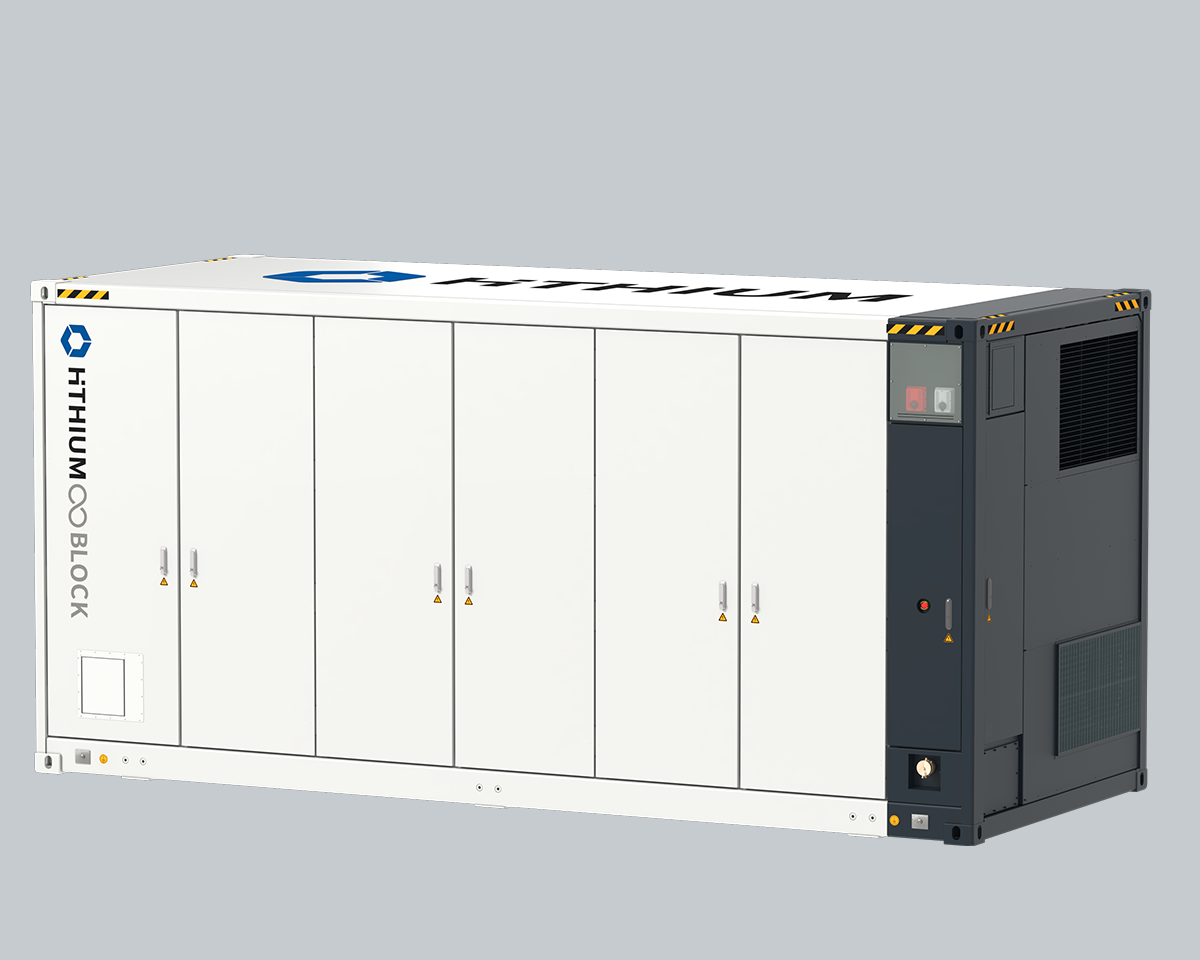
1) Total cost of ownership per usable kWh over warranty life (includes removals, replacements, and recycling). 2) Measured round-trip efficiency under real dispatch, not lab numbers. 3) Flexibility in control logic and revenue stacking — the ability to respond to multiple markets.
Also check field references — a vendor with operational sites comparable to your grid conditions (say, high solar penetration in California) carries more relevant experience. If you want a firm that balances local know-how with proven modules, look for an experienced utility scale energy storage company that publishes clear performance data.
Advisory close: three rules to peg your decisions to
First, convert CAPEX into cost-per-delivered-kWh using conservative degradation. Second, require measured field efficiency and capacity factor clauses in contracts. Third, demand modularity and spare-part transparency so you can replace parts, not whole systems. These three rules keep the math honest and your fleet running.
HiTHIUM fits those rules by offering standardized modules, field-proven control, and clear lifecycle numbers — practical folks, steady results. Plain talk.