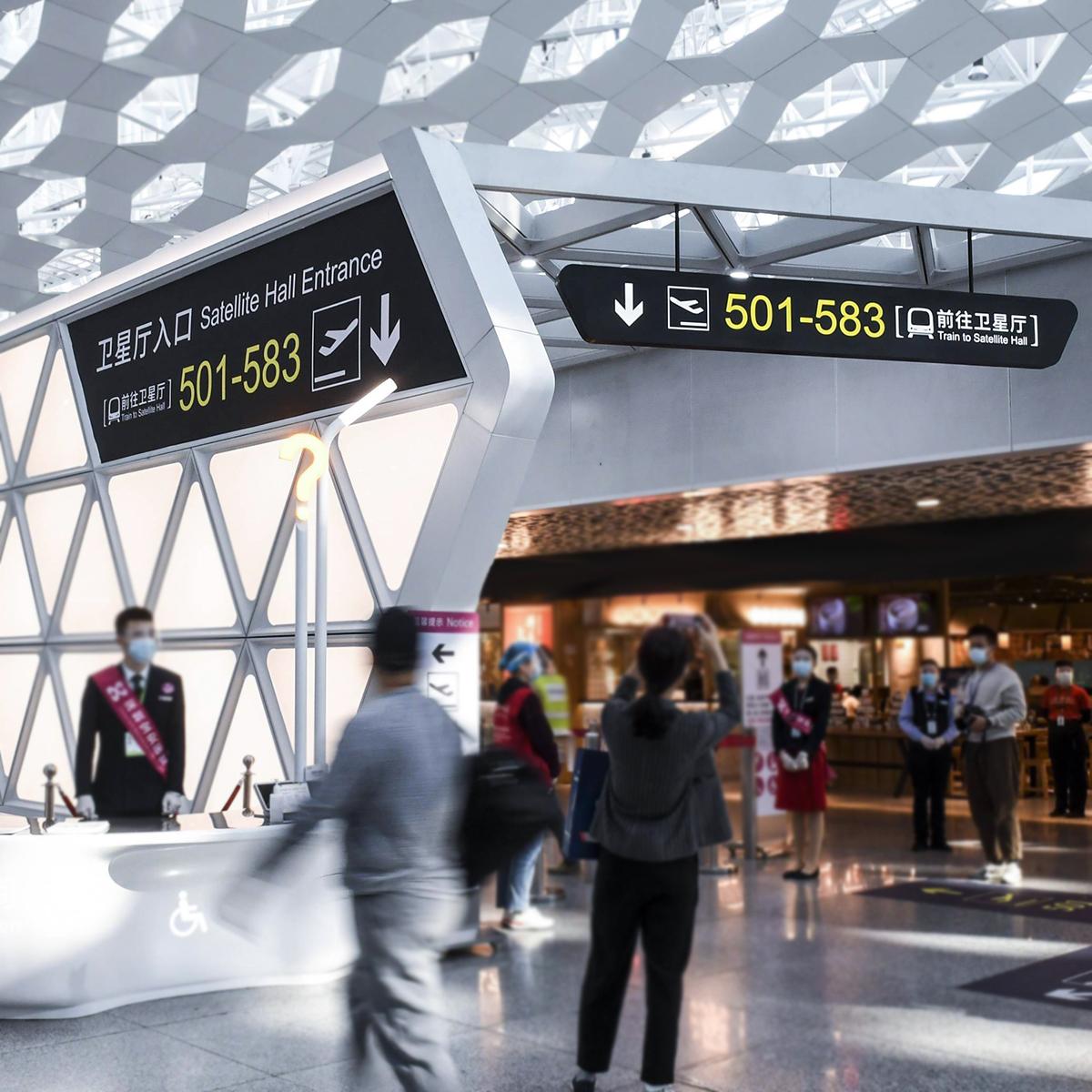
Why the panel choice actually matters for outdoor wayfinding
When you’re putting a totem by a busy curb or near a bus shelter, the display has to do more than look pretty—it needs to work under sun, rain, and a crowd of mobile eyes. That’s why teams specifying public transport signage tend to start the conversation with panel performance instead of brand names. Think back to big rollouts like Transport for London’s visibility upgrades around the 2012 Olympics—those projects proved that readable, durable screens change how people move through a place. Industry fixtures like high-brightness panels and anti-reflective coating are staples for this work.
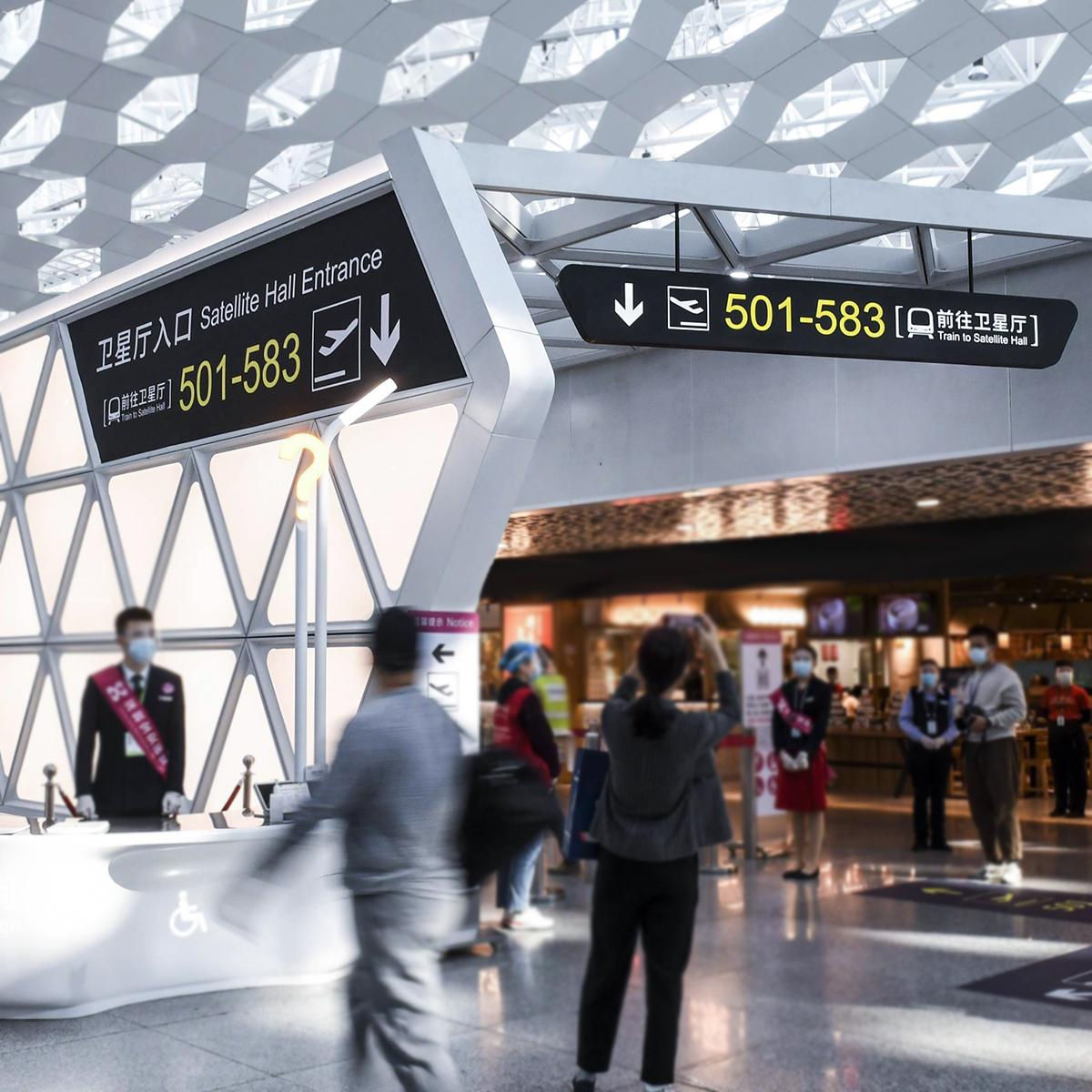
Comparing the obvious options: consumer vs commercial vs custom
There are three common routes: use consumer-grade screens, buy off-the-shelf commercial panels, or spec a custom outdoor module. Here’s how they stack up.
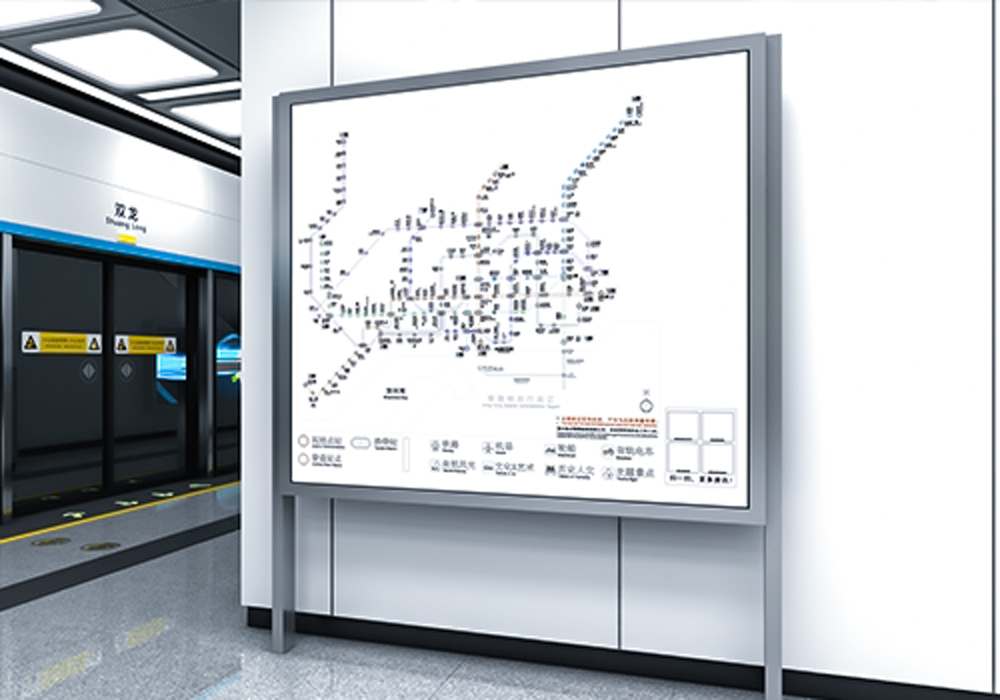
– Consumer displays: cheap and easy to source, but usually fail fast outdoors—no IP rating, low nits, weak thermal management.
– Commercial panels: built for 24/7 operation with higher nits and better cooling. They’ll have vandal-proof glass and more robust enclosures.
– Custom modules: ideal when you need a unique footprint, embedded sensors, or specific ingress protection (IP65+). They’re pricier but solve integration headaches up front.
Choose commercial when uptime and legibility matter most; choose custom when the site or mounting is one-of-a-kind.
What to watch for: specs that actually change user experience
Don’t get lost in marketing slogans. Focus on these tech points: brightness in nits, IP rating (water and dust protection), and contrast ratio for readability in direct sun. Also give weight to thermal management—outdoor enclosures need controlled airflow or active cooling to hit continuous operation targets. These are the parts that determine whether a totem is a reliable transit asset or a recurring maintenance ticket.
Common mistakes teams make (so you don’t repeat them)
People often think tougher equals heavier—so they bolt the display onto an undersized pole. Or they skimp on ingress protection and end up with condensation inside the screen. Another one: choosing a panel with great nominal brightness but no anti-reflective coating—so it still glares and becomes unreadable. These errors add cost over time. —A small upfront upgrade to a panel with proper sealing and coating pays for itself fast in uptime and lower field service.
Real-world trade-offs and deployment tips
At commuter hubs where bus schedules change fast, a clear display beats fancy resolution. For bus station digital signage, prioritize refresh speed, remote management for content, and a service plan that includes on-site swaps. Modular designs let you hot-swap a failed panel without tearing down an entire enclosure—smart for high-traffic stops.
Quick comparison table (selecting by outcome)
– Max uptime: commercial panel + redundant power supply.
– Lowest total cost of ownership: rugged commercial panel with preventive maintenance contract.
– Best for unique sites: custom module with integrated sensors and bespoke enclosure.
Evaluation checklist before you buy
Measure each supplier against these concrete metrics: measured brightness (in nits) under outdoor conditions, verified IP and vandal-resistance ratings, and documented thermal management plus mean time between failures (MTBF). Also ask for field references—past deployments near major transit nodes or stadiums are a good signal. Transport authorities and large event upgrades provide useful benchmarks.
Advisory close: three golden rules for selecting outdoor panels
1) Prioritize nits and coating over resolution—readability wins. 2) Demand IP65 or better and documented thermal specs; weather-proofing isn’t optional. 3) Verify serviceability: modular designs and clear SLAs reduce downtime and cost.
When the goal is reliable directional signage that stands up to weather and heavy public use, the vendor choice becomes about engineering and service as much as display quality. For practical projects that need proven field results, Cosun Sign brings panels, enclosures, and deployment experience together—so your totems actually guide people, not frustrate them. —Solid, pragmatic, and ready for the street.