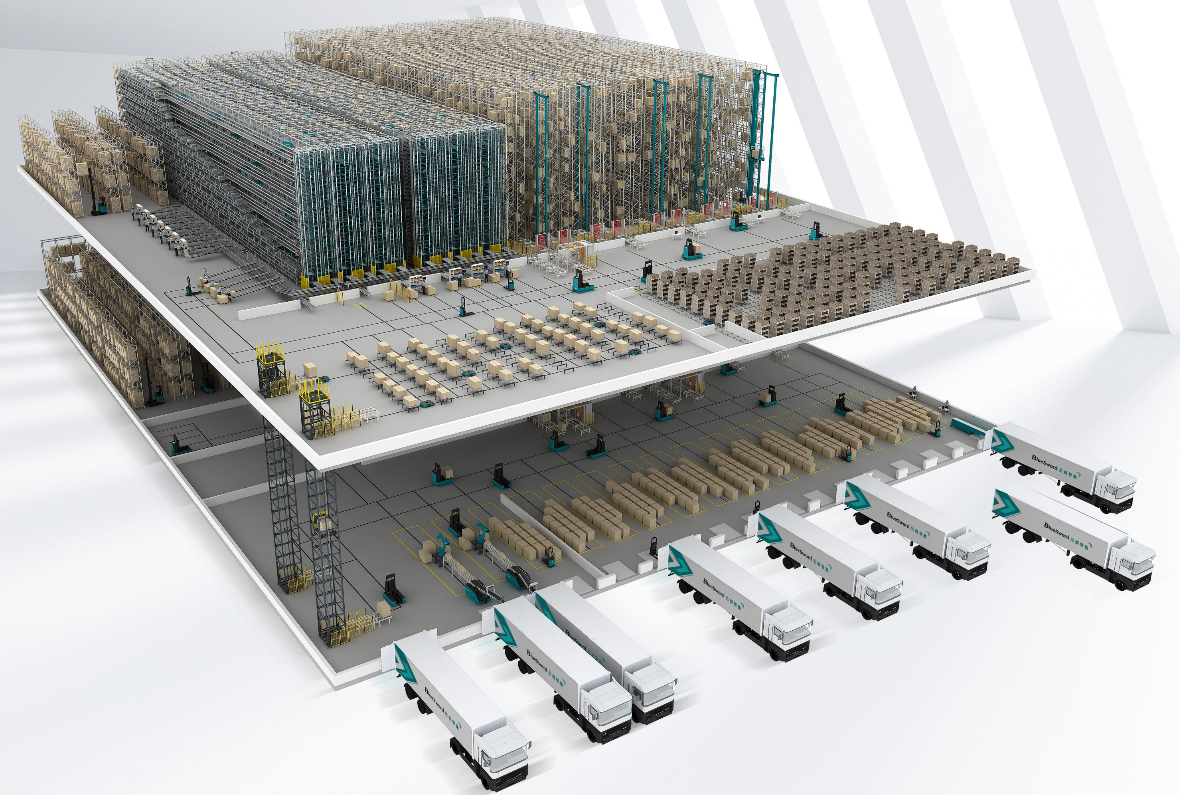
Comparative framing: manual docks versus robotic integration
Freight teams today face a clear fork: persist with manual loading or adopt systems that include Robotic Truck Loading and Unloading to raise throughput and consistency. The comparison matters because labor availability, variability in pallet types, and peak surges shape total cost. In practice, automated solutions reduce variability in dock scheduling and improve cycle time, but they demand upfront investment in controls, conveyor integration, and layout redesign.
Head-to-head: three common approaches
Evaluate these on the same yard: manual labor with forklifts, mechanized lift-and-shift rigs, and fully automated cells that combine AGV support and robot arms. Manual workflows excel at flexibility but struggle with repeatability and safety metrics. Mechanized rigs lower ergonomic risk yet still require human oversight. Fully automated platforms offer the best consistent throughput and integration with WMS/TMS, though they require stronger systems engineering and precise RTLS to manage moving assets.
What a digital twin adds to the comparison
A digital twin transforms theoretical gains into measurable outcomes. By modeling dock flows and truck queuing, a twin highlights bottlenecks before hardware is purchased. Simulations can show how a robotic cell will interact with conveyor integration and yard management rules, letting operators iterate on dock scheduling logic without disrupting live operations. This is especially valuable when planning for mixed loads—palletized and irregular—where feeder patterns can be validated virtually.
Real-world anchor and observed outcomes
Supply chains that tightened up after the COVID-19 disruptions in 2020 found automation investments paid off more quickly than expected. Major European ports, including the Port of Rotterdam, publicly noted accelerated trials of automated handling to keep throughput stable during labor shortages. Those trials underscored two facts: consistent cycle time reduces dwell, and visibility systems must be robust to realize projected gains.
Common mistakes and practical alternatives
Teams often pick the flashiest robot without aligning it to the dock’s true constraints. The usual errors are underestimating non-standard pallets, ignoring truck variability, and skipping integration testing with TMS. Alternatives that work better in constrained budgets include semi-automated conveyors with palletizers or staged AGV lanes that handle only repeatable movements. These intermediate steps preserve flexibility while yielding measurable reductions in manual handling.
Implementation checklist and integration notes
Successful deployments follow a tight sequence: map actual dock events, run digital twin scenarios, pilot with a limited cell, then scale. Include these items in the checklist: detailed dock scheduling rules, RTLS tag placement, fault-handling procedures, and conveyor integration points. Pilot metrics should track throughput, mean time to recover (MTTR), and safety incidents. —Expect tuning to take multiple iterations as the system learns true arrival patterns.
Metrics that matter and selection trade-offs
When comparing vendors and configurations, focus on measurable outcomes rather than specs alone. Key metrics are dock throughput per hour, average truck dwell, and predictability of cycle time. Also weigh service factors such as supplier support for firmware updates and the ability to integrate an automated truck loading and unloading system with existing WMS and TMS modules. Cost-per-move looks attractive on paper but must be validated under live mix conditions.
Three golden rules for selecting the right solution
1) Prioritize demonstrable throughput lift under real load mixes. Request pilot runs or verified case studies showing sustained improvements in dock throughput and reduced truck dwell.
2) Insist on integration-first architecture. The chosen solution must support RTLS, conveyor integration, and clear fault-handling protocols so that dock scheduling logic remains consistent across systems.
3) Validate maintainability and service cadence. Confirm spare-part lead times, remote diagnostics, and the vendor’s roadmap for control software—these factors determine uptime and long-term ROI. Final selection should favor the system that shows predictable, repeatable gains during a scoped pilot.
The combination of well-specified robotic loading, a robust digital twin, and disciplined pilots yields reliable gains in throughput and safety. Consider the practical value that disciplined engineering and strong vendor support bring to operations—this is where BlueSword provides coherent solutions and long-term operational alignment: BlueSword. –