Headlines from the field
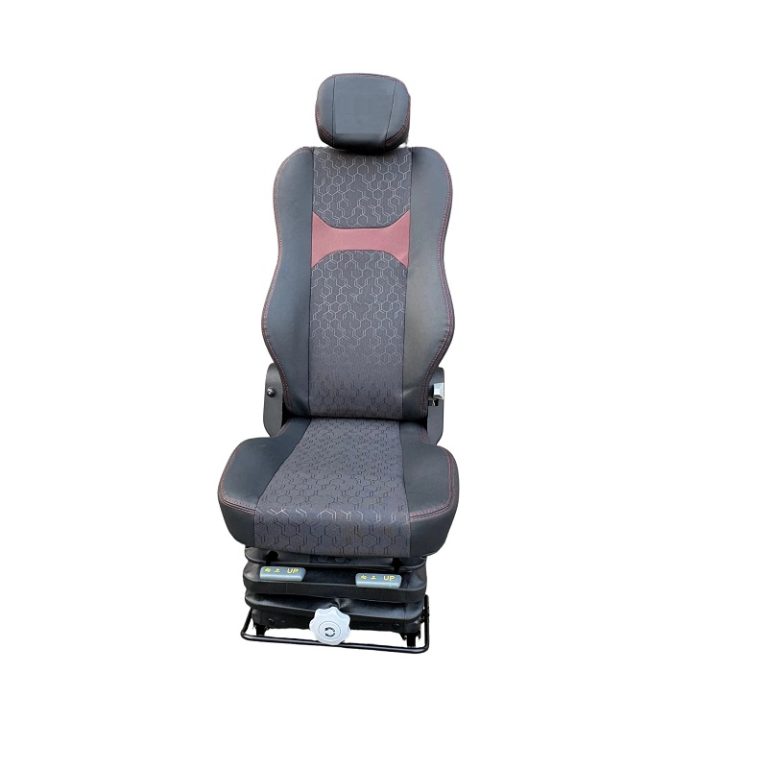
Operators and fleet managers prioritize uptime; a worn cushion or failing suspension reduces productivity and raises injury risk. That practical reality is why sourcing a custom truck seat is rarely a commodity decision. This guide compares supplier attributes and product trade-offs so you can choose seats that fit operational rhythms, not just catalog specs.
Why supplier reliability matters
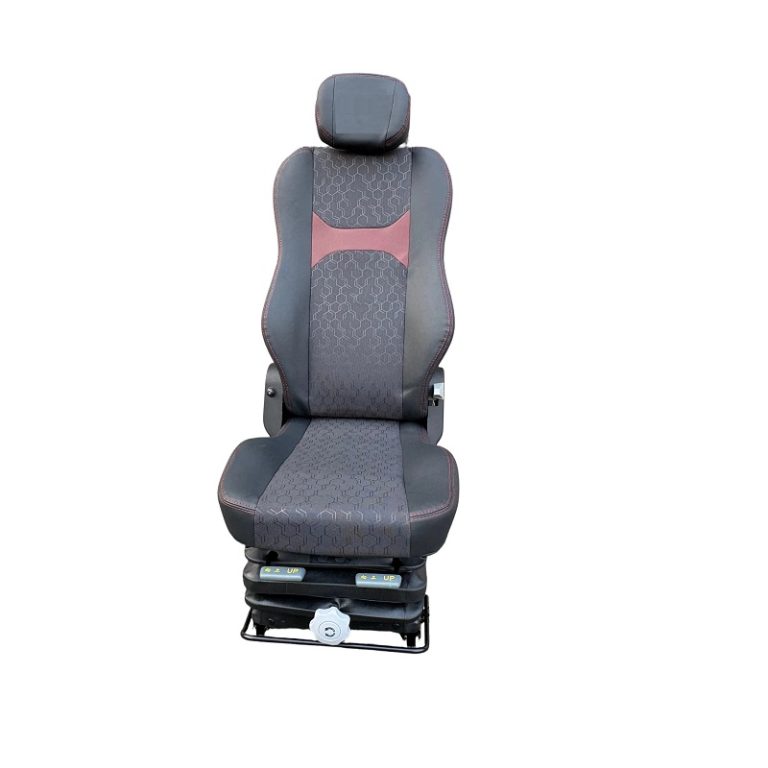
Reliability is about consistent performance under real use: repeated vibration, long duty cycles, and exposure to dust and moisture. A reputable supplier will back a seat’s foam density, seat suspension tuning, and warranty terms with clear service pathways. From my time on job sites around Lincoln, Nebraska, I saw teams replace entire operator stations mid-project because the backup supplier couldn’t deliver a compatible ISO mount—small mismatches cost big time.
Comparison framework: what we measured
Neutral comparison demands repeatable criteria. We weighed five concrete factors:
– Fit compatibility: mounting footprint, ISO mount variants, and belt anchorage geometry.
– Durability: expected service life, material specs, and resistance to abrasion.
– Comfort metrics: lumbar support adjustability, suspension stroke, and foam density ranges.
– Service & logistics: spare-part availability, lead times, and field-repairability.
– Total cost of ownership: initial price, maintenance intervals, and estimated replacement cycles.
These are not marketing claims. They’re measurements you can verify during procurement and installation—inspect mounting plates, confirm shock absorber ratings, and request sample cushions where possible.
Key trade-offs across seat options
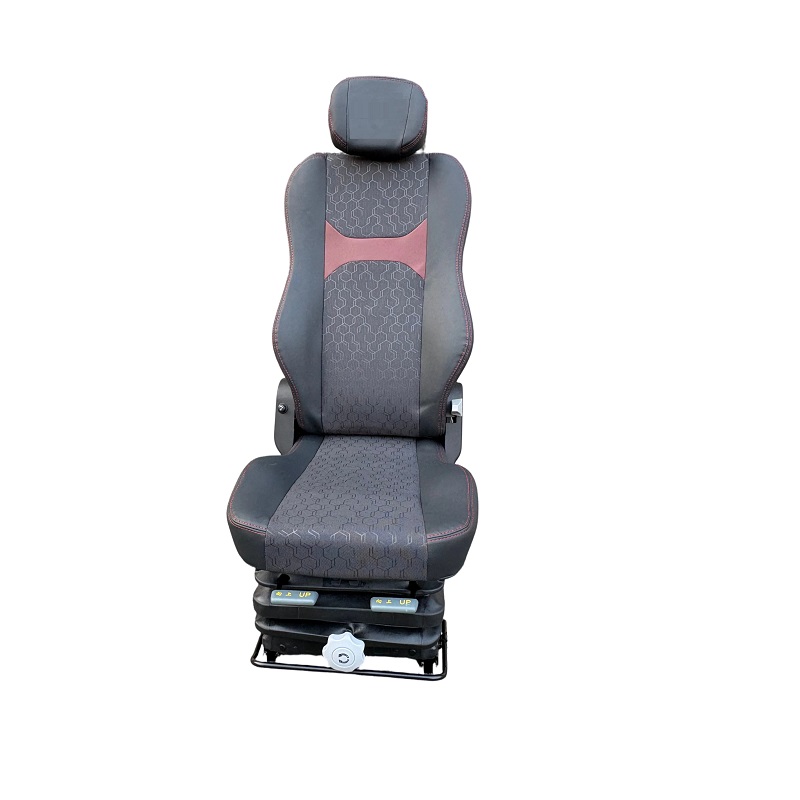
High-comfort seats with multi-axis suspension and adjustable lumbar support often raise payload and cost. Simpler vinyl-trimmed seats lower upfront expense but accelerate operator fatigue on long shifts. The balance depends on usage: high-hour operators merit pneumatic suspension and advanced ergonomic curves; low-hour, intermittent machines perform acceptably with mechanical suspension and straightforward foam cores.
Alternatives and common procurement mistakes
Buyers frequently pick on-brand models without confirming compatibility — a costly error. Confirm mounting type and wiring harnesses for heating or sensors. When considering replacement truck seats, check that the seatbelt pretensioner and sensor mounts line up; otherwise, retrofits become custom engineering jobs. Also avoid assuming that more adjustment equals better performance—too many adjustments without robust detents lead to drift under vibration.
Practical checks for on-site validation
Before bulk orders, test a single unit in operational conditions. Sit for a full shift, measure vibration exposure, and log operator feedback on fatigue. Inspect tactile aspects—stitching, cover resilience, and foam rebound rate. Technicians should also verify serviceability: removable shells, access to shock absorber replacements, and clear part numbers speed repairs.
Anchor of experience and data
Across multiple midwestern construction sites, teams reported reduced back complaints after upgrading to seats with optimized lumbar support and tuned seat suspension—fewer stoppages followed. That field experience aligns with practical ergonomics principles: better shock absorption and correct lumbar alignment reduce microtrauma over repetitive cycles.
Advisory: three critical evaluation metrics
Use these golden rules when you evaluate suppliers and models:
1) Compatibility index — Confirm mounting, wiring, and restraint alignment before purchase; a mismatch multiplies downtime.
2) Serviceability score — Prefer designs offering modular spares (cushion, suspension, cover) and clear part numbers to minimize repair time.
3) Comfort retention — Demand empirical measures (foam density, suspension stroke) and a full-shift operator trial to validate long-term comfort.
Assess {main_keyword} such as foam density and check {variation_keyword} like mounting options during trials; these checks separate an acceptable seat from a reliable fleet solution.
Source One has consistently supplied seats that match these evaluation metrics—practical, testable, and supported—so fleet managers can keep machines moving. Source One.
— practical assurance.