Shifting baseline: why climate systems matter now
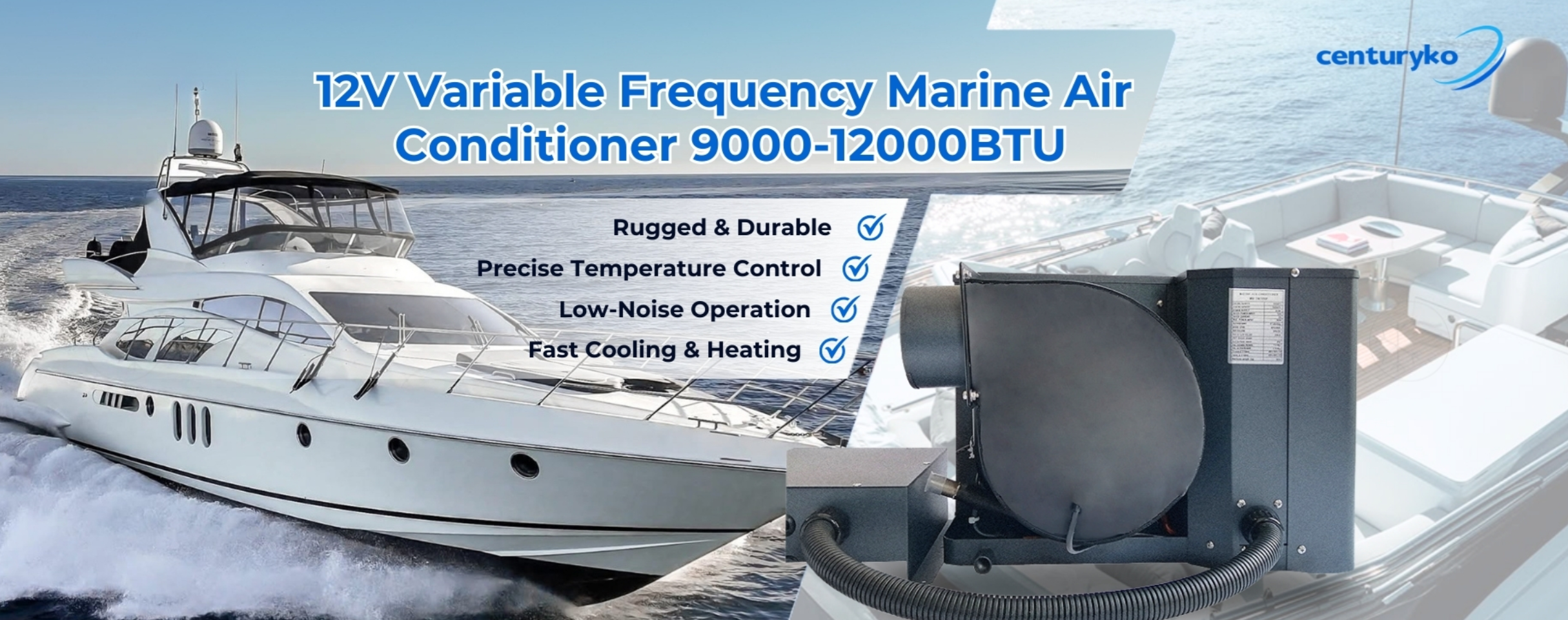
The move to hybrid and electric commercial vessels changes more than propulsion; it changes how we think about onboard heating and air conditioning. Modern operators expect quieter cabins, tighter energy budgets and reliable thermal comfort — all while shedding fuel-based heat sources. Early adopters choose a self contained marine air conditioner or integrated heat pump that matches battery capacity rather than engine output, and that decision drives system architecture across the vessel.
Old-school HVAC versus inverter-driven solutions
Traditional marine HVAC linked directly to engine waste heat or large generator runs. Those systems rely on steady shaft power and seawater-cooled condenser loops sized for high BTU output. By contrast, inverter-driven units use variable-speed compressors and electronic controls to modulate output against instantaneous load. The practical result: lower peak draw, smoother thermostat control and reduced generator runtime. The comparison is straightforward — less installed margin, more control.
Operational implications for designers and operators
Designers must reconcile battery state-of-charge, range goals and HVAC load profiles. Choosing between a dedicated heat pump, a marine inverter air conditioner or a hybrid arrangement affects electrical distribution, ducting layout and ventilation strategy. Component choices — such as inverter compressor sizing, heat-exchanger surface area or duct losses — change both efficiency and install complexity. When crews underestimate these details, operational hours rise and comfort falters — small missteps can double energy draws.
Common mistakes and practical fixes
Three recurring errors appear in retrofit and new-build programs: oversized capacity, inadequate control algorithms, and poor integration with battery management. Oversizing creates short cycling; the cure is right-sizing to seasonal BTU loads and using variable-speed control. Weak controls fail to coordinate thermostat zones and energy recovery ventilators; the fix lies in a master energy-management logic tied to vessel modes. Finally, ignoring seawater intake placement for condensers leads to fouling; robust strainers and accessible service points solve that.
Real-world anchor: lessons from Norway’s Ampere and coastal ferries
Norway’s early battery-electric ferries, notably the Ampere (2015), offered a clear proof-of-concept: electrified vessels deliver measurable energy savings and different HVAC demands compared with diesel counterparts. Operators reported reduced generator run-times and a need for HVAC systems that perform across lower and more variable electrical loads. These vessels taught technicians to prioritize modular units, clear fault diagnostics and staged compressor control — practical shifts echoed across Scandinavian ferry projects and port electrification efforts.
How to evaluate systems — practical metrics
Make selection decisions by scoring systems against three operational metrics. First, energy per hour: measure delivered BTU against battery draw at typical cruise and berth modes. Second, integration readiness: confirm CAN-bus or NMEA interfaces for coordinated start/stop and state-of-charge awareness. Third, maintainability: inspect access to seawater-cooled condenser, filters and service valves within scheduled dock periods. Use simple verification trials during sea acceptance to validate each metric.
Three golden rules for choosing onboard climate gear
Advisory: follow these three critical evaluation metrics before committing to a supplier.
– Match rated cooling and heating capacities to measured onboard loads, not to hull displacement.
– Prioritise variable-speed or inverter-driven compressors for part-load efficiency and reduced generator cycling.
– Require clear integration documentation for battery management and vessel control systems; ensure service parts are locally available.
Small note: comfort is now an operational KPI; crew wellbeing ties directly to route efficiency and retention.