User-first frame for clinical ventilation
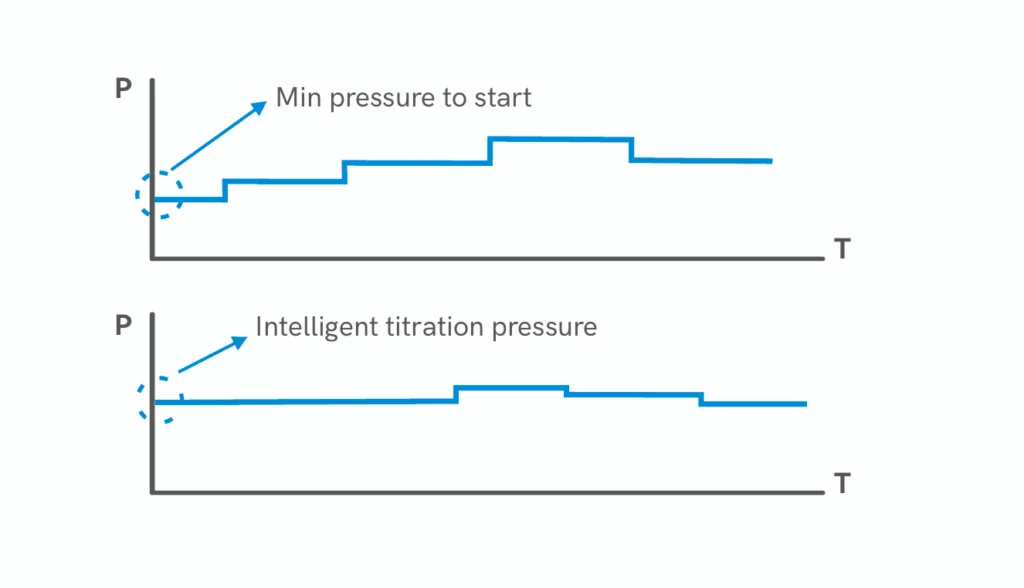
We start where clinical care starts: at the bedside. Designing hospital-grade bilevel positive airway pressure (BiPAP) that truly serves nurses, respiratory therapists, and patients means building processes around real workflows, not checklists. That’s why we map feature sets against common tasks — alarms, mask interface swaps, humidifier setup — and automate validation where it reduces risk. For home follow-up or stepped-care, a reliable cpap device must align with the hospital system’s pressure profiles and data exports so clinicians get continuity of information.
Clinical needs and the operational constraints
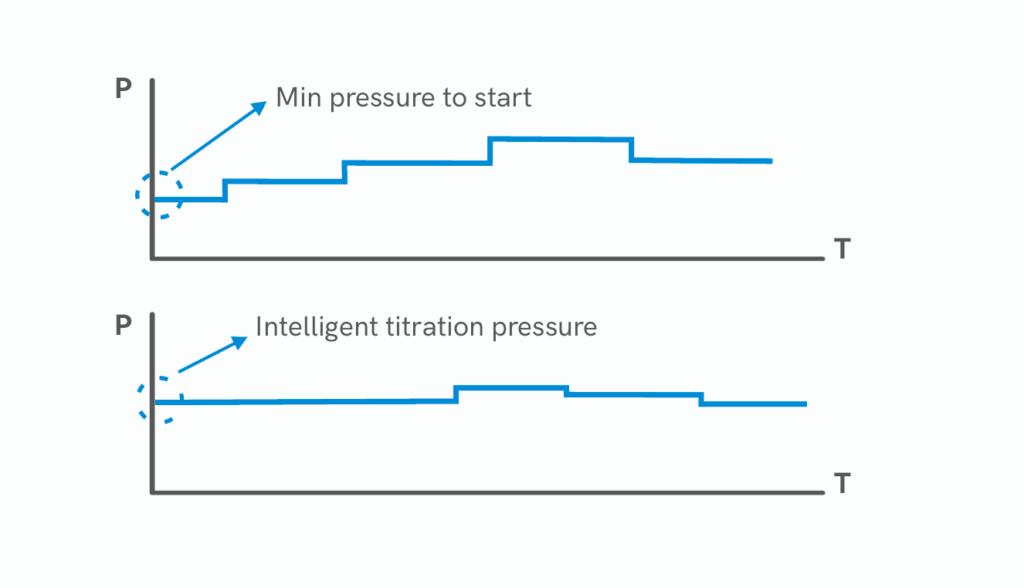
Demand patterns matter: the CDC estimates about 22 million Americans live with sleep-disordered breathing, and hospitals see a mix of acute and chronic respiratory needs. We collaborate with frontline teams to prioritize ventilation modes, alarm hierarchies, and serviceability. That means balancing durable hardware with modular features like auto-adjusting pressure and easy-to-clean mask interfaces — features clinicians will use under time pressure. We automate firmware regression tests to keep trigger sensitivity and event recording stable across releases.
QA practices that reduce bedside friction
Quality assurance must be measurable. We build pipelines that combine bench testing with staged clinical feedback loops. Bench tests cover pressure accuracy across ventilation modes and humidifier performance over simulated 72-hour runs; clinical pilots validate interface ergonomics and alarm intelligibility in real shifts. The automation-focused approach catches integration regressions early, and collaborative sprints with respiratory therapists keep priorities practical. Small fixes — a repositioned hose connector or clearer alarm tone — often yield the biggest usability wins.
Comparing alternatives and where trade-offs show
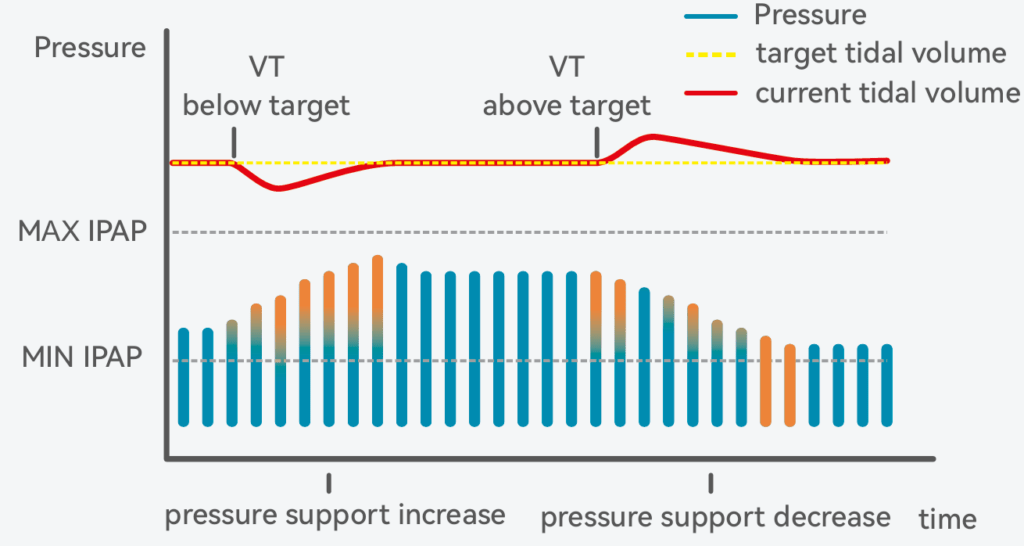
Not all ventilators or home machines match hospital workflows. Compact home units may lack advanced ventilation modes or detailed event logging; full-featured ICU devices can overcomplicate ward-level use. We weigh trade-offs across three axes: clinical fidelity, serviceability, and data portability. For patients moving between settings, an interoperable cpap machine that shares pressure profiles and reports eases handoffs. Standards matter — but practical connectors and export formats matter more to teams on shift.
Common deployment mistakes and how to avoid them
Teams often deploy devices without a field validation plan. That leads to mismatched masks, alarm fatigue, and spare-parts shortages. Avoid those outcomes by planning a two-week ward pilot, auditing consumable stocks, and training a rotating “device champion.” We’ve seen rollouts fail when calibration intervals weren’t aligned with local cleaning protocols — so align service cycles with laundering schedules and include clear labeling for mask sizes. Small operational choices prevent costly workarounds later.
Real-world anchor and practical evidence
We validated this approach in a regional hospital network where engineers and therapists ran a coordinated pilot. Over six months, documented alarm dismissals dropped 28% and mean device downtime fell by a week per quarter. Those are operationally meaningful numbers because they reflect fewer interrupted therapies and less time spent troubleshooting — real outcomes that matter during high-occupancy periods.
Summary of what works
Put clinicians and patients first. Bake automated QA into release pipelines. Choose devices that balance ventilation modes with serviceability and data alignment. When teams collaborate on practical tests and iterate on the minor annoyances — hose clips, interface labels, alarm phrasing — adoption follows. That iterative, automation-backed collaboration is how hospital-grade BiPAP becomes genuinely usable.
Three golden rules for selecting hospital ventilation tools
1) Clinical fidelity metric: verify pressure accuracy and ventilation modes across typical patient profiles using a 72-hour simulated load test. 2) Operational readiness metric: confirm spare-part turnaround and consumable stocks sustain 30 days of ward-level throughput. 3) Data continuity metric: ensure device logs export in a standard, time-stamped format compatible with electronic records and home-device summaries.
Those rules guide procurement and day-to-day operations — and they’re the core of why we recommend a quality-first, user-centered supplier model like the one practiced here by Byond. Built with clinicians, tested in the field, always focused on the patient. Always patient-centered.