Problem: Claims, blind spots, and wasted money — confirm or chop?
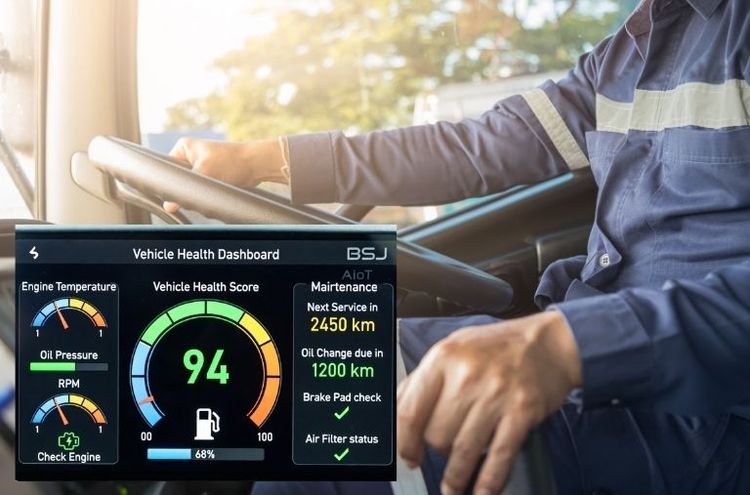
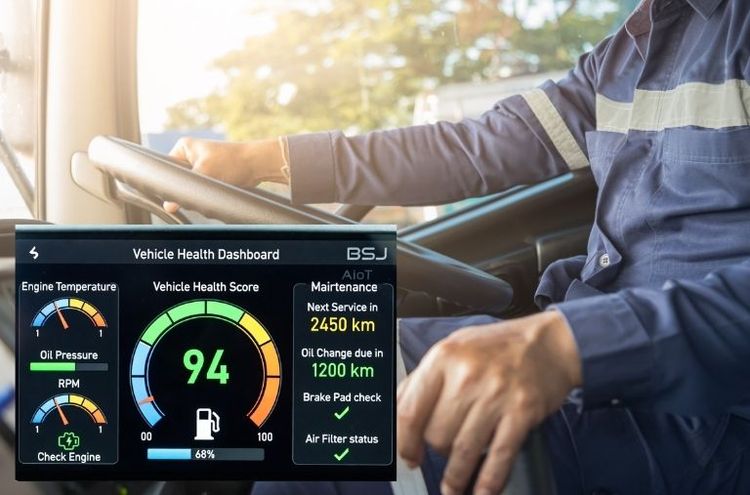
Small van fleet managers face the same headaches: conflicting accounts after an incident, drivers blamed unfairly, and insurance bills that keep creeping up. You want a camera solution that actually stops losses, not one that looks flashy but collects useless footage. That’s why many folk use van fleet management alongside cameras — to make the footage meaningful, lah. This piece is problem-first: identify the pain, measure what matters, then decide whether a 3-channel dashcam is worth the spend.
What specific problems should a 3-channel dashcam solve?
Don’t buy for features. Target outcomes. A 3-channel system should do three things reliably:
– Prove fault and speed up claims resolution so you lose less to false liability.
– Reduce risky driving behaviour by giving objective feedback to drivers.
– Capture context around the van (front, cabin, rear) so you stop guessing what really happened.
Key metrics to measure ROI — what to track, lah
Use measurable items only. Track these for at least 90 days pre- and post-install:
– Number and cost of insurance claims (closed and open).
– Average downtime per incident (repair + admin hours).
– Fuel and route efficiency gains if camera data links to route corrections.
– Driver coaching incidents and repeat offences.
– Time saved in investigations (minutes per incident).
Technical checklist for a 3-channel setup
Not all 3-channel cams are equal. Check these hard points before buying:
– Field of view and resolution: must clearly show plates and cabin interaction at typical stopping distances.
– Reliable event-triggered upload: local storage ok, but immediate evidence upload reduces tampering risk.
– Time sync and GPS stamp: video without accurate time/GPS is useless in disputes.
– Integration capability: can the camera talk to your telematics or van fleet tracking system so you correlate footage with trips?
Integration and workflow — how footage becomes value
Buy the process, not only hardware. Operational value comes when footage is part of a repeatable workflow:
– Define who reviews videos and within what SLA.
– Link camera events to incident records automatically.
– Use footage for targeted coaching sessions, not public shaming.
– Keep privacy and data-retention rules clear so drivers trust the system.
Common pitfalls that eat ROI
Watch these traps; they turn a useful camera into a cost sink:
– Overpaying for analytics you won’t use.
– Poor mounting or power setup that causes frequent failures.
– No process to act on footage (videos piling up unread).
– Ignoring local rules on cabin surveillance and data retention.

Practical ROI snapshot — quick way to estimate
Do this simple calc: annual value = (avg claim cost × annual claims avoided) + annual admin/time savings + coaching-related fuel/time savings. Annual ROI = annual value ÷ total annual camera cost (hardware + installation + subscription). If ROI > 1.5 within two years, the system likely pays back well for small fleets.
Real-world anchor and lessons learned
From conversations with operators in big cities like London, the consistent lesson is: footage that’s easy to find and legally sound resolves disputes fast. Where cameras were just recording but not linked to incident workflows, value stayed low. Where footage fed directly into claims and coaching, operators saw clear operational improvements.
Decision guide — buy, test, or walk away?
Choose to test when:
– You can measure pre/post claims and admin time.
– You have the processes to act on footage.
Walk away when:
– The vendor can’t show integration to your tracking or telematics.
– Installation, power, or mounting is unclear.
Wrap-up
If your problem is repeated claims, unclear incidents, and no reliable evidence, a properly integrated 3-channel dashcam can pay for itself. Focus on measurable outcomes, straightforward workflows, and proper integration with tracking and telematics, and you’ll see where savings actually come from. For small-van operators wanting practical, joined-up camera plus telematics solutions, systems such as BSJ are designed around those same operational realities and constraints, so the technology becomes part of how you reduce cost and restore clarity on the road.