A focused comparison to start
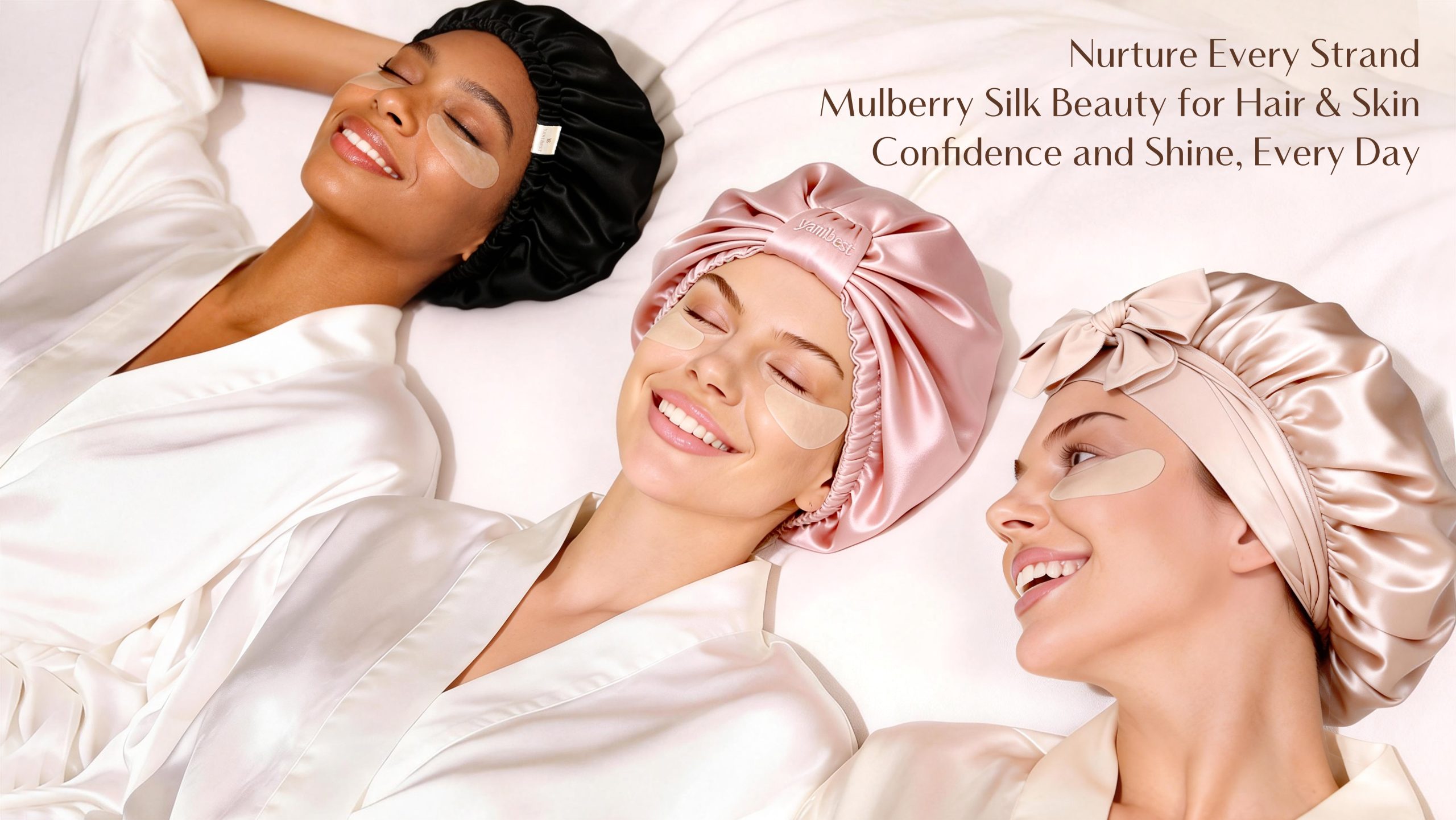
Buyers want a towel that reduces breakage, speeds drying, and fits their routine. Think of this as a set of trade-offs: softness versus absorbency, lightness versus heat retention, and convenience versus longevity. For someone who prefers low-friction sleep or quick post-shower wrap, a dedicated bonnet like yanibest bonnet will feel very different from a bulky cotton towel. Here I compare the practical effects of each choice so you can match features to real needs.

Material: what the fibers actually do
Microfiber: fast at removing water, low weight, and compact. It reduces drying time without rubbing the cuticle, but cheap versions pill and trap oils. Cotton: familiar and durable, but rougher on hair and slow to dry. Bamboo blends: softer and more breathable than cotton, with moderate absorbency; watch for mixed-quality processing. Silk: minimal friction, protects sheen and reduces tangles; it’s less absorbent, so silk performs best paired with an absorbent wrap rather than as the primary drying cloth. Choose material based on whether you prioritize speed, gentleness, or sleep comfort.
Absorbency and drying speed — trade-offs to compare
Absorbency is about surface area and fiber type. Microfiber towels designed for hair often advertise grams per square meter (GSM); higher GSM usually means slower drying but greater water pickup per pass. Lightweight microfiber (lower GSM) dries quickly and is ideal for porous, thick hair that holds lots of water. Dense towels reduce blow-dry time but can be heavy on fine hair. Rather than chasing a single number, test how many passes a towel needs on a small section—fewer passes signal better real-world efficiency.
Shape, closure and fit: why design matters
Turban wraps with a button or loop stay put and free your hands; elastic-back wraps offer a snug fit for sleep but can compress curls if too tight. Long rectangular towels are versatile but require practice to wrap without tension. Consider how you move: if you style immediately after drying, a secure turban is helpful; if you sleep with a wrap, choose a loose bonnet-style design to avoid creasing and scalp pressure.
Careability and durability: practical life-cycle concerns
How a towel ages matters more than initial feel. Microfiber keeps shape but may accumulate product residues; wash with a gentle detergent and avoid fabric softener. Cotton tolerates heat and frequent washing but becomes abrasive over time. Silk items need gentle cycles and lower heat; they retain slip but demand more care. Inspect seams and closures—double stitching and reinforced buttons predict longer life. You’ll save money if you compare care instructions and expected longevity before buying.
Match to hair type and common mistakes
Fine, straight hair: choose a lightweight, low-friction wrap to avoid flattening and excess oil redistribution. Thick, wavy or curly hair: look for high absorbency and a roomy shape to preserve curl pattern; do not compress curls with tight closures. Colored or chemically treated hair: prioritize gentle fibers and avoid high-heat drying. Frequent mistake: assuming a towel that dries fast is automatically gentler; aggressive absorbency with rough fibers can still roughen the cuticle. Another error: leaving a damp wrap on overnight when the fabric doesn’t breathe—this encourages scalp discomfort and odor.
Comparing brands and practical alternatives
Several reliable options exist across price points: performance microfiber for efficiency, bamboo blends for balanced comfort, and silk for overnight protection. During practical trials in Stockholm salons, testers noted that a high-quality silk pillow option reduced morning tangles and protected styles between washes—the yanibest silk pillowcase performed well when paired with an absorbent wrap, showing fewer breakages on fine hair. Evaluate alternatives by the same simple tests: feel on the hair, number of passes to damp, fit during normal movement, and how the fabric treats styling products over repeated washes.
What to avoid when deciding
Avoid buying solely on appearance or low price. Don’t assume higher GSM equals better for every hair type. Beware of towels that require specialty detergents—these add friction to care. Steer clear of single-function items that can’t be washed with your regular laundry routine unless you’re prepared to follow strict care. Practicality beats novelty: a towel that integrates with how you style and sleep will be used more and, over time, deliver better hair outcomes.
Final synthesis
Compare material, absorbency, shape, care, and how a towel fits your daily motions. Choose microfiber for quick drying, bamboo for balanced comfort, cotton for durability, and silk when minimizing friction and preserving styles during sleep matters most. A smart pick blends those priorities, not just one feature. For many routines, pairing an absorbent wrap with a gentle sleep surface offers the best results; a practical choice like yanibest reflects that balance without unnecessary complexity.