Know what your day actually looks like
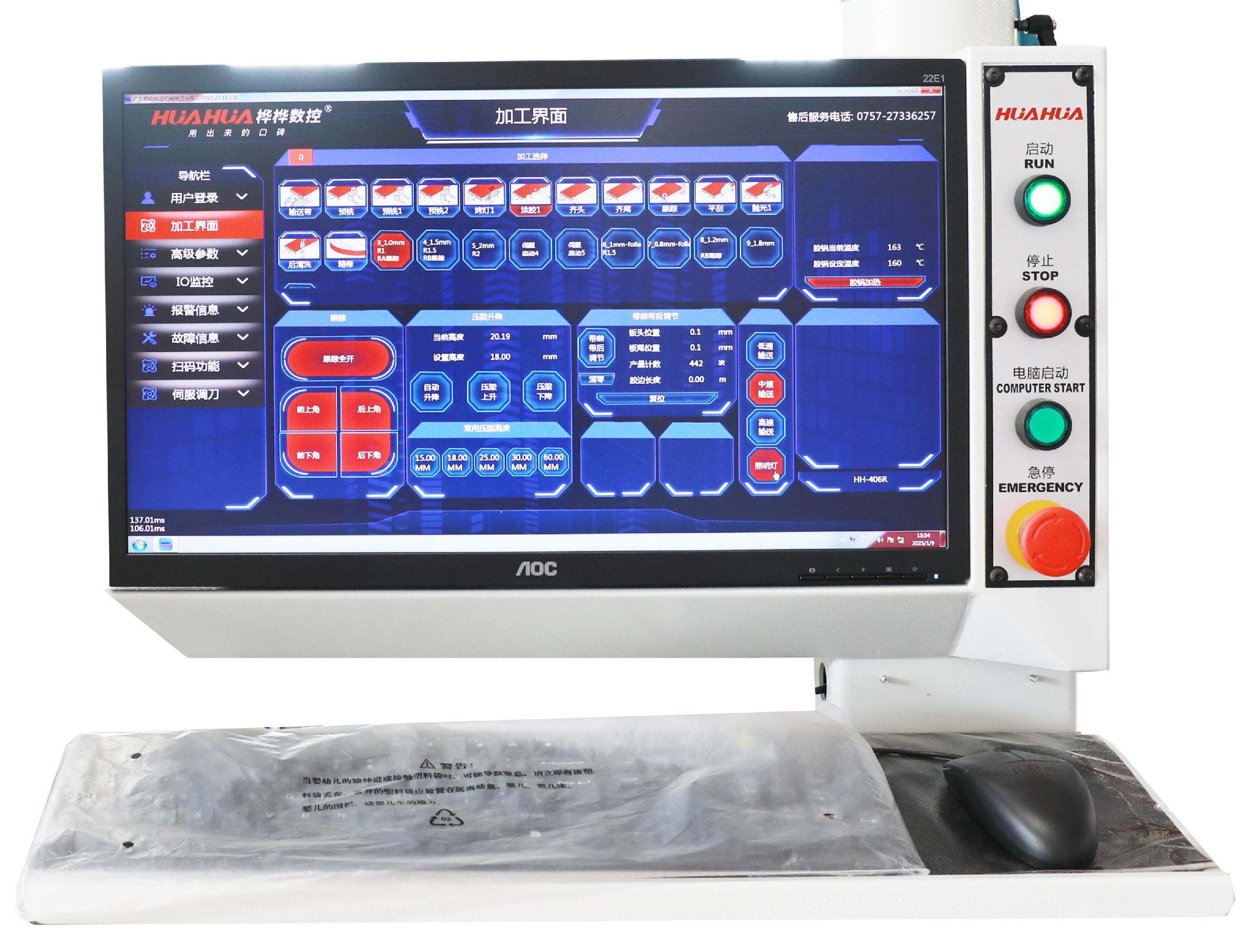
Eish — first thing: tell me what you cut, how many boards a day, and how long you want the machine to last. If your work is batches of kitchen panels, you’ll want a panel saw that keeps tolerances under a millimetre and an accurate feeding path. If you also strip, trim or finish edges now and then, consider a dedicated servo edge banding machine alongside the saw rather than forcing one machine to do everything badly.
What matters to you — speed, repeatability, or both?
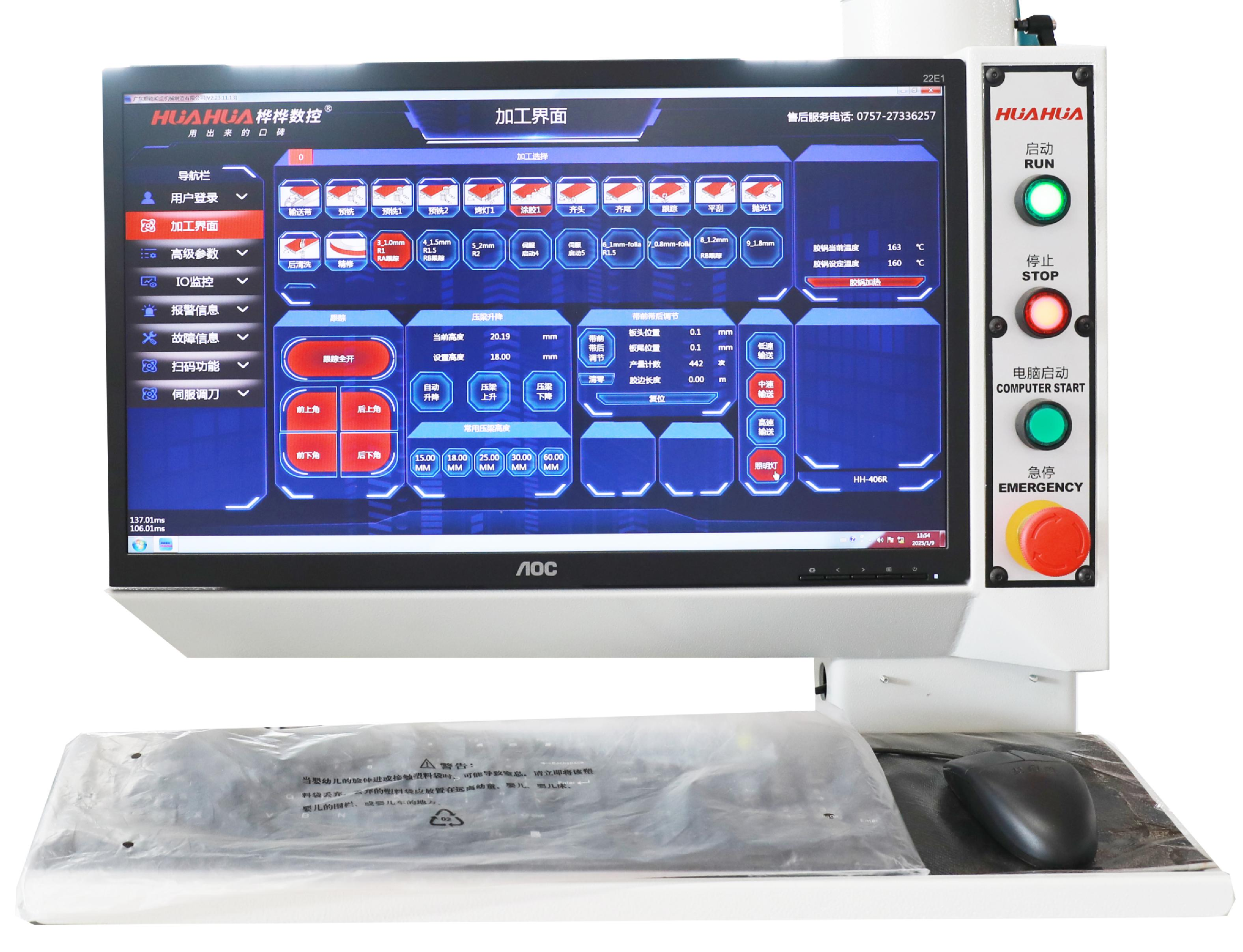
Be blunt with priorities. Speed without repeatability is useless — parts will need rework and customers won’t wait. Look for a saw with closed-loop servo drives on the main axes for repeatable stops. Ask for measured cycle times on jobs like yours, not marketing specs. If you value repeatability most, invest in better position feedback and a rigid table. If you need throughput, check loader compatibility and quick-change tooling.
Simple checklist for spec sheets
Check these items line by line: blade arbor motor power, saw carriage rigidity, fence straightness under load, control software ease, parts-per-hour demonstrated on similar panels, and availability of local service. Don’t skip the spare-parts list and lead time. A cheap saw with long downtime costs more than a pricey one that runs every shift.
Common mistakes I see in workshops
People choose on price or a single flashy spec. They ignore tooling quality, or assume the controller is ‘user-friendly’ without trying it with their team. Another trap — thinking one machine type will do both heavy ripping and delicate crosscuts equally well. That rarely works. Train operators properly; otherwise the best machine still makes bad panels.
Alternatives, trade-offs and quick comparisons
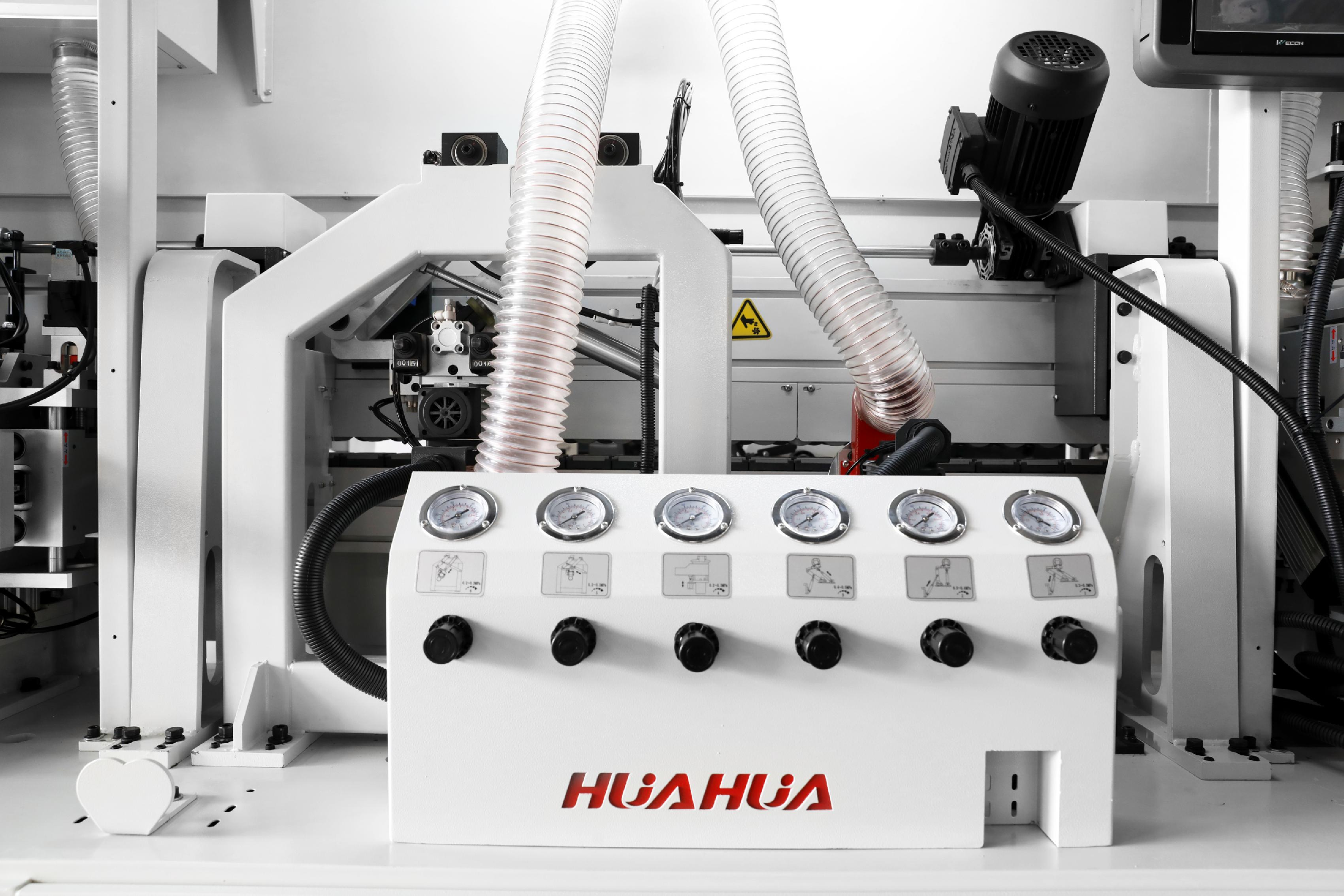
Stick to practical comparisons. Manual sliding-table saws are cheaper and great for custom one-offs. Automated panel saws excel at repeat batches and reduce labour. Inline edge systems give a tighter workflow for cabinetry runs, but take floor space. If your runs are short and change often, pick modular cells you can reconfigure. If runs are long and steady, a high-precision automated line pays off.
Real workshop experience that matters
From ten years running a cabinet shop in Durban I learned what survives the heat, dust and rush jobs: robust drives and simple diagnostics. That’s why I trusted a compact servo motor machine for repetitive feed control — it kept cuts square and downtime low. Real experience beats brochure specs; ask to see the machine cutting the same panels you use, or visit a local shop that runs it.
Putting it together — final thinking for your choice
Decide by job first, then by proof. Demand measured results on workload like yours. Avoid traders selling only price; find builders who show tooling, service plans and real punch lists from their machines. If you need an integrated solution that balances accurate panel cutting and tidy edge finishing without drama, check gear from HUAHUA CNC and compare their local support and spare-part policies to make the right call for your workshop.