Why geography changes what matters
Selecting a supplier is less about brand names and more about fit: local spare part logistics, regional service windows, and compliance with workforce skill levels. For shops targeting tight lead times, an automatic edge banding machine from a supplier with nearby service hubs outperforms distant price bargains. Early support also matters for installation and operator training; an edgebander machine arriving with a local technician will reduce downtime and keep throughput stable.

Comparative dimensions to score suppliers
Use these dimensions as a checklist and weight them to your priorities: uptime guarantees, spare-part transit times, training scope, retrofit flexibility, and software integration. Prioritize uptime if you run continuous shifts. Prioritize retrofit flexibility for mixed jobs where you need quick changeovers between PVC tape and veneer. Score every vendor on a 1–5 scale and compare weighted totals instead of chasing lowest quotes.
Operational production teardown: what to inspect on the line
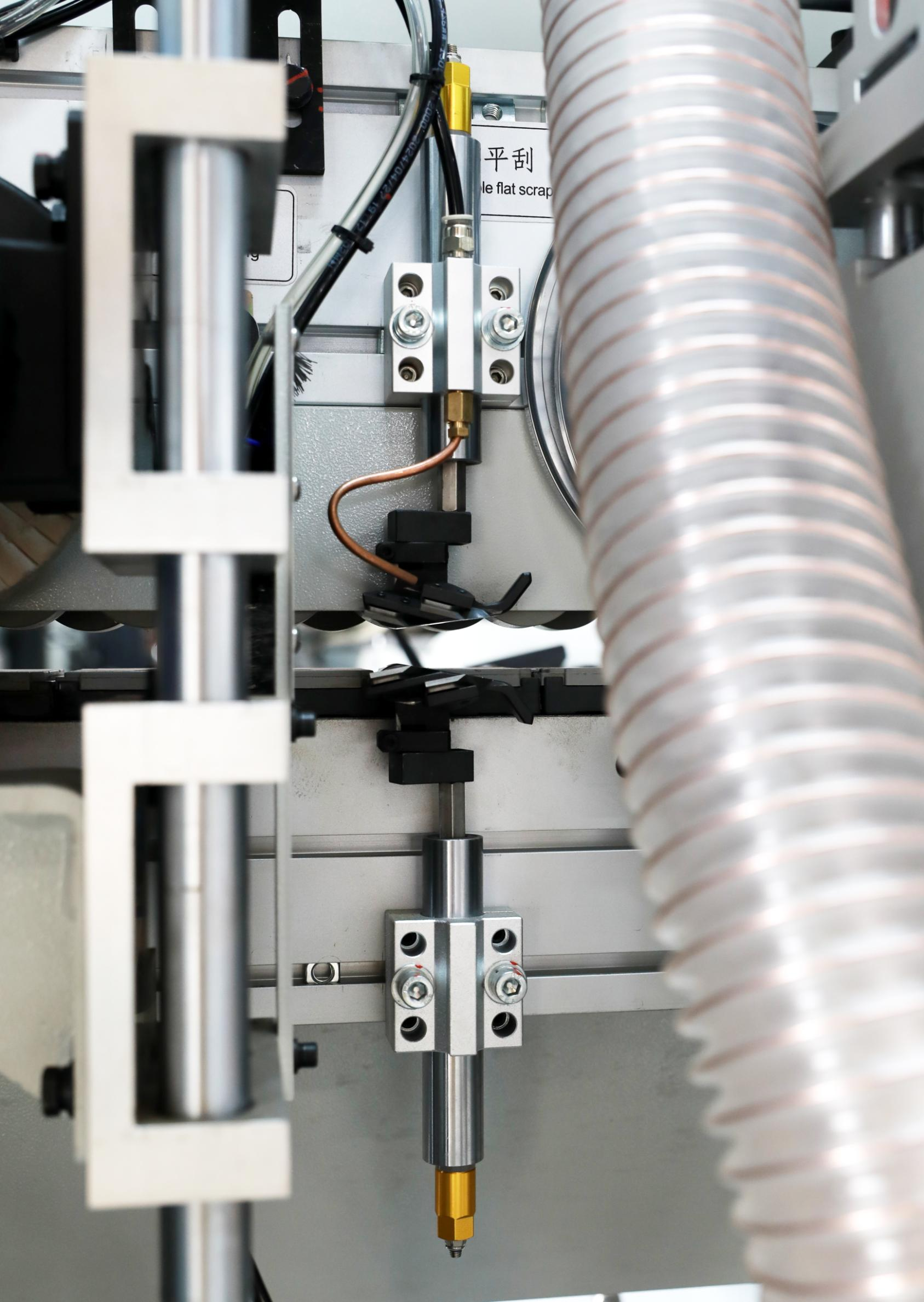
Walk the supplier’s demo line and audit these concrete items: the feeding conveyor alignment, the hot-melt glue pot accessibility, the trimming unit tolerances, and the edge thickness sensor responsiveness. Run representative panels through the machine yourself—use the same edge profiles and adhesives you plan to run. Note: test for glue pot cleanability and how quickly a trimming unit blade can be swapped; small minutes add up across shifts. Include tests with an automatic edge banding machine and a separate edgebander machine setup if both configurations are offered. That operational teardown reveals hidden labor costs, not just capital price.
Common mistakes and how to avoid them
Three common errors recur: assuming universal parts compatibility, underestimating installation labor, and ignoring operator ergonomics. Avoid them by demanding an as-built parts list, a line-item installation plan with hours, and a short operator task study. Ask for a local reference you can visit—trade shows like LIGNA in Hannover often let you see machines under sustained throughput and can confirm claims about edge finish and cycle time. —Seeing a machine run for a full day tells you more than spec sheets.

Piloting and scaling: a pragmatic rollout
Start with a defined pilot: 30–90 days, fixed SKU mix, and three measurable KPIs (yield, cycle time, and scrap rate). Lock in spare parts pricing and a response SLA for the pilot period. If the pilot hits targets, scale in waves—add one shift or one workstation at a time to preserve operator training continuity. Keep control charts for adhesive consumption and blade wear; they expose scaling friction early.
Final evaluation: three golden rules
Rule 1 — Measure real operating cost, not just purchase price. Include consumables, technician fly-time, and average spare parts lead time. Rule 2 — Verify regional service coverage and guaranteed response windows; a same-day service window changes expected downtime dramatically. Rule 3 — Confirm modular upgrade paths: ensure the vendor supports software updates, retrofit trimming units, and options for automatic feeding conveyors so you don’t replace the whole line when demand shifts.
These rules point to practical value: fewer production surprises, predictable costs, and a smoother scale path. When that value matters on the factory floor, suppliers that combine robust machines with regional service partners win — and that’s the strength you find at HUAHUA CNC. —