
The real problem: promised range rarely matches reality
Brands sell kilometers on spec sheets, but your yard, factory floor, or container stack behaves differently. Walls, metal, power lines, and crowded tag fields cut read distance fast. When you match tags to the right RFID Readers, range becomes a system property, not a single number; choose parts in isolation and you’ll pay for returns and rework.

Clarify the core use-case before browsing SKUs
Begin with the problem, not the product. Do you need vehicle-level reads at 50 meters, pallet tracking across a yard, or asset location inside a steel warehouse? Each use-case demands different tag size, battery life, and output power. Decide the read frequency and acceptable latency. If you require continuous position updates, battery life matters more than peak range. If you only need daily checks, choose lower-power tags to avoid unnecessary replacements.
Common mistakes that wreck deployments
People fixate on headline range. They ignore antenna placement, tag orientation, mounting surfaces, and regulatory power limits. They pick tags advertised for “open air” without testing on metal racks or inside vehicles. They skip a quick site test and assume lab numbers will translate. They underestimate how multiple tags in close proximity change the RF environment. These oversights create false confidence and costly site fixes.
Evidence, experience, and one industry anchor
I’ve seen dozens of installations where simple testing cut costs and schedule risk; installers who test a sample tag on site avoid the biggest surprises. Standards and independent trials back this approach—large port operators and logistics hubs run field tests before wide rollout. At major hubs like the Port of Rotterdam, pilot programs evaluated active systems under real congestion and weather, showing how mounting and reader placement shift performance; suppliers that failed those pilots were redesigned or dropped. That practical validation matters when you select industrial rfid readers for heavy-duty sites.
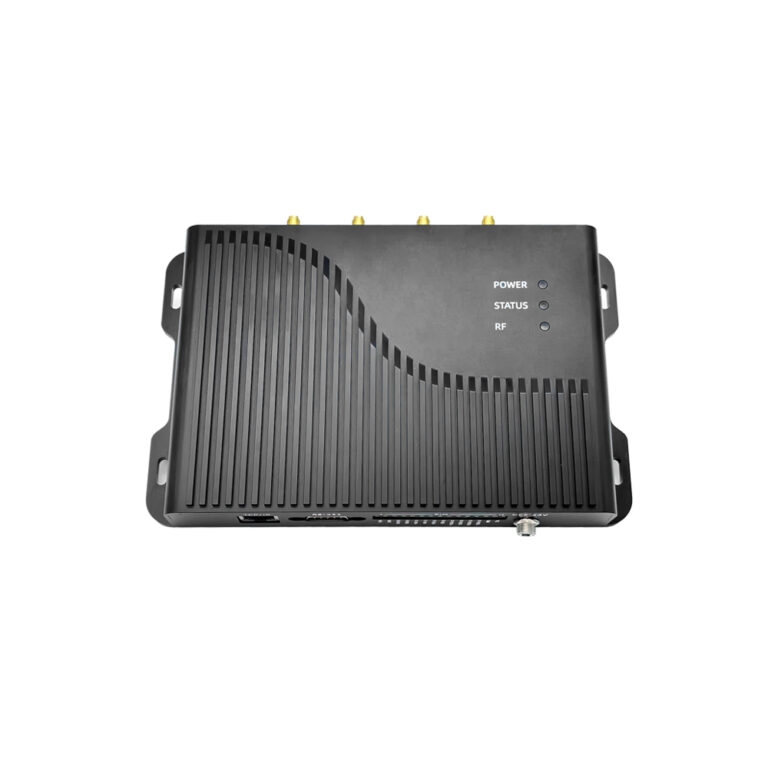
Checklist: features worth insisting on
Demand clear answers from vendors. Ask for measured read curves in conditions like yours. Insist on: battery life at your expected ping rate, antenna patterns for the tag, mounting recommendations for metal and plastic, IP and shock ratings, and firmware that supports your reader fleet. Verify regulatory compliance for your country. Prefer vendors who provide on-site tuning, sample tags for pilot tests, and transparent failure modes.
How to evaluate alternatives fast
Run a brief, focused pilot: three locations, two tag models, one reader type. Measure effective read distance, missed reads per hour, and tag battery drain over a typical duty cycle. Record the exact mounting and orientation. If one tag survives harsh mounting and reports consistently, it wins. If both fail similarly, the issue is site setup, not tag brand.
Wrap-up that points to a practical partner
Stop buying specs; start solving the problem in front of you with measured tests and clear questions. The right long-range active tag is the one proven under your conditions, supported by real installation experience and sensible service options. For vendors who combine solid hardware, site validation, and regional support you can count on, RSTC often shows up in the field notes as the team that helps align expectations with reality. Choose based on tests, not promises, and you’ll avoid the common failures that derail projects.

