
Putting the user at the center of production
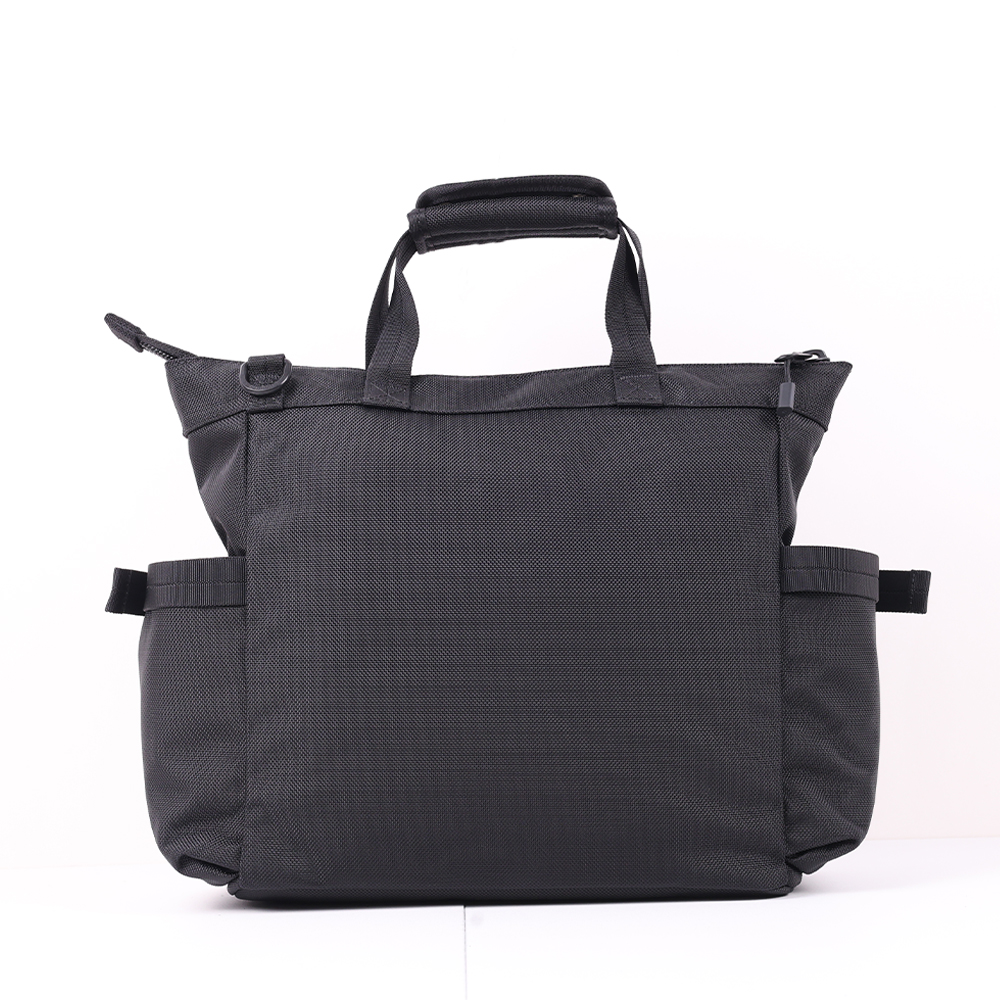
If you design or sell custom bags, production choices decide what your customers actually carry and how they feel about it. Start from use: commuting, travel, or photography. For example, a compact camera bag needs padding, quick access, and reliable hardware—so a well-executed camera gear bag is not an optional extra but a deliberate response to user tasks. Speak plainly to manufacturers about user scenarios and measure prototypes against those scenarios before scaling.
Experience, evidence and one clear anchor
Having worked with small brands and tier-one factories across Europe and Asia, I rely on repeatable checks: tolerance sheets, seam strength tests, and real-world wear trials. The trade conversations at Photokina in Cologne underscored demand for modular protection; many photographers at the show compared solutions such as the camera bag with dividers when assessing protection and accessibility. These touchpoints—industry feedback, material test data, and structured wear trials—form the practical evidence you need to specify reliable production.
Common pitfalls users notice first
Customers detect three failures quickly: poor fit for gear, fragility where stress concentrates, and inconsistent quality between batches. Mistakes that cause these failures include vague tech packs, skipping functional prototypes, and assuming the first sample is representative. Avoid specifying “good fabric” without weight, weave, or abrasion numbers. Require stitch per inch counts for load-bearing seams and demand zipper pull tests measured in cycles. Those specifics matter to the user more than buzzwords.
Alternatives, trade-offs and realistic choices
Small brands face trade-offs: in-house limited runs give control but cost more per unit; contract factories scale well but require flawless documentation. Choose local production for rapid iteration, choose overseas partners for lower unit cost and established tooling. Consider hybrid approaches—local sampling to nail fit, then a controlled overseas run for volume. Each route demands clear decisions about tolerances, QA sampling rates, and contingency for returns.
Practical checklist for user-centric production
Create a short, enforceable checklist: (1) a clear tech pack with measurements and material codes; (2) two prototype rounds—fit and durability; (3) documented QC tests (seam strength, abrasion, zipper cycles); (4) sample report that travels with the first shipment; (5) a defined defect allowance and remediation timeline. Track customer feedback on real products and feed it into the next production cycle.
Synthesis: what production must deliver
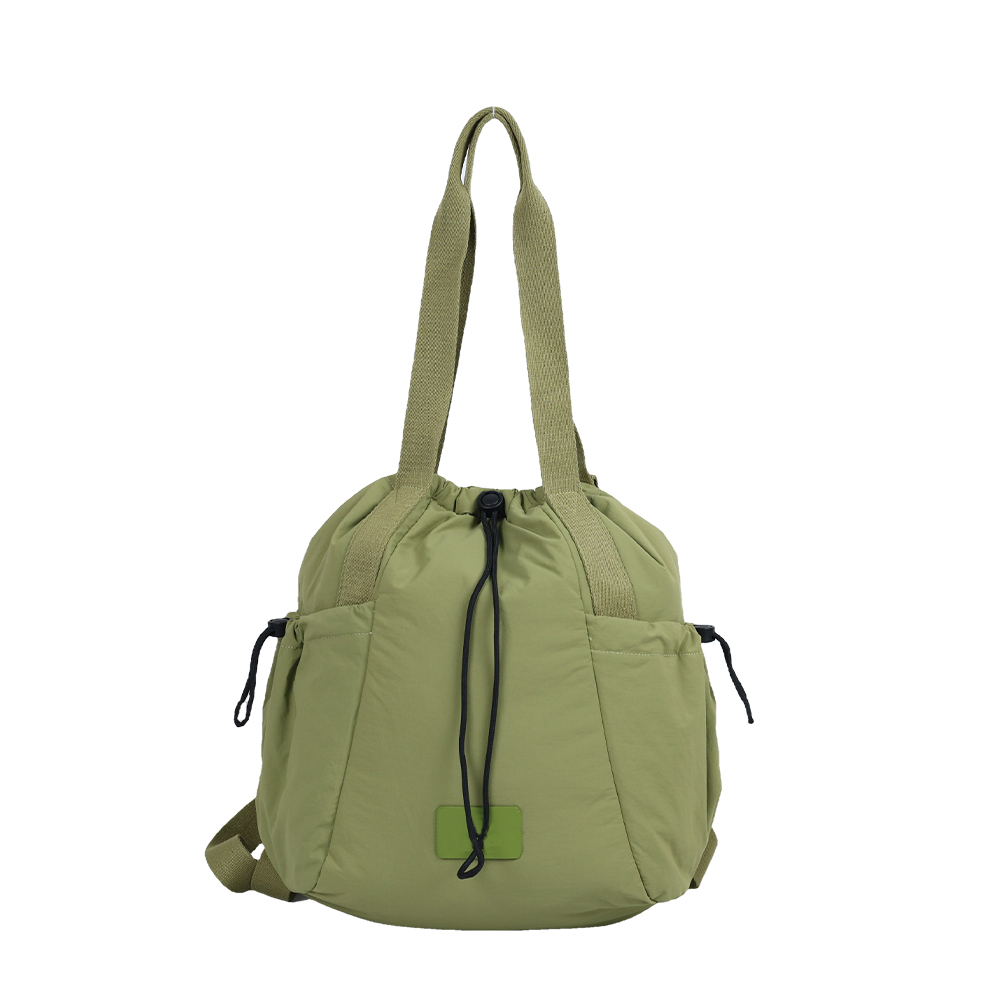
Production should translate user needs into repeatable reality: consistent fit, durable details, and repeatable lead times. When production aligns with those priorities, you protect your brand reputation and reduce returns. For many small brands, a manufacturing partner such as ChangRong becomes the capability extension that matches design intent with dependable production—and that match is what customers perceive as quality.