Premise and comparative logic
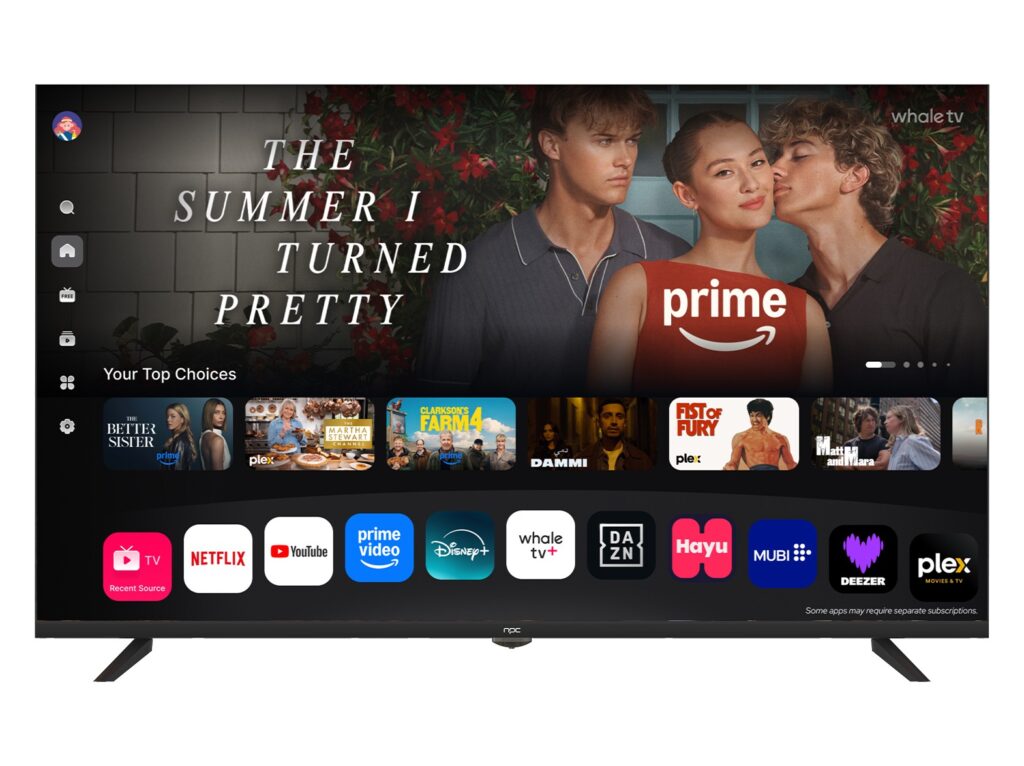
Choosing a television partner requires structured comparisons across measurable performance, manufacturing capability and long-term service. When you shortlist candidates, evaluate each tv manufacturer for panel technology, modular assembly, and compliance with interface standards rather than relying on logo recognition alone. At CES in Las Vegas I observed the same product claims repeated across booths—empirical verification matters—so prioritize vendors you can test under controlled conditions and review their product data sheets. For a focused starting set, consult listings of tv manufacturer options and cross-reference market-scoped catalogs of best television manufacturers to build an evidence-driven comparison.
Core technical dimensions to compare
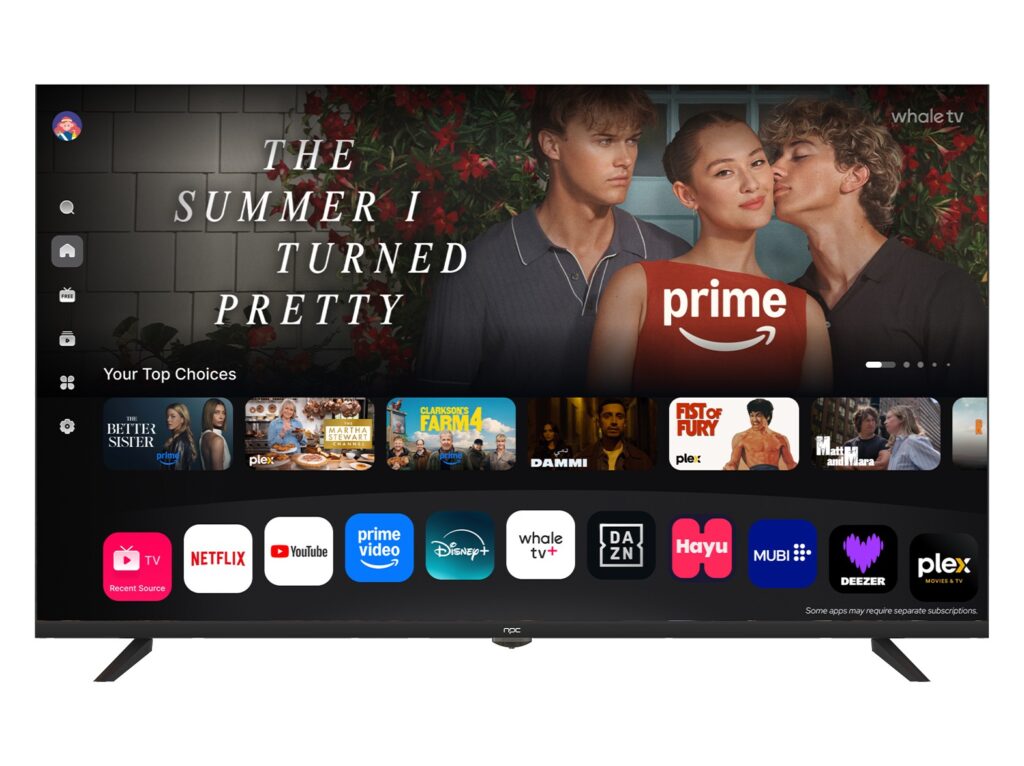
Compare along five quantifiable axes: display engine, brightness and contrast (peak nits, native contrast ratio, local dimming zones), color gamut and calibration (DCI-P3 coverage, Delta E after calibration), electronics and IO (HDMI 2.1 feature set, VRR, ALLM, eARC), and manufacturing repeatability (panel yield rate, component traceability). Request measurement reports showing test conditions (ambient illumination, test patterns) and insist on repeatable sample runs from each candidate. Use the same test patterns and instrumentation on each prototype to avoid apples-to-oranges results.
Panel technology trade-offs
For high-contrast living-room sets, compare OLED vs Mini-LED with objective metrics: OLED excels at infinite native contrast and uniform viewing angles; Mini-LED yields higher peak brightness and HDR highlights but requires careful local-dimming algorithm tuning to avoid halo artifacts. QLED (quantum-dot enhanced LCD) increases color volume at high luminance but depends on backlight uniformity. MicroLED promises both peak brightness and contrast but remains costly and is production-complex. Map these trade-offs to your product target: prioritize OLED for cinema-grade black levels, Mini-LED for HDR flagship models, and QLED for bright-room performance at scale.
Signal processing, firmware and standards
Image quality depends heavily on processing pipelines. Compare SoCs for supported bit-depth, HDR mapping (PQ vs HLG), and available codecs (AV1, HEVC). Verify hardware support for HDMI 2.1 features if you require 4K@120Hz or advanced gaming modes. Firmware update mechanisms and OTA security policies affect long-term usability; request documented update cycles and rollback procedures. Manufacturers that provide signed firmware images and a changelog reduce operational risk.
Manufacturing capability and supply-chain signals
Assess production scale by asking for monthly unit capacity, spare-parts lead times, and component sourcing maps. Request statistical process control (SPC) charts for key assembly steps and sample failure-mode-and-effects analyses (FMEA). A supplier with visible traceability for critical components (TCON, LED arrays, driver ICs) and documented quality audits mitigates recall risk. Also confirm warranty handling routes, regional service centers, and RMA turnaround targets.
Cost-performance balancing and benchmarking
Run benchmark matrices that weigh technical metrics against unit cost and return rate. For example, compute cost per effective nit for HDR targets or cost per local-dimming zone to quantify visual benefit vs expense. Where possible, perform A/B viewing sessions with blinded participants and objective skimage evaluation (PSNR, SSIM, color difference metrics) to separate perceptual impact from marketing claims. Use that data to set realistic price-performance tiers rather than chasing nominal specs alone.
Common procurement mistakes to avoid
Do not accept manufacturer spec sheets without test evidence. Do not assume brand reputation equals manufacturing consistency. Avoid selecting vendors solely on lowest FOB price; low initial cost often correlates with higher failure rates or firmware lock-in. Do not overlook service logistics—long RMA cycles and scarce spare parts inflate total cost of ownership. Finally, avoid one-off sampling; require pilot production runs to expose process variability.
Decision checklist and deployment considerations
Create a short checklist: (1) verified lab measurements and standardized test logs, (2) clear interface and HDR support matrix, (3) documented production capacity and SPC data, (4) firmware and update policy, (5) warranty and RMA SLAs. Use staged acceptance: initial prototype evaluation, a pilot batch of known size, then scale only after measured quality targets are met. For integration, define electrical and mechanical tolerances in contract appendices to prevent late-stage redesigns.
Summary synthesis
Compare manufacturers by measurable outputs and operational metrics, not by marketing narratives; quantify trade-offs between panel types, processing capabilities and production risk, then validate claims with standardized tests and pilot production. For sourcing that aligns engineering requirements with manufacturing transparency, consider suppliers whose technical reporting and pilot procedures match your acceptance criteria, such as those documented through industry profiles on npc.