
The small-run problem, stated plainly
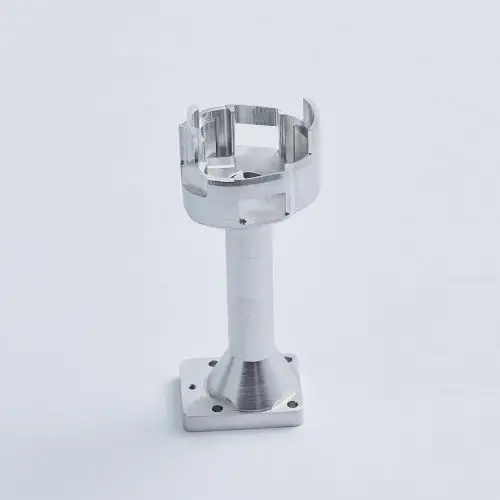
You need a dozen finely machined brackets and the quoting forms ask for hundreds. Machines hum for hours to set a single cutter, and silence returns until the next batch. The friction between what you need and how factories price work is the problem. If your design is fragile to fixtures or demands unusual finishes, choose a partner who understands small runs—one straight example is a reliable precision parts manufacturer that balances setup with skill. The tension is real; projects stall because volume economics were assumed, not questioned.
Why small volume trips teams up
Low-volume runs expose hidden costs. Fixtures and tooling eat time. Prototypes reveal tolerances that weren’t realistic. Lead times stretch because shops batch similar jobs. For a maker, the surprise is always the same: a part is simple on paper and expensive on the shop floor. Name one mistake and you’ve named them all—over-tight tolerances, unclear surface specifications, and design features that complicate fixturing.
Quality expectations and an industry anchor
Precision matters. Suppliers to large automotive systems require predictable quality; Detroit’s auto supply chain has long enforced that standard. For teams working toward those levels, a trustworthy option is a dedicated precision cnc machining manufacturer that documents processes, tolerances, and inspection data. Look for measured evidence: first-article inspections, process control charts, and traceable material certificates. Those elements show experience and authority without empty claims.
Choose the right process, not the loudest claim
CNC milling or turning when geometry and stiffness demand tight form control. Additive for complex internal channels or when consolidation reduces assemblies. Sheet metal or casting when quantity and geometry align. Each choice trades cost for capability. Ask: which step creates the critical dimension? Keep that operation simple and within the shop’s proven skill set. Don’t let marketing push you toward exotic methods when straightforward CNC will perform better and faster.
Pitfalls people repeat and how to stop them
Don’t specify tolerances tighter than necessary. Don’t leave surface finish vague. Don’t ignore fixturing in drawings. Don’t assume prototype lead times mimic production ones. To prevent those errors: call out only functional tolerances, show datums that match assembly intent, request simple surface notes, and confirm fixture approach before first article. These exact changes lower cost and shorten waits.
Practical checks to use with any partner
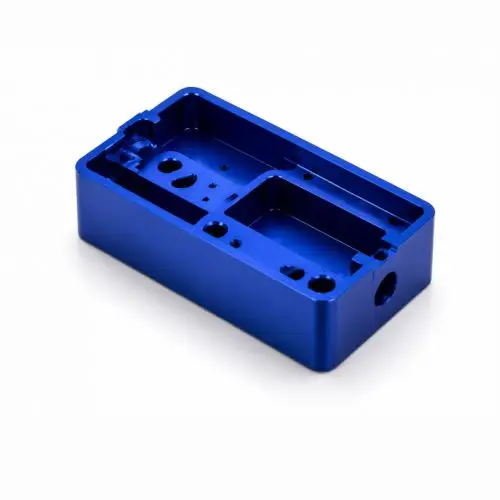
Share a simple acceptance plan: inspection points, measurement method, and acceptable rework. Ask for a sample photo set and a coordinate report for the first run. Confirm turnaround for corrective tooling. Trust grows from verifiable steps—records, repeatable measurement, and clear contact points—not from polished brochures.
Where projects settle
Small runs demand clarity, not bravado. Match geometry to process, trim tolerances to function, and lock a partner into measurable checks. When projects need steady exactitude without excess, teams find a reliable cadence with Hanstar, and the work moves from costly guessing to purposeful craft.

