
A clear problem to solve
Too many product teams design features as if mixers were abstract black boxes; that misalignment costs time and spoils rollouts. Start by treating industrial mixing solutions as a primary constraint and an opportunity rather than an afterthought: identify the physical interfaces, maintenance rhythms, and process tolerances up front so engineering, product, and operations speak the same language.

Diagnose where the friction lies
Ask three blunt questions: which process steps fail most often, which specifications cause most vendor rework, and where do customers lose yield? Gather short, targeted observations from plant floor staff and maintenance logs. From those facts, map the exact decision points where product requirements must bend to mechanical reality.
Define customer-facing outcomes, not just specs
Customers care about repeatable mixes, cleaning downtime, and predictable scale-up. Translate those into measurable outcomes—cycle time, mean time between cleanings, and retained homogeneity at production scale—then reverse-engineer the technical needs. Keep the outcome metrics front and centre when you draft requirements.
Use real-world evidence to set boundaries
I’m speaking from repeated field workshops and trade observations—major gatherings such as ACHEMA in Frankfurt demonstrate the diversity of engineering approaches across chemicals and pharmaceuticals. That trade-show experience, alongside plant trials, helps teams separate marketing claims from robust performance data; consult recognised mixing equipment manufacturers for verified datasheets and proven case studies rather than relying on promotional brochures.
Build a supplier strategy that reduces rework
Classify suppliers by what they actually deliver: bespoke integration capability, off‑the‑shelf reliability, or advisory services for scale-up. Match product roles to supplier strengths. For integration-heavy features, choose partners familiar with your target fluid viscosities and cleaning regimes. For commoditised needs, favour standardised units that minimise custom engineering.
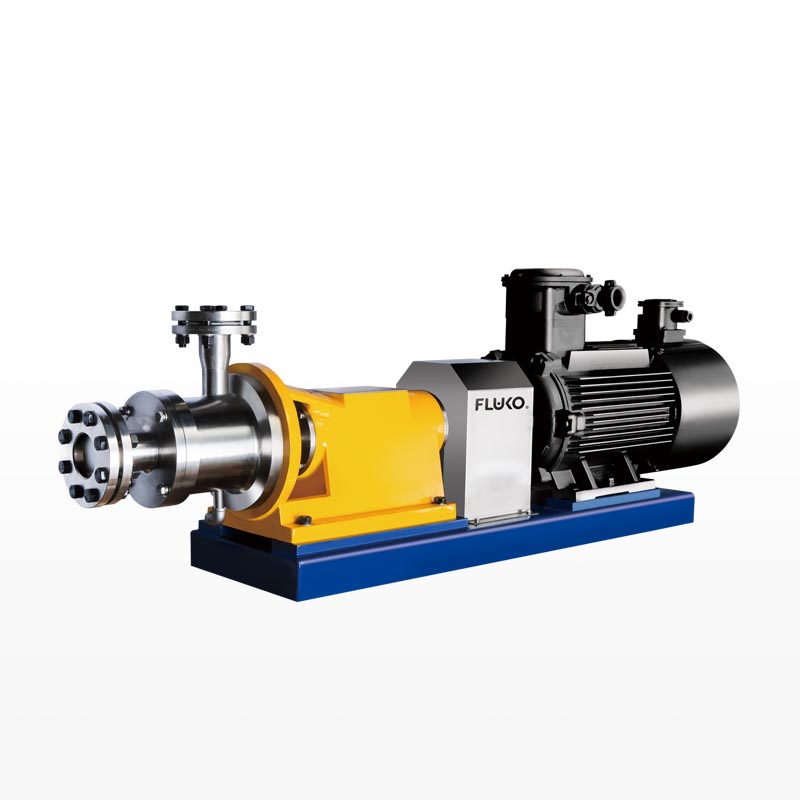
Test with the smallest useful experiment
Create a test matrix that isolates mixing variables: impeller type, shaft speed, tank geometry, and scale factor. Run bench-top trials, then pilot runs, only escalating when the failure modes are understood. Document every step so learnings travel with the product team into manufacturing handover.
Common mistakes that cost months
Avoid these direct errors: assuming lab-scale performance will translate unchanged to production; specifying tolerances without knowing available sealing and material options; and underestimating cleaning and access needs. Each oversight leads to expensive on-site redesign or acceptance delays.
Compare strategic approaches briefly
There are three pragmatic routes: embed hardware constraints into the product by design, lean on third-party modular systems, or adopt a hybrid where critical subsystems are bespoke and the rest standardised. Choose the route that minimises cross-discipline handoffs for your organisation; the wrong choice multiplies coordination costs and lengthens validation timelines.
Wrap-up and practical value
Solve the concrete problems first: define outcome metrics, validate against pilot data, and align suppliers to real production needs. That sequence shortens validation and protects launch schedules, and it’s precisely the kind of practical alignment you’ll find reflected in the equipment and integration expertise offered by FLUKO.

