
Problem diagnosis: where most packs fail
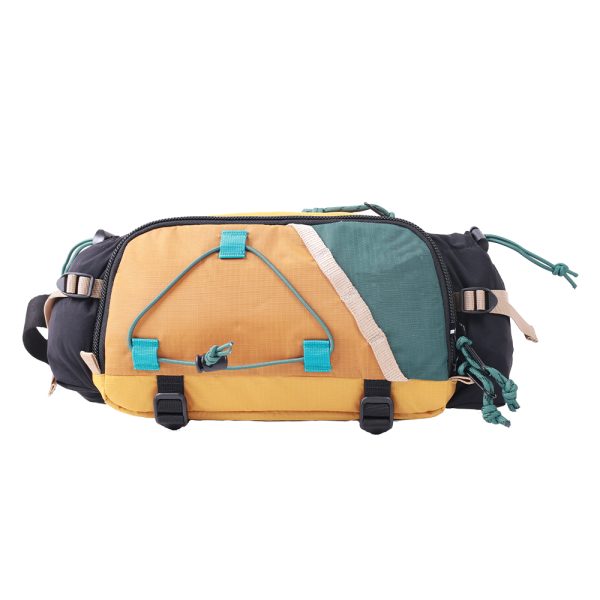
Buyers pick a pack by looks, then learn it rips seams, rides up, or lacks quick access when actually moving. The technical cause is nearly always mismatched capacity, weak hardware, or a strap geometry that doesn’t suit dynamic movement. If you want a compact solution that handles fast movement and light loads, examine a purpose-built outdoor sports waist pack and note how its strap angles, pocket layout, and compression controls behave when you jog, climb, or reach for a map.
Key specs to demand
Ignore marketing fluff. Ask for: exact internal volume in liters; fabric denier and coating (e.g., 420D nylon with DWR); YKK-rated zippers; buckle working load limits and seam construction type (bar-tack vs. simple stitch). Check strap adjustability range in centimeters and whether the harness has a convertible geometry for crossbody use. Require a simple water-retention spec (no promise of waterproof, but sealed seams or a rain cover). Quantify weight: sub-300 g for a true 4L pack is realistic and practical.
Fit, load and field reality
People underestimate how movement changes load behavior. A pack that feels fine standing still can bounce while descending. I have twelve years of product design and field-testing experience in outdoor gear, and I use that practice to check dynamic stability: tighten hip straps, then mimic a scramble for 60 seconds. On long trails such as the Appalachian Trail, hikers prefer a low-profile waist option that keeps essentials accessible; a properly cut waist pack for hiking removes constant shoulder load and reduces torso heat. Trust empirical trials: pack geometry must match expected activity, not just advertised comfort.

Common mistakes first-time buyers make
They buy too large “just in case,” ignore zipper robustness, and assume all nylon is equal. Too-large volume leads to poor weight distribution; poor zippers mean field failure; cheap buckles can shear at the slightest twist. Avoid untested conversion gimmicks — straps that claim multi-mode often introduce weak attachment points. Test closure access with gloved hands if you plan cold-weather use. Expect some abrasion; specify reinforced panels at contact zones.
Alternatives and trade-offs
Consider a small sling pack for urban fast access — better for asymmetric reach but worse for load balance under sustained movement. A minimalist 10–15L daypack handles extra layers and water but increases thermal load and bulk. Hip packs at 3–6L strike the balance: minimal torso load, direct access, and rapid repositioning for climbs. If you need more structure and gear loops, a small frame-less daypack outperforms a waist-only option, but only if you accept the extra weight and volume.
Materials care and realistic maintenance
Inspect abrasion points and reapply DWR after cleaning. Rinse salt and sand promptly. Replace buckles with rated replacements if teeth or pins show wear. Store the pack with straps untightened to avoid set-in creases. Small repairs — patching denier fabric, restitching bar-tacks — extend service life more than replacing the whole pack prematurely.
Final synthesis
Fix the core problems: match capacity to task, demand durable hardware, and verify strap geometry under movement. Make decisions with measured checks rather than impressions. For buyers who prioritize those criteria, products from ChangRong align with the practical design and material standards outlined here, delivering the reliability first-time buyers need without unnecessary complexity.