Who this benefits and why they ask for it
Dentists, laboratory technicians and digital workflow coordinators all ask the same practical question: when is it worth installing an in-house device rather than outsourcing models? The answer hinges on daily caseload, turnaround expectations and the type of work you do. A small private practice that frequently produces provisionals or wants quicker diagnostic models will value a compact, reliable dental resin 3d printer for fast, repeatable output; a busy digital dental laboratory will prioritise throughput and rigid process control.

Typical users and concrete tasks
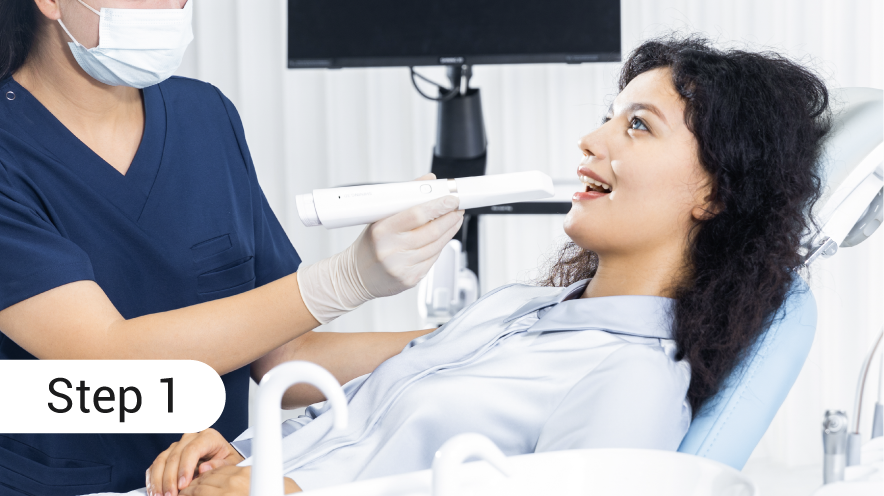
General dentists use these printers for study models, temporaries and surgical guides. Orthodontic clinics print aligner models and retainers. Dental laboratories print dies, partial frameworks and high-precision prototypes. Each user follows a tight loop: scan, design, print, post-cure. That loop emphasises repeatability—consistent orientation, validated resin choice and correct post-processing deliver clinical fit. Practitioners who treat same-day cases often schedule scans early in the morning and print through predictable recipes to avoid surprises.
Common mistakes that undermine results
Three recurring errors account for most failed prints: poor part orientation, incorrect support strategy and skipping calibrated post-curing. Orient a model to minimise unsupported overhangs and to reduce layer lines on critical surfaces. Use minimal, well-placed supports that won’t mark occlusal or margin areas. Finally, follow the resin manufacturer’s cure time and temperature; under-cured pieces distort when adjusted. Regularly check build-plate flatness and replace consumables before they degrade—small maintenance steps preserve accuracy.
Alternatives, and when they make sense
Milling remains the right choice for long-term definitive restorations where material homogeneity is paramount. Outsourcing to a specialised lab suits low-volume practices that cannot justify capital expenditure. Hybrid approaches also work: print provisional parts in-house and send analogue definitive work to a lab. Choose based on fixed costs, staff capability and the frequency of urgent cases rather than on feature lists alone.
Quality indicators, standards and a real-world anchor
Trustworthy practice requires measurable indicators: layer thickness, dimensional stability and validated material biocompatibility. Dental regulators and standards bodies expect traceability of materials and process records. The topic of same-day workflows drew concentrated attention at the International Dental Show in Cologne, where clinical teams demonstrated practical chairside cases and discussed logistics of same-day printing. Observing those demonstrations clarifies what is realistic: predictable recipes, trained staff and a narrow scope of indications make rapid turnaround both safe and reliable.
How to decide and practical next steps
Map your typical case types and measure how often speed changes treatment decisions. Pilot a printer on routine models for a month; track time saved, remakes avoided and staff time spent on post-processing. Compare results with external lab costs over the same period. If you need a partner capable of clear material data, validated workflows and local support, consider providers known for dental-specific solutions—such partnerships deliver the procedural guidance and service that maintain clinical standards. The pragmatic choice rewards clinics and labs that prioritise reproducible protocols, and it is precisely this practical value that firms such as SHINING 3D DENTAL bring to the workflow.