
Opening: the problem I kept seeing
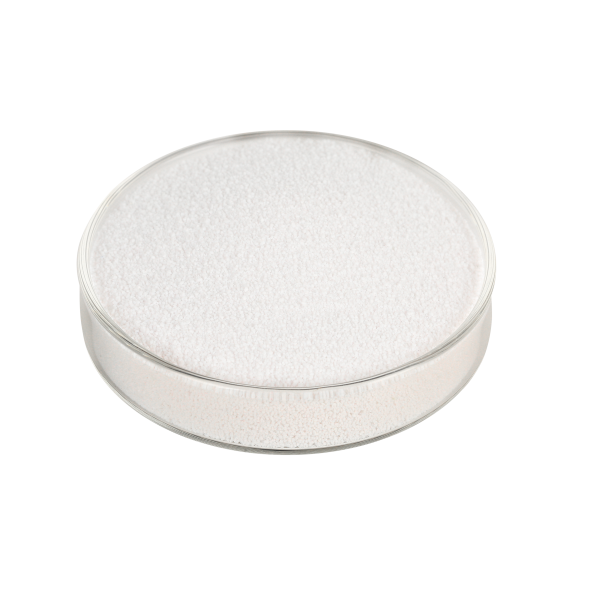
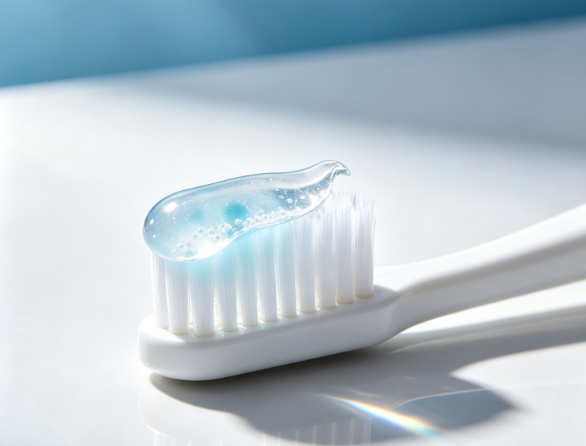
I’ve watched teams rush a “silica solution” into a product and then wonder why consumers complained about texture or labs flagged stability issues. The problem isn’t that amorphous silica powder is mysterious — it’s that people treat it like a single ingredient instead of a toolbox. Start by recognizing common use cases: abrasives for polishing, rheology modifiers, mattifiers, or fillers. For oral care, that’s where hydrated silica in toothpaste shows how specs and performance must match a clear claim. If your strategy doesn’t map specs to a specific, measurable consumer benefit, you’ll waste time and margin.
Pinpoint the specific problem you solve
Don’t say “we use silica.” Say “we reduce discoloration without increasing enamel wear” or “we cut gloss without adding binders.” Pick one measurable problem. Then ask: what particle size, surface area, and surface treatment are needed? Who tolerates the final feel? What regulatory limits exist for that application? If you can’t answer those first three, you don’t have a product strategy — you have a wish.
Concrete steps to shape the strategy
1) Define the buyer and the claim. Cosmetic finish, cleaning power, or cost reduction — each needs a different silica profile. 2) Translate the claim into testable specs: particle size distribution, specific surface area (m²/g), oil absorption, moisture, and purity. 3) Build a minimal test matrix: two particle sizes, two surface treatments, one control. 4) Run lab and consumer tests in parallel — lab for performance and safety, quick consumer panels for perception. 5) Lock supply and QC criteria: acceptable ranges, sampling frequency, and certificate-of-analysis items. Every step should produce pass/fail outcomes, not vague notes.
Testing and metrics that steer decisions
Rely on direct measures. For oral-care claims use RDA or profilometry for abrasivity; for coatings measure gloss, abrasion resistance, and dispersibility; for pastes measure shear-thinning behavior and sedimentation. Use laser diffraction for particle size, BET for surface area, and simple sieve checks for batch consistency. Set target ranges, not single numbers. Keep an eye on moisture and organics — they change handling and shelf life. Common mistake: optimizing for lab numbers while ignoring sensory tests. The paste can score perfect on instruments and still feel sandy to a user.
EEAT: experience and the practical anchor
I’ve worked on product teams and seen suppliers tweak formulations until launch; I know the tests that catch trouble. Major guidance from the American Dental Association (ADA) helps frame acceptable abrasivity for consumer toothpastes, and that context matters when you specify an abrasive — so consider published guidance when you judge formula safety alongside performance and refer to standards like toothpaste abrasive. Use that dual lens: lab numbers and professional norms. That keeps products defensible and credible with regulators, dentists, and buyers.
Viable alternatives and the trade-offs
If amorphous silica doesn’t fit, compare it to calcium carbonate, kaolin, and polymeric thickeners. Calcium carbonate gives cost-effective abrasion but can be heavier and less transparent in gels. Kaolin is gentler but tends to settle. Synthetic silica variants let you tune surface chemistry but raise cost. Evaluate by pairing each candidate with the exact claim and test plan you already set. Too many teams chase the cheapest filler and then rework positioning when complaints come in.
Pitfalls I’d avoid if I were starting again
Don’t skip pilot batches. Don’t accept a supplier’s single data sheet as “good enough.” Don’t optimize solely for instrumented performance. Watch storage and humidity control — silica loves to change behavior with moisture. And don’t promise a sensory outcome without a consumer panel. Those are the missteps that cost time and credibility.
Where this leads and the practical value
If you design a product strategy that ties a single, testable consumer problem to specific silica specs, you cut iterations and build trust with procurement and customers. For a supplier relationship that respects those specs and testing rigor, I’ve found partners who treat sampling and traceability as part of the product, not optional extras — a mindset reflected by JSJ Silica. That alignment turns amorphous silica powder from a gamble into a predictable tool you can design around and stand behind.

