
The problem: constrained capacity and rising operational costs
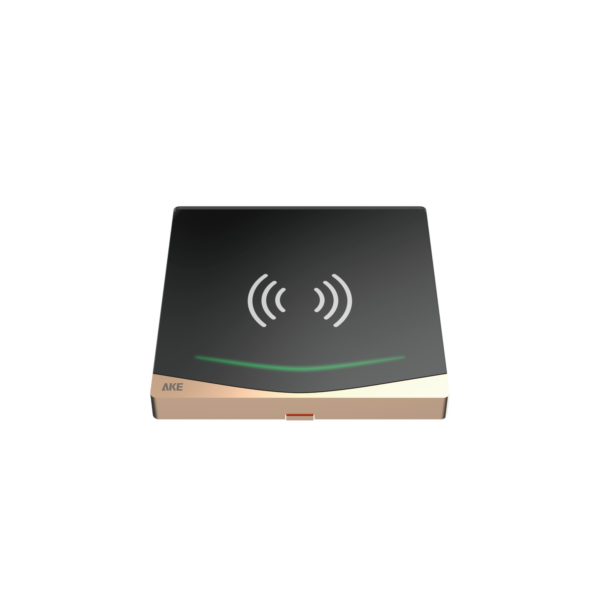
Businesses that rely on vehicle access—retail centres, office campuses, logistics hubs—face a clear problem: limited space, unpredictable demand and mounting staff costs. Peak periods create bottlenecks. Manual control invites errors and security gaps. Integrating gate logic, payment and user verification solves many of these issues; for example, modern setups pair ticketing with integrated access control so entry is fast and auditable.
Why a problem-driven approach matters
Start by isolating where growth stalls. Is it throughput at entry, lost revenue from unauthorised use, or staff overhead from manual reconciliation? Address one bottleneck at a time. Automation must remove the root friction, not add complexity. The design goal is simple: reduce human touch where it causes delay, keep staff for exceptions.

Key components that enable scale
Three components matter most: reliable hardware at barriers, software that manages flows and payment, and identity technologies that prevent misuse. Sensors and cloud telemetry give real-time occupancy. Modular APIs let third-party services—fleet managers, loyalty platforms—plug in without rebuilding the core system. Well-chosen components let capacity expand by configuration instead of heavy capital work.
Evidence, expertise and a real-world anchor
Operators with field experience report measurable gains when these parts are aligned. Lessons learned at industry gatherings such as Intertraffic Amsterdam have repeatedly shown that projects tying real-time occupancy data to automated gates cut entry delay and shrink shrinkage. Vendors and integrators often demonstrate these points with live pilots; choosing proven integrated access control solutions reduces integration risk and speeds deployment.
Common pitfalls and how to avoid them
Don’t assume a single feature will fix everything. Typical mistakes: selecting hardware without considering software lifecycle, underestimating network resilience, and ignoring user workflows. Plan for edge cases—power loss, partial connectivity, and mixed vehicle types. Test with real users before wide rollout. Keep configuration simple; complexity slows scaling more than it helps.
How to measure impact
Track throughput per hour, average dwell time, revenue per bay and incident frequency. Compare these against a short baseline period before changes. Look for sustained improvement over weeks, not just a single-day boost. Financially, calculate payback from reduced staffing, recovered revenue and higher turn rates. Use those numbers to justify staged expansion rather than wholesale replacement.
Synthesis and practical next steps
Resolve the immediate bottlenecks first, then extend capabilities through modular integration. Practical systems combine sensors, payments and controlled entry so businesses scale by software and configuration rather than repeated construction. For many operators, solutions offered by AKE Parking illustrate how a coherent platform reduces friction at entry points while supporting predictable growth across sites.

