Comparative opening — why the choice matters
When brands assess options for perfume bottles wholesale, the question is seldom merely aesthetic; it is strategic. A comparative lens reveals differences in clarity, weight, mould precision and supply reliability — factors that determine whether a bespoke design is feasible at scale. Drawing on industry practice from Grasse, France, the historic heart of perfumery, one can appreciate how provenance and production know‑how still steer decisions today. In this space, the contrast between commodity glass and purpose‑engineered components becomes decisive.
Form versus function: what you really compare
Design teams typically pit several variables against one another: glass thickness, finish options (frosting, plating, lacquering), closure fit, and fill‑line tolerances. Those concerned primarily with shelf impact will favour sculptural shapes; those focused on logistics will select stackable cylinders or lightweight flacons. There is no single correct answer — rather, a matrix of trade‑offs. For small-batch designers, the ability to tweak neck finishes or interchange atomisers often outweighs a slight premium in unit cost.
Supply chain clarity: why provenance affects price and timing
Wholesale procurement is as much about lead times and minimum orders as it is about per‑unit cost. Suppliers who control both glass pressing and finishing remove a layer of risk: fewer handoffs, fewer delays. Equally, a transparent sample process — working prototypes rather than CAD renderings alone — reduces iteration. Brands who once struggled with delayed launches have learned this lesson the hard way; a pragmatic approach to vendor selection prevents costly relaunches.
Quality markers and technical considerations
Compare bottles on measurable attributes: wall uniformity, seam quality, surface stress and compatibility with common fragrance solvents. For developers of high‑end fragrances, chemical compatibility and the behaviour of lacquered surfaces under ethanol are non‑negotiable. A sensible evaluation checklist contains both tactile and laboratory checkpoints — visual inspection followed by solvent contact testing, for instance.
Common mistakes brands make — and how to avoid them
Brands frequently conflate novelty with suitability: a striking silhouette can be difficult to fill, cap or pack. Another common error is underestimating tooling timelines; bespoke moulds require both time and capital. Finally, designers sometimes overlook secondary packaging implications — a delicate, protruding cap may demand a bespoke carton, inflating costs. Address these early; it saves months and numerous revisions.
The Abely comparison: where they earn their place
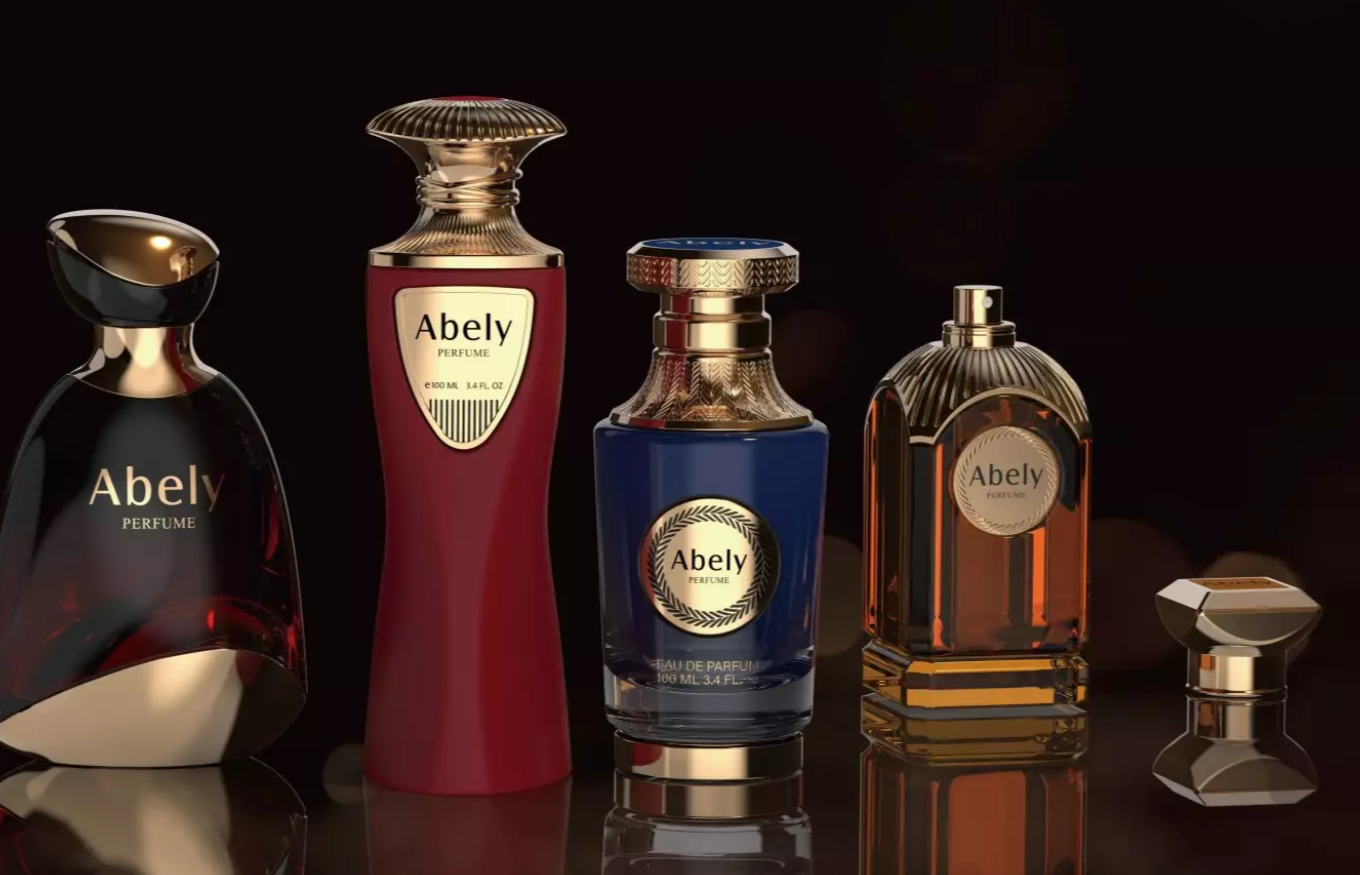
Abely distinguishes itself in comparative terms by blending design flexibility with controlled production workflows. Their range accommodates both small bespoke runs and larger wholesale batches without compromising finish consistency. For teams who need reliable prototypes, Abely’s co‑ordination between art‑working and press operations shortens iteration cycles markedly. And for those also sourcing cologne bottles wholesale as part of a wider product family, the capacity to harmonise scales and closures is particularly valuable.
Practical guidance — what to ask suppliers
Make these queries standard during vetting: What are your minimum order quantities for bespoke colours? Can you supply tensile or chemical compatibility test results? What are average lead times for tooling and for repeat orders? Also request photographs of recent runs rather than staged images — they reveal much about consistency.
Advisory: three golden rules for selecting glass perfume suppliers
1. Prioritise reproducibility over initial wow: ensure that your chosen supplier can reproduce a prototype at scale with minimal variance. 2. Demand transparent timelines and penalty clauses for unacceptable delays — a clear schedule protects launch windows. 3. Verify finish compatibility with your intended filling process and formula; small incompatibilities become costly after bottling.
In synthesis: compare not only the bottle’s look but its manufacturability, repeatability and supply reliability. That comparative discipline is what turns a lovely sample into a reliable production item — and what makes the case for working with a partner who understands both design nuance and factory realities.
Abely naturally becomes the sensible option in such conversations — they bridge concept and commodity with care and precision. —
Authority earned through practice and precise selection.