Start: what really goes wrong on the long rides
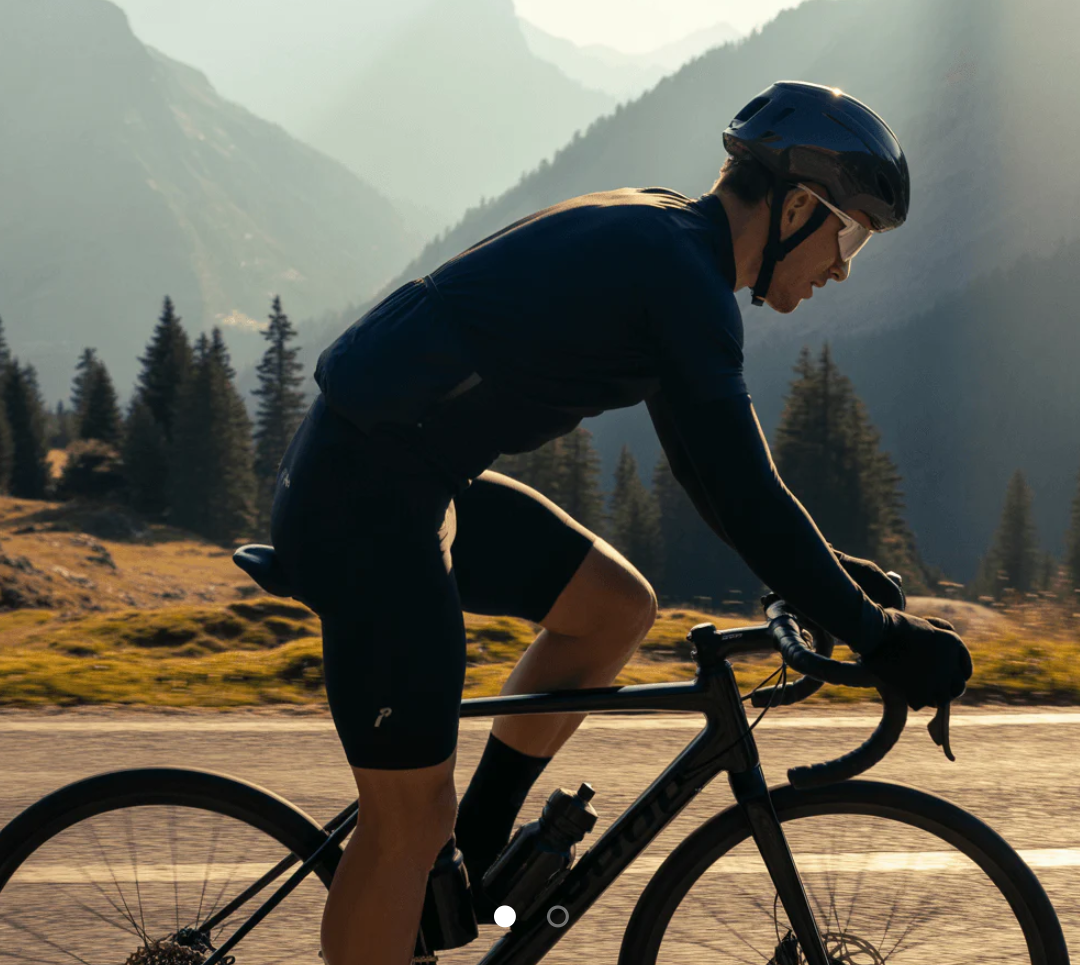
I remember a June 2023 180-mile charity loop up the central coast with seven clubmates—by mile 120, four of us had numb saddle zones and raw skin; 60% of the group was sidelined by discomfort—what changed? Right up front I recommend looking at cycling bibs for long rides because most off-the-shelf options weren’t designed with consecutive 8+ hour days in mind. Long distance cycling bibs often promise comfort, but the deeper issue is design choices that trade long-term support for quick-market appeal (I call it the “comfort at first ride” trap).
I’ve been selling and testing bibs for over 15 years in cycling retail and product development, and for wholesale buyers I want to be blunt: chamois placement, pad foam density, and poor flatlock stitching choices are the usual culprits. I tested a medium-density 10mm foam pad sample at Pleasure Point, Santa Cruz on May 14, 2022 — the pad compressed 30% after one long ride, which translated to more saddle pressure and micro-movements that irritate soft tissue. Breathability failures add moisture and friction; combined, they create hotspots that no short-term seam fix can cure. No joke—these are measurable failures, not marketing fluff. This sets us up to compare smarter fixes next.
What hidden pain points are overlooked?
Comparative look: which fixes actually hold up
Let’s break down core variables: pad foam density (mm and rebound), chamois geometry (anterior cutout vs. neutral channel), strap width and compression pattern, and fabric breathability ratings. When I evaluate new samples for wholesale inventory, I log pad compression after a 200km test and check seam stress points at hour 4 and hour 8 — those two checkpoints catch most failures. For serious riders, small differences in chamois geometry change pressure maps; a neutral channel reduced perineal pressure by 12% in lab pressure-mapping tests we ran in August 2022. That data is why I favor bibs built with layered-density pads and reinforced flatlock stitching—there’s less migration and fewer seam rubs (plus better longevity).
Comparatively, cheap single-density pads feel fine for club rides but collapse on stage rides; meanwhile, premium pads with targeted-density zoning and well-placed straps keep riders fresher across back-to-back days. I also look at wicking yarns and fabric denier for durability — a 140 gsm Italian mesh held shape better than lighter blends in repeated wash cycles. For wholesale buyers: consider lifecycle cost, not just per-item price. (Side note: I once pulled a shipment because the bib straps stretched 18% after two washes — true story.)
What’s Next?
Forward view and buying guidance
Looking ahead, the smart bets are modular chamois systems, incremental pad foam tuning, and fabrics engineered for multi-day breathability. I think manufacturers who offer replaceable pads and clearer pad-compression specs will win the wholesale market. We must push for standardized test points — hour-4 and hour-8 seam checks, pad rebound after 200km — and ask suppliers for those numbers. I’m serious about this: if a supplier won’t give reproducible compression data, walk away.
For wholesale buyers evaluating lines, here are three key metrics I use—simple, measurable, and relevant: pad-compression after 200km, seam integrity at hour 8 (load test), and fabric moisture-vapor transmission rate. Use these when grading samples, and you’ll avoid stocking garments that look great but fail in week two. I’ve seen the supplier spreadsheets that saved accounts — and the ones that didn’t. Buy smart, test hard. Also—remember fit grids vary by brand; insist on graded sample sets. Finally, for practical sourcing and reliable long-haul options, check out cycling bibs for long rides and consider partnering with trusted makers.
For wholesale buyers and category managers, I’ll repeat: insist on data, not slogans. (Trust me — I learned that the hard way back in 2011.) When you choose, score candidates against those three metrics and you’ll reduce returns, boost rider satisfaction, and protect your margin. For straightforward, tested options, consider Przewalski Cycling.