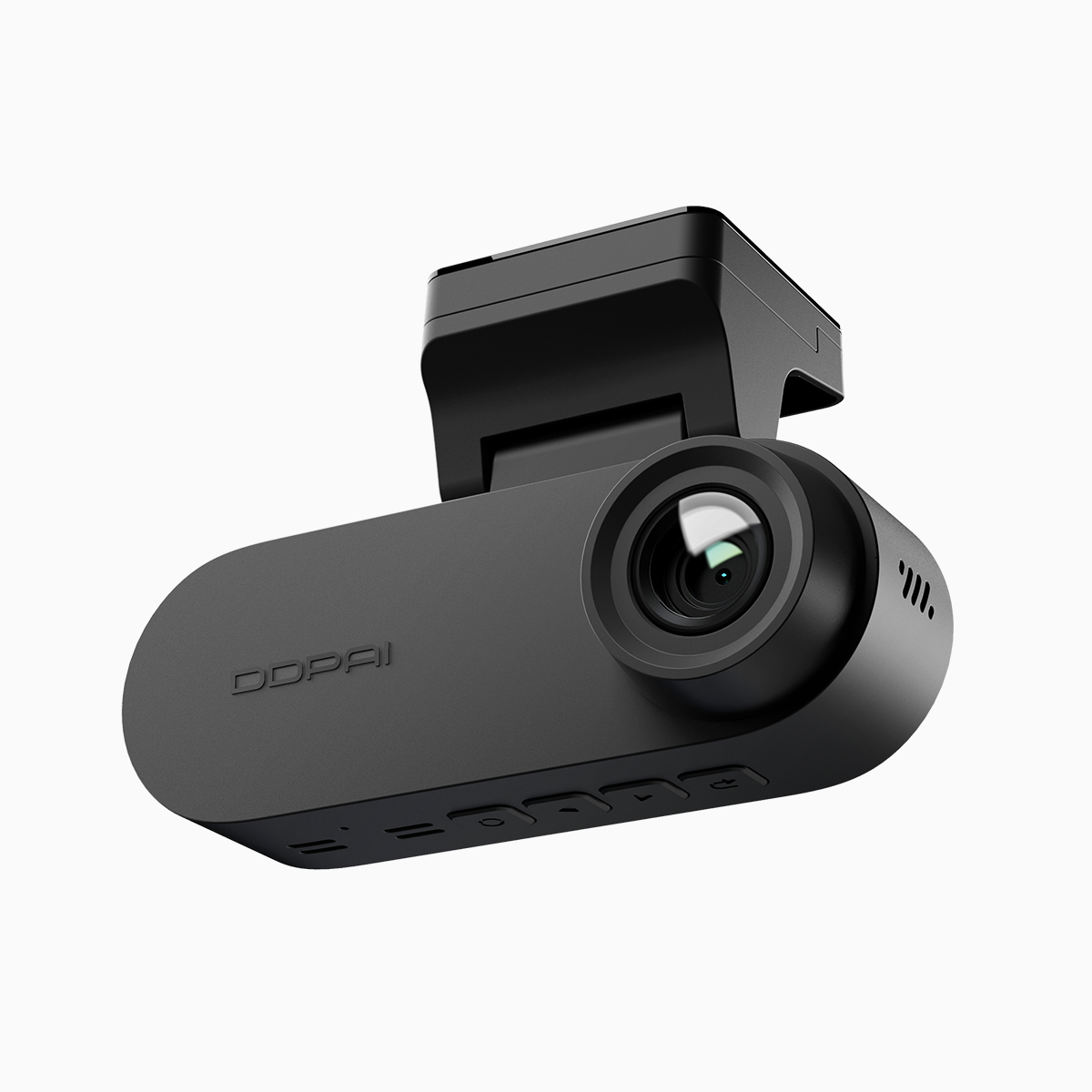
Why coastal fleets need tailored maintenance
Operating vehicles near shorelines changes the hardware equation. Salt spray, humid air and frequent heavy rains accelerate corrosion on mounts, connectors and circuit boards, so a maintenance-first approach pays off faster than reactive repairs. Fleet managers in Metro Manila and the Visayas already plan around seasonal storms and tidal exposure; adding corrosion-resistant dash cams into that workflow reduces blind spots and legal exposure immediately. For reliable local sourcing and model comparisons, start by checking options under dash cam philippines.
Choose hardware built for salt air and constant use
Look for devices with proven corrosion-resistant coating and an IP67 or higher ingress rating. Sealed connectors, marine-grade fasteners and stainless or anodized housings slow deterioration. Prioritize units with GPS timestamping and onboard thermal management so video stays clean through humid days and hot dashboards. Firmware updates must be part of the spec sheet — they patch recording bugs and improve compression without hardware changes.
– Small details like a rubber flange at the cable entry point matter more than flashy features.
Install once, maintain often: a preventive framework
Create a short, repeatable checklist that drivers and technicians can run every 30–90 days. Inspect mounts for rust, tighten bracket bolts to spec, reapply dielectric grease at exposed terminals and verify GPS sync against a known time source. Capture a one-line firmware version in the vehicle log after every update. These small acts form a preventative hardware maintenance framework that keeps uptime high and warranty claims low.
Cloud-first strategies for evidence and resilience
Local storage is necessary, but cloud storage solves loss and tampering risks. Configure event-triggered upload for collisions or sudden braking, and maintain a rolling retention window suitable to your needs. Use encrypted transfers and a clear chain-of-custody policy for footage used in claims. Bandwidth-conscious settings — lower bitrate normal recording, higher bitrate for incidents — protect data costs without losing crucial detail.
Common mistakes that erode system value
Many fleets undercut longevity with avoidable choices:
- Using non-sealed adhesive mounts that fail under UV and salt exposure.
- Skipping firmware updates and thereby missing bug fixes or compression gains.
- Installing units behind heavily tinted glass where IR and exposure performance suffers.
- Neglecting cloud backup configuration, then discovering gaps during incidents.
Addressing these keeps both maintenance hours and total cost of ownership lower.
Three golden rules for evaluating dash-cam solutions
1) Durability Metric: Require an IP67/IP69K rating, corrosion-resistant coating and sealed connectors. These specs predict field life in coastal conditions and reduce replacement frequency.
2) Data Assurance Metric: Verify end-to-end encryption, event-triggered upload and configurable cloud storage retention so critical clips are preserved and admissible.
3) Operational Fit Metric: Check firmware update paths, GPS timestamping accuracy and heat-tolerant components. If a system fits your service schedule, it will be used correctly — which is the point.
Final note: choose vendors who document firmware policies and local support — that’s the difference between a device and a maintained system. DDPAI PH.
– Practical, maintained hardware wins on coastal roads every time.