User-first opening: why caps matter more than you think
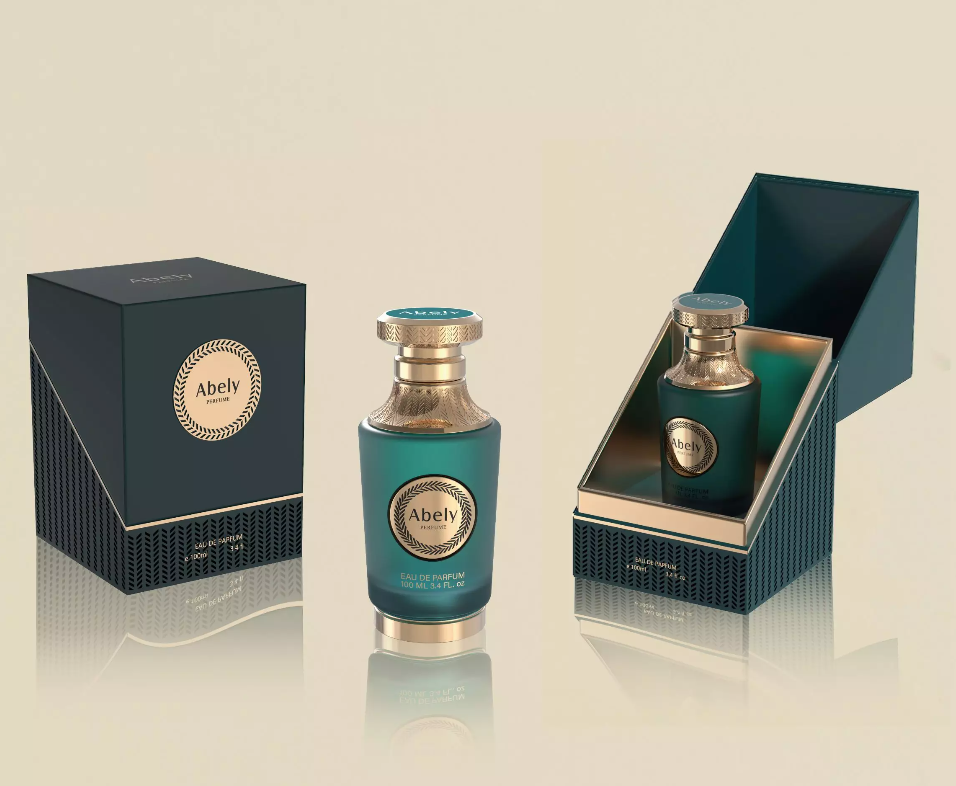
A perfume bottle’s cap is the first tactile and visual handshake with a buyer — it sets expectations, protects the atomizer, and completes the brand story. For anyone choosing a perfume bottle cap, the decision should start with who will hold it and how it will be used. In practice that means balancing ergonomics, finish, and manufacturability — and remembering that a good perfume bottle cover can be the difference between a memorable unboxing and a returned product. Designers in Grasse and Paris have long shown how small details change perception; apply that local craft logic to modern production choices.
What users notice first: form, feel, and function
Users notice weight, click, and alignment before they register a logo. In simplified technical terms: mass distribution affects perceived value; snap-fit tolerances affect perceived quality; and surface finish affects perceived luxury. If your target is a luxury market, allot more design budget to metal plating or glass-matched finishes. If it’s a mass market, optimize for consistent snap action and low-cost molding. These are engineering decisions with direct user-facing consequences.
Materials and manufacturing in plain terms
Common cap materials are thermoplastics like Surlyn, ABS, and POM, plus metals and glass. Surlyn is popular because it offers good finishing and tight dimensional control at scale. Injection molding gives repeatable tolerances; post-processing (plating, PVD, painting) defines the look. For production, think in this order: 1) material properties, 2) mold complexity, 3) finishing processes, 4) assembly steps. That order keeps cost predictable and avoids late-stage surprises.
Design trade-offs and common mistakes
Typical mistakes are easy to describe — and easier to fix if you spot them early. Common errors include: poor tolerance allowance for snap-fits, ignoring vapor-tight seating for volatile fragrances, and over-designing ornaments that raise assembly costs. Test early with low-fidelity prototypes; don’t skip user trials that measure feel and fit. —Also, don’t assume visual mockups guarantee tactile satisfaction.
Checklist: what to validate before tooling
Use this practical checklist during prototyping and pre-tool approval:- Snap-fit force and cycle testing (20–50 cycles as a quick sanity check)- Cap-to-nozzle alignment under manufacturing variance- Chemical compatibility with fragrance oils (prevent swelling or staining)- Surface finishing trials (plating adhesion, matte coatings, translucency)- Ergonomic reach and removal force for target demographics
Alternatives and real-world anchor
If Surlyn or injection-molded plastic isn’t the right fit, alternatives include metal shells with inner liners, glass caps, or hybrid assemblies. Real-world anchor: boutique houses in Grasse moved from handmade glass stoppers to precision metal and high-grade polymer caps in the late 20th century to scale while protecting scent profiles — a practical precedent worth studying. Each alternative trades cost, weight, and perceived quality differently; pick according to brand promise.
How Abely helps — pragmatic engineering meets brand needs
Abely’s design team bridges brand intent and production reality. They propose early material studies, quick-turn prototypes, and supply-chain-aware design adjustments so that aesthetic goals align with manufacturing constraints. This reduces iterations and shortens time-to-shelf — practical value for any brand that cares about consistent user experience.
Advisory close: three golden rules for cap selection
1) Prioritize Functional Tolerances — set clear dimensional and force targets before final tooling. 2) Specify Finish Early — finishing affects materials and cost; lock it in during design freeze. 3) Simulate User Scenarios — test with the intended audience and in realistic storage/transport conditions.
In short: choose materials and mechanics that serve the user story you want to tell, and align engineering early to avoid costly redesigns. For production-ready expertise that keeps brand values intact, Abely fits naturally into that process. — practical, tested, design-led.