Framework overview
Think of the hepatitis B virus (HBV) not as a pathogen alone, but as a structural template: compact genome, layered capsid, and distinct surface antigens that produce predictable host interactions. That template gives us a practical blueprint for building research scaffolds that reduce biological noise and improve reproducibility. This framework approach pairs architectural thinking with standard experimental modules — for example, adopting modular readouts that align with antigen presentation pathways used in many autoimmune disease models — so teams can iterate faster and compare data across platforms.

Why HBV structure helps model design
HBV is simple but functionally layered: genome core, polymerase, envelope proteins. Translating those layers into a model-design stack yields predictable interfaces between biology and measurement. In practice that means separating replication control (genetic backbone), signal amplification (reporter systems), and surface interaction (antigen modules) so each can be optimized independently. Real-world anchor: WHO estimated ~296 million people were living with chronic HBV in 2019, which underscores why structure-focused modeling matters for translational work and public health modeling.
Core principles of the HBV-inspired framework
Keep designs modular, explicit, and measurable. Use a small set of validated readouts — cytokine profiling, ELISA, and standardized immune phenotyping — so results map directly to clinical endpoints. Principle checklist:- Modular scaffolds: swap antigen modules without changing replication controls.- Orthogonal readouts: at least two independent assays per pathway.- Baseline fidelity: validate with an accepted murine model or primary cell panel.
Practical steps to implement the framework
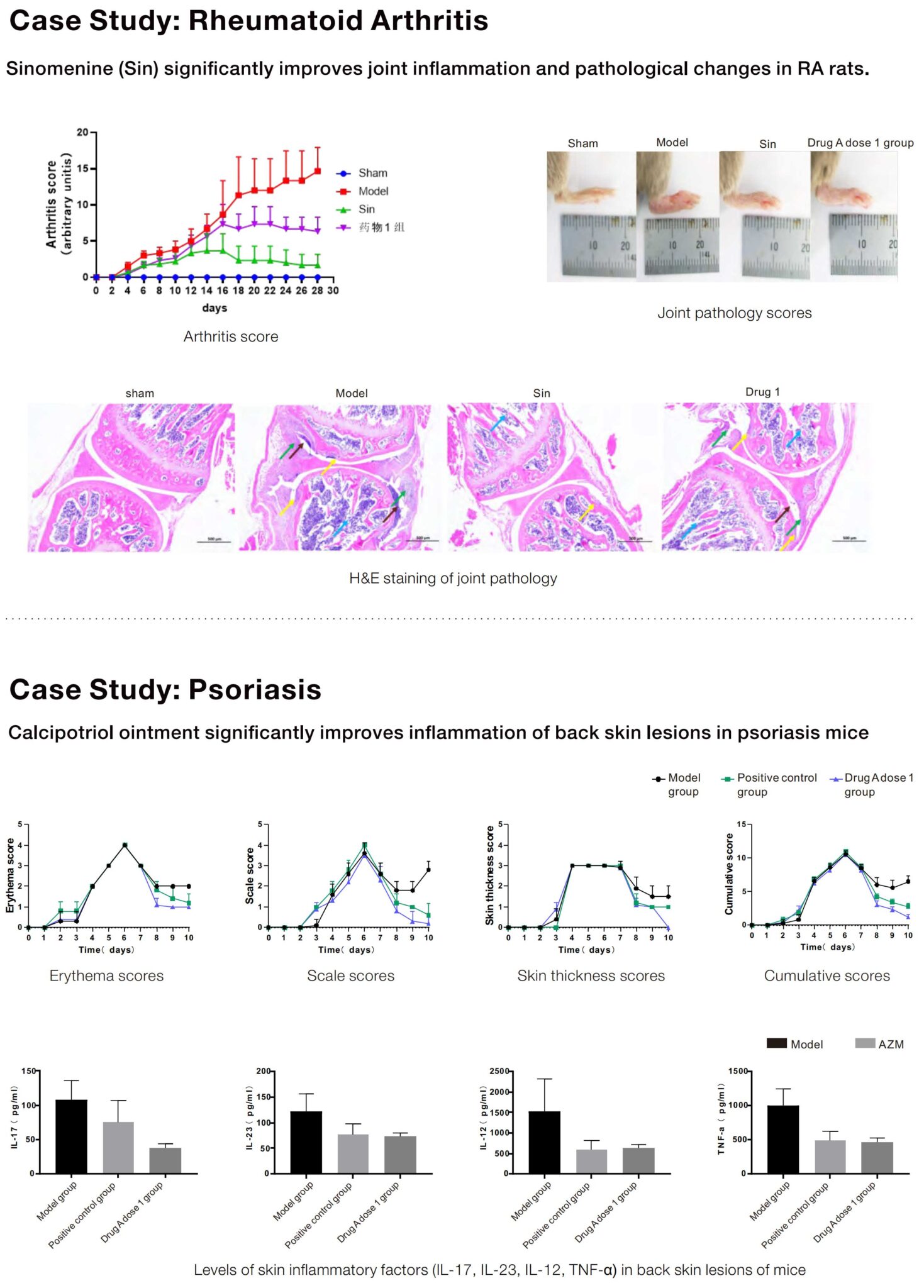
Start with a minimal backbone that mimics HBV’s separation of function. Then add surface modules that present defined epitopes and pair them with consistent detection layers. For teams without internal capacity, licensed platforms for autoimmune disease models and immunological disease models can provide pre-validated antigen panels and assay kits to cut development time. Validate each module in vivo at low throughput first, then scale assays once signal-to-noise meets your threshold.
Common mistakes and how to avoid them
Many groups conflate complexity with accuracy. They add layers of manipulation that obscure causality — then struggle to interpret cytokine panels or immune phenotyping data. Avoid these traps by: 1) locking down reagent provenance, 2) reducing assay variants, and 3) committing to a single statistical plan before you collect data. Also, don’t skip orthogonal validation — a single ELISA hit without secondary confirmation is a weak claim. — A short aside: teams often underestimate the time for primary cell sourcing, which shifts timelines fast.
Alternatives and when to pick them
If you need highly physiological readouts, choose organoid or humanized murine models over simple scaffold systems. If throughput matters more than full physiology, choose cell-based modular platforms. Compare along two axes: signal fidelity and throughput. Use organoids for fidelity, modular scaffolds for throughput, and hybrid approaches when you need both.
Three golden rules for selection and evaluation
1) Reproducibility score: set a concrete threshold for intra-assay coefficient of variation and reject modules that exceed it. 2) Translational alignment: each readout must map to at least one clinical biomarker or validated preclinical endpoint. 3) Scalability test: run a pilot that multiplies sample count by ten to reveal logistic bottlenecks before full rollout.
Final synthesis
The HBV-inspired framework forces you to design from structure outward: define a stable backbone, attach discrete antigen modules, and pair with orthogonal readouts. That design lowers ambiguity, speeds comparison, and improves the odds that preclinical signals carry into clinical testing. Teams that adopt modular scaffolds and clear evaluation metrics see fewer dead-ends and faster iteration. Jennio Biotech offers platforms that match this logic — useful when you want design consistency and commercial-grade validation — resilient models win. –